
Discover essential Australian business statistics that you should know to stay informed with the latest data and trends to help your business thrive.

In Australia, kangaroos might outnumber people, but the business stats are anything but sparse.
Australia isn't just famous for its stunning beaches and unique wildlife - it's also a vibrant hub of economic activity.
So, let's jump into 26 Australia's business statistics that will uncover everything you need to know, from the most popular business structures to emerging trends!
1. Dominance of Small Businesses:
97.3% of all Australian businesses are classified as small businesses, defined as those with fewer than 20 employees. This translates to 2,520,419 small businesses out of a total of 2,589,873 businesses in June 2023.
2. Number of People Employed:
In June 2019, Australian businesses employed about 11.9 million people.
Despite global economic challenges, they can still employ many people, proving their resilience and ability to adapt.
3. Employment Distribution:
The majority of these small businesses are self-employed or non-employing (61%). Additionally, 27% of businesses employ 1-4 people, and 9% employ 5-19 people. Only 2.5% are medium-sized (20-199 employees), and a mere 0.2% are large businesses (200+ employees).
3. Turnover Insights:
When examining turnover, 98% of Australian businesses have an annual turnover of $10 million or less. The breakdown is as follows:
4. Economic Contributions:
Small businesses are a crucial component of the Australian economy, contributing significantly to employment and economic output. Their resilience and adaptability have been pivotal in navigating economic fluctuations.
5. Trends and Growth:
The overall number of businesses increased in the 2022-23 financial year across all sizes, except for small businesses with 1-4 employees, which saw a decrease of 3.3%.
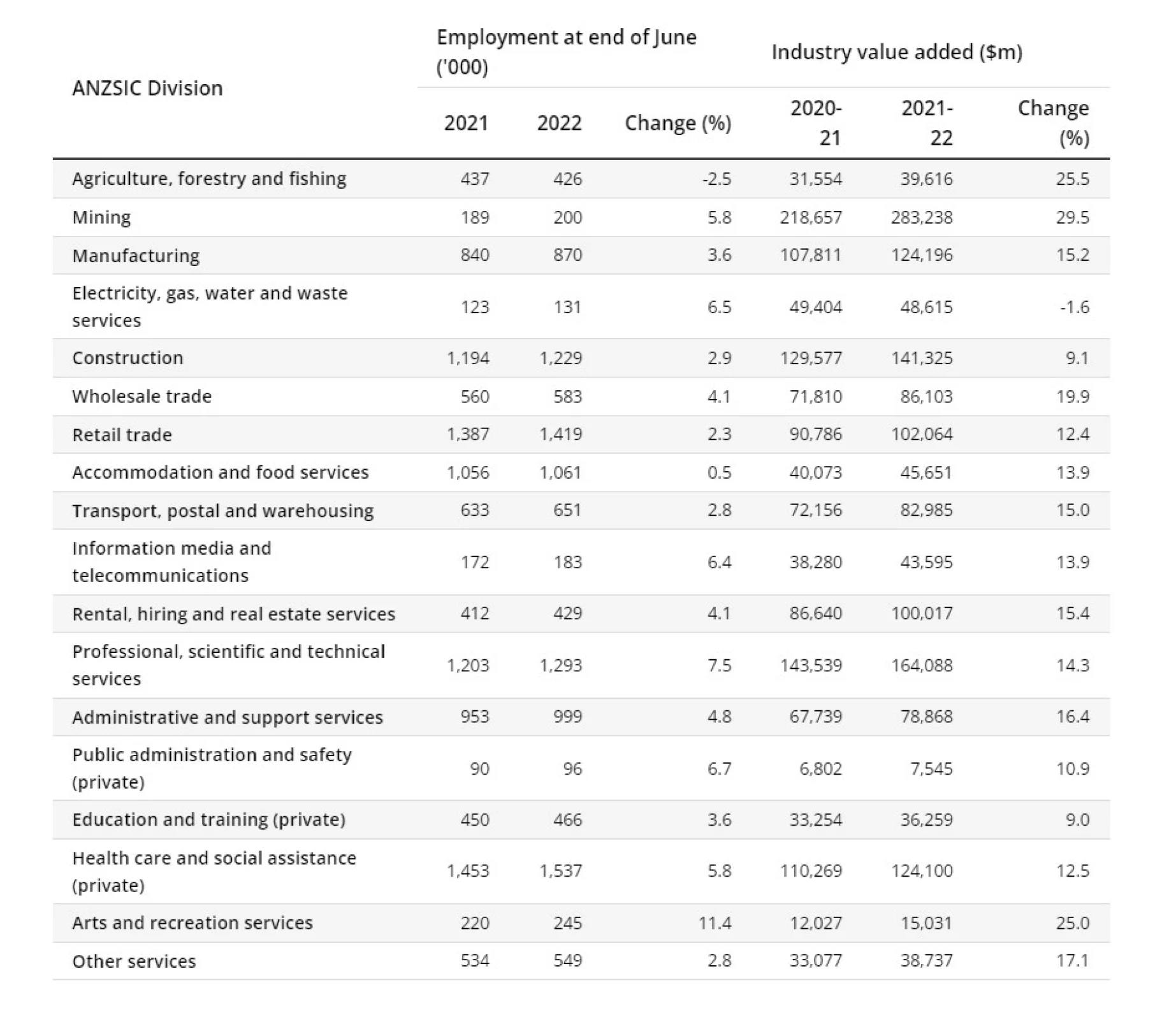
According to the Australian Bureau of Statistics, here are some key numbers from the 2021-22 financial year. The next update will be released by the end of this month, and if you’re looking for something in particular, check out the website.
6. Key Industry Highlights:
7. Employment Trends
8. Business Performance by Size
9. State and Territory Highlights
10. Overview of Business Changes
In the financial year 2022-23, the Australian business landscape saw notable shifts across various industries:
Construction Industry:
Growth Sectors:
Declining Sectors:
11. Employment by Industry
The largest industries by number of employees continue to be:
These two sectors collectively account for nearly 24% of Australia's workforce, demonstrating their dominance in employment.
12. Business Survival Rates
The survival rate of new businesses varies significantly by industry:
13. Economic Insights
According to experts, the recovery from the pandemic and international factors have been crucial in determining industry performance in 2023:
14. State-by-State Business Statistics
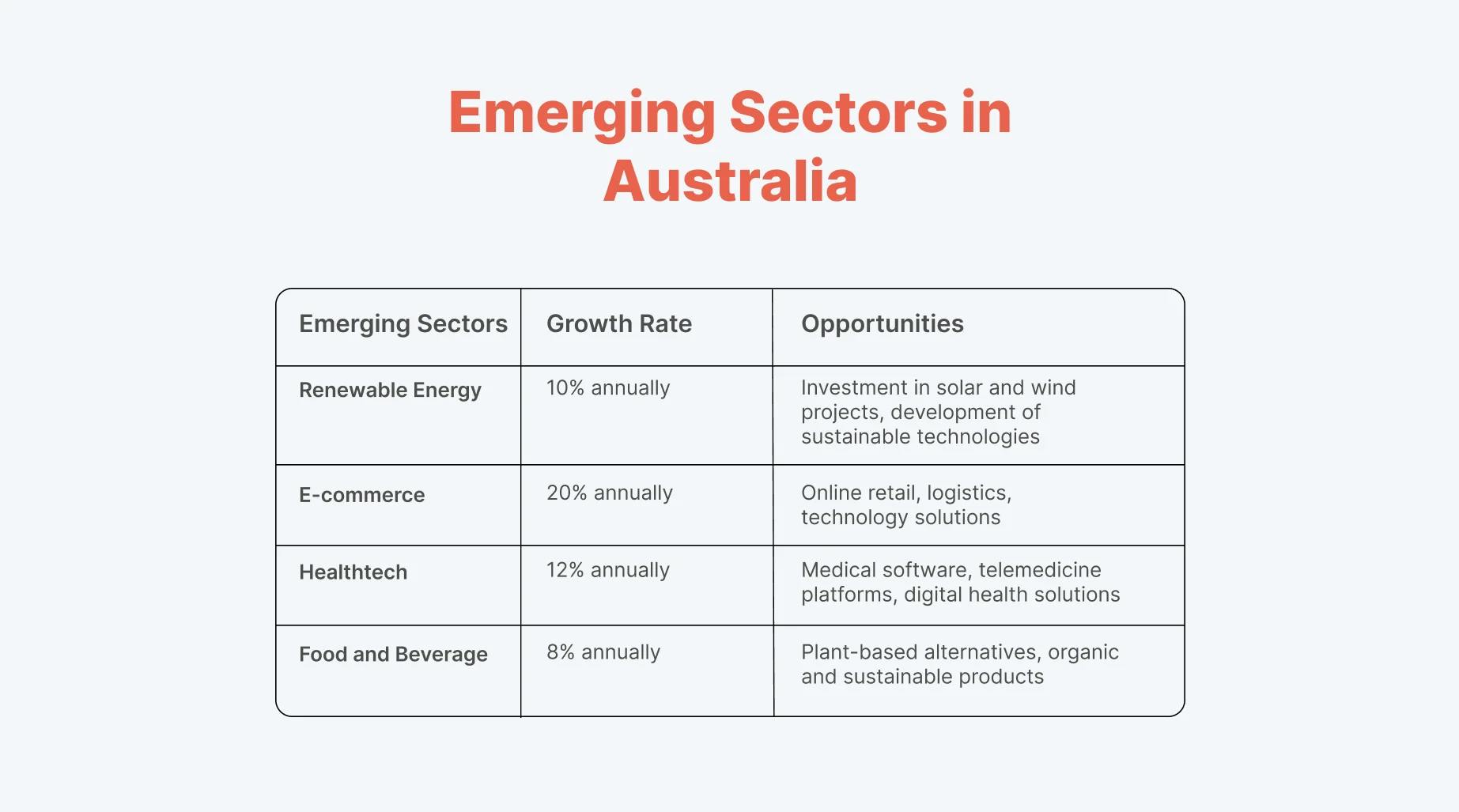
Keeping track of market trends in Australia allows businesses to strategically position themselves to meet consumers' evolving needs and preferences. Below is an overview of some of the top emerging sectors, their growth rates, and potential opportunities for businesses:
Emerging Sectors Overview
15. Detailed Insights
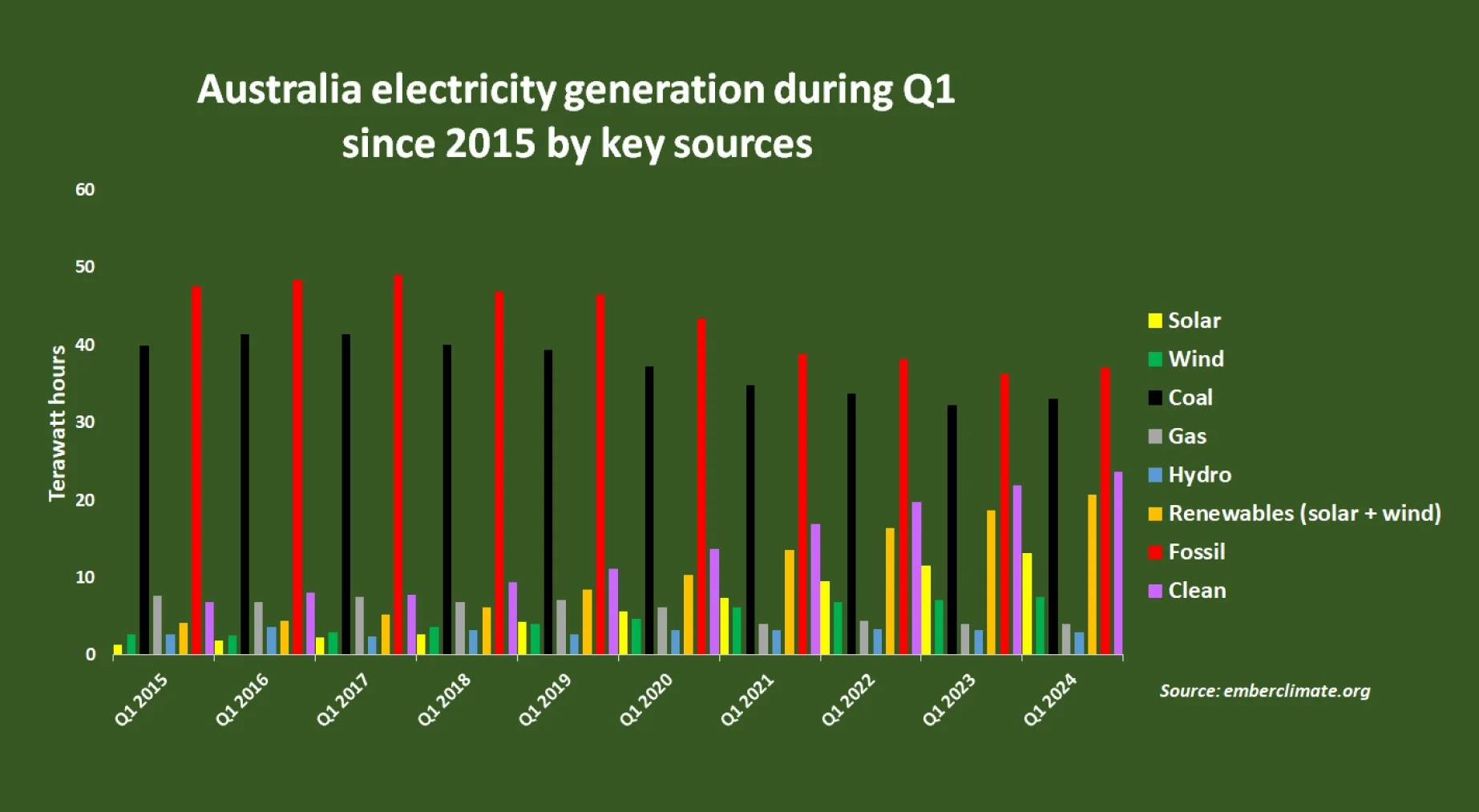
1. Renewable Energy: The renewable energy sector is experiencing significant growth due to increasing investments in solar and wind projects.
The development of sustainable technologies is also driving this sector forward, presenting numerous opportunities for innovation and investment.
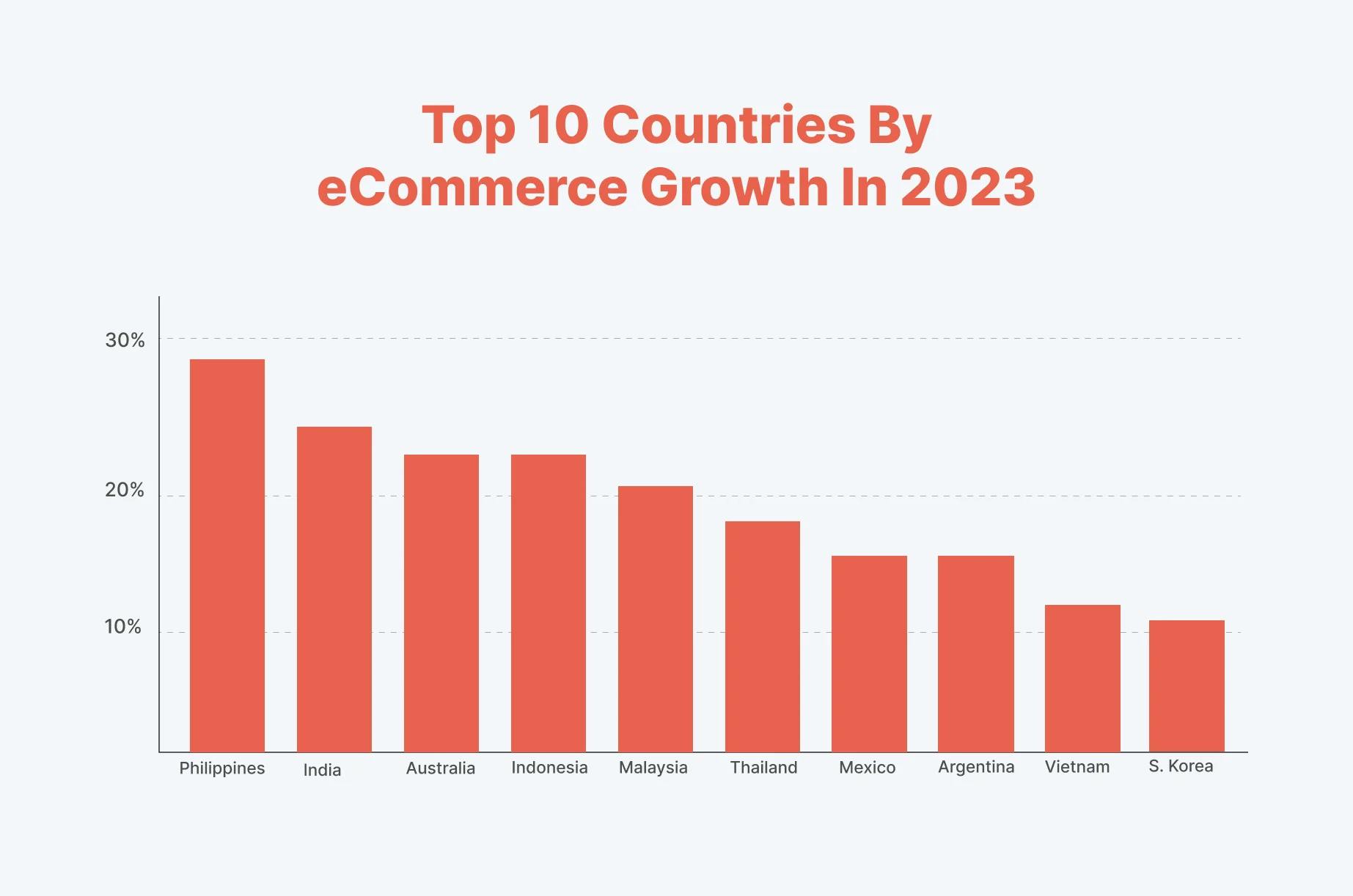
2. E-commerce: With a 20% annual growth rate, the e-commerce sector continues to expand rapidly. This growth is fueled by the increasing shift towards online shopping, creating opportunities in online retail, logistics, and technology solutions to enhance the e-commerce experience.
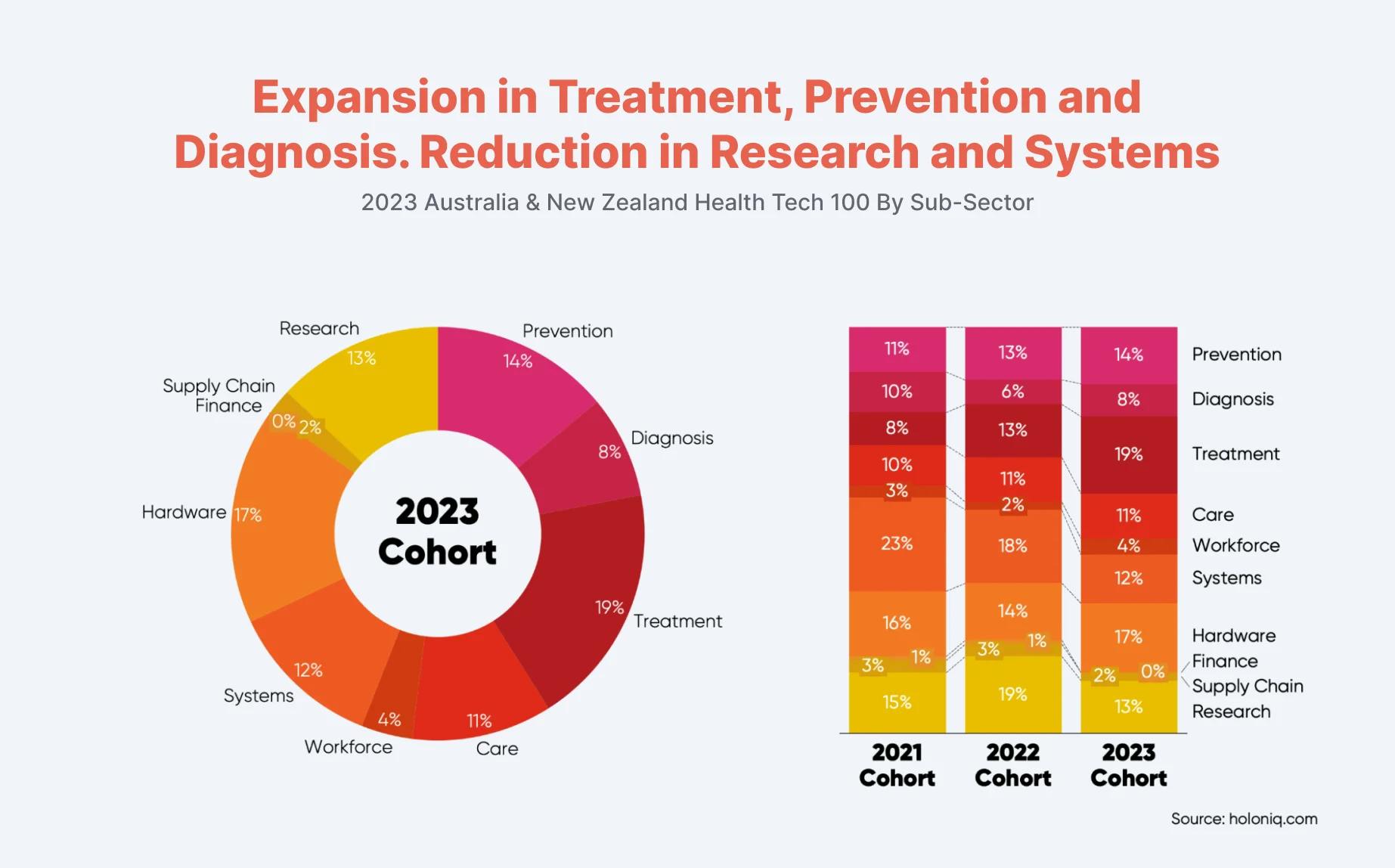
3. Healthtech: Health technology is growing at an annual rate of 12%, driven by advancements in medical software, telemedicine platforms, and digital health solutions.
This sector offers significant opportunities for businesses developing innovative health technologies to meet the rising demand for digital health services.
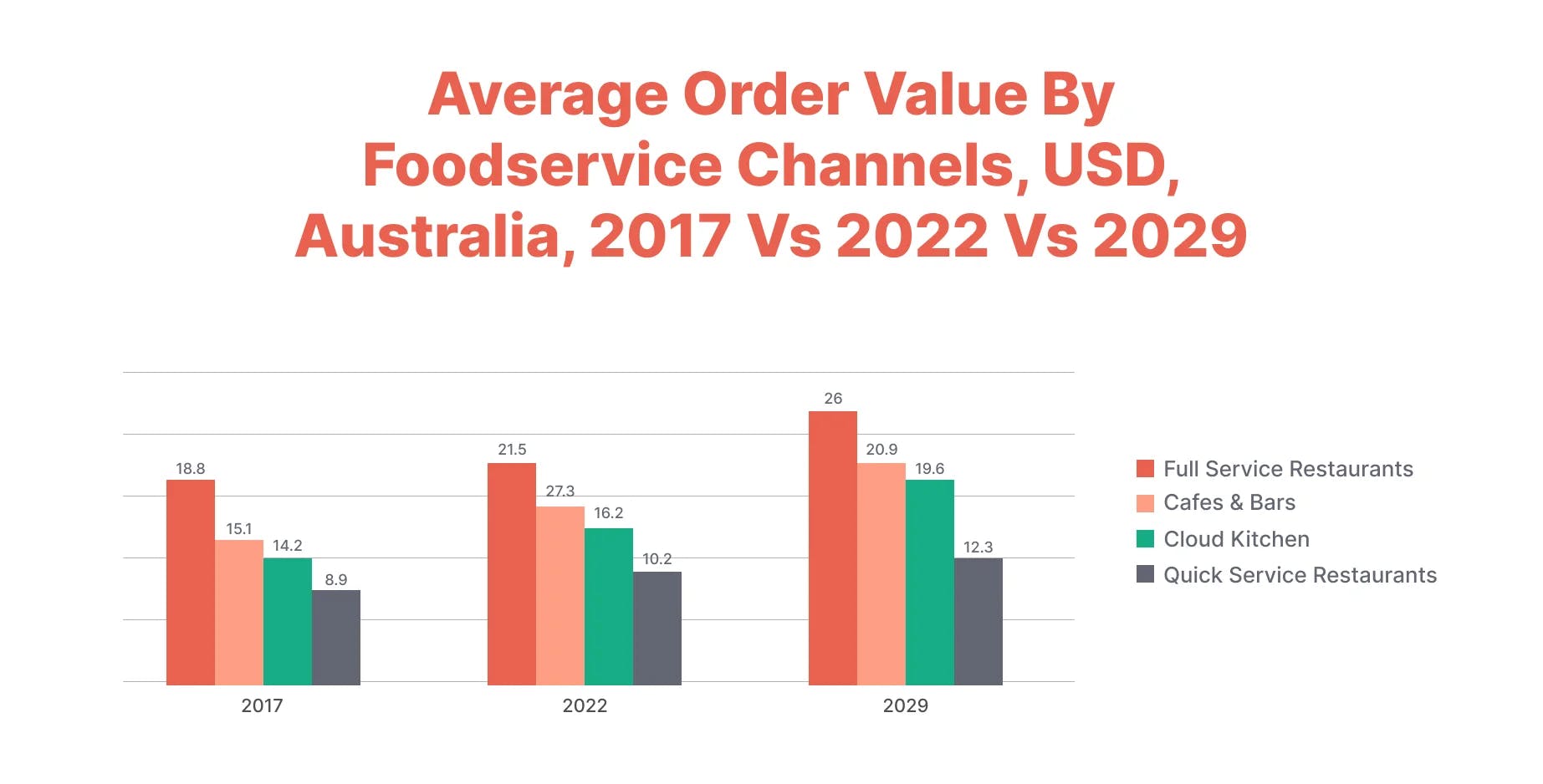
4. Food and Beverage: This sector, growing at 8% annually, is seeing increased demand for plant-based alternatives and organic products.
Businesses can capitalize on the trend towards healthier and more sustainable food options, which aligns with consumer preferences for environmentally friendly and health-conscious products.
The Australian Hairdressing and Beauty Services industry is valued at $7.5 billion in revenue. It employs 108,000 people across 26,014 businesses, and total wages amount to $4.4 billion.
16. Recent Performance and Trends
Over the past five years, the industry has faced a challenging environment, with revenue declining at a compound annual growth rate (CAGR) of 5.5%.
Despite this, the number of employees grew by 2.0% annually, indicating the labor-intensive nature of the industry.
The number of businesses also increased slightly by 0.9% annually due to the low barriers to entry.
Wages in the industry have grown by 3.4% annually, reflecting the increasing cost of skilled labor. Profit margins have seen a modest rise, indicating some recovery post-pandemic.
Key Industry Insights
17. Major Players
The largest companies in the industry include LCA Franchising Pty Limited, which had revenue of $149.2 million in 2024, Hairhouse Warehouse, and Just Cuts, each with revenue of $74.6 million. These companies represent a small portion of a highly fragmented market, predominantly composed of numerous small, independent salons.
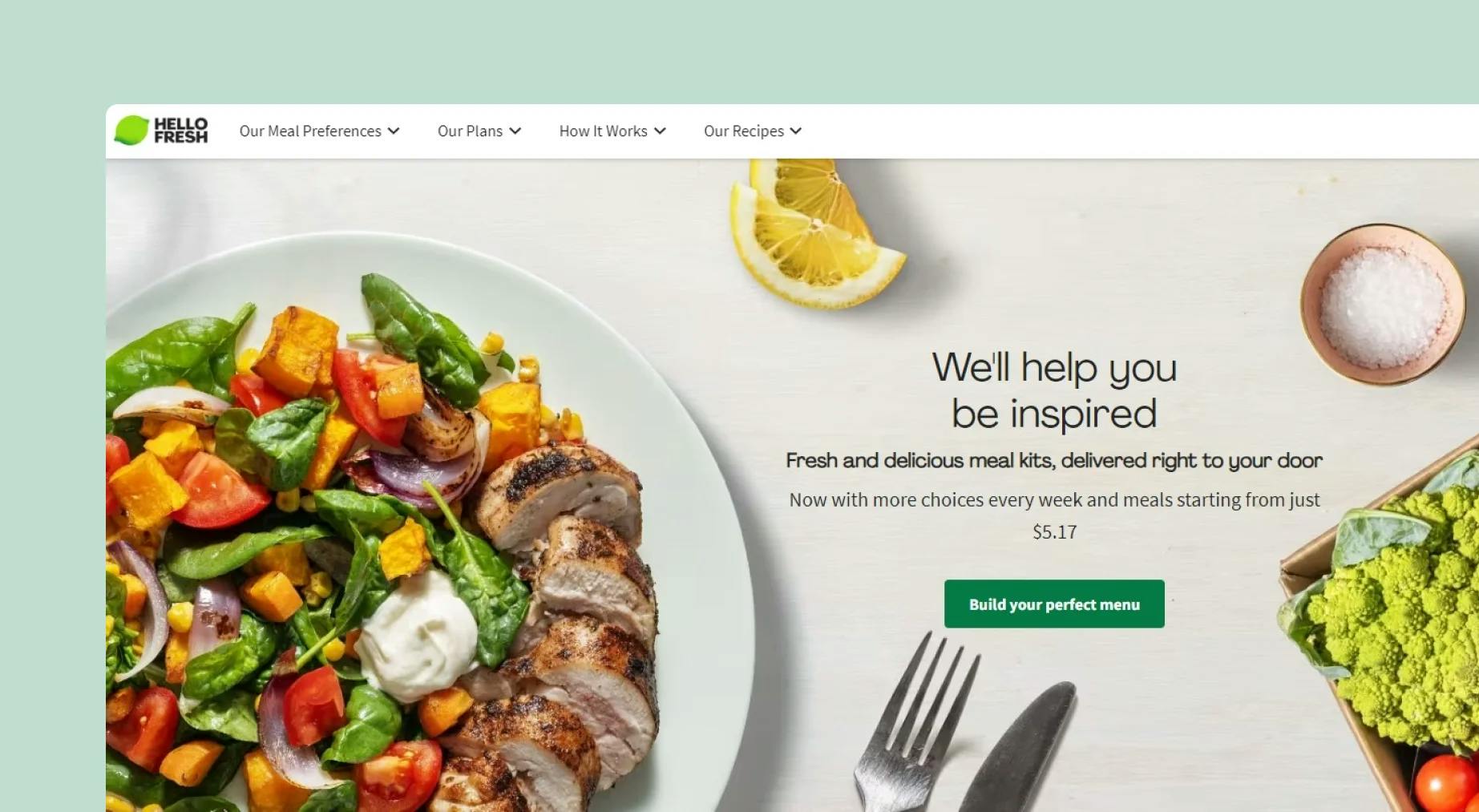
The Meal Kit Delivery Services industry employs approximately 1,979 people across 24 businesses, total wages amounting to $112.9 million.
18. Recent Performance and Trends
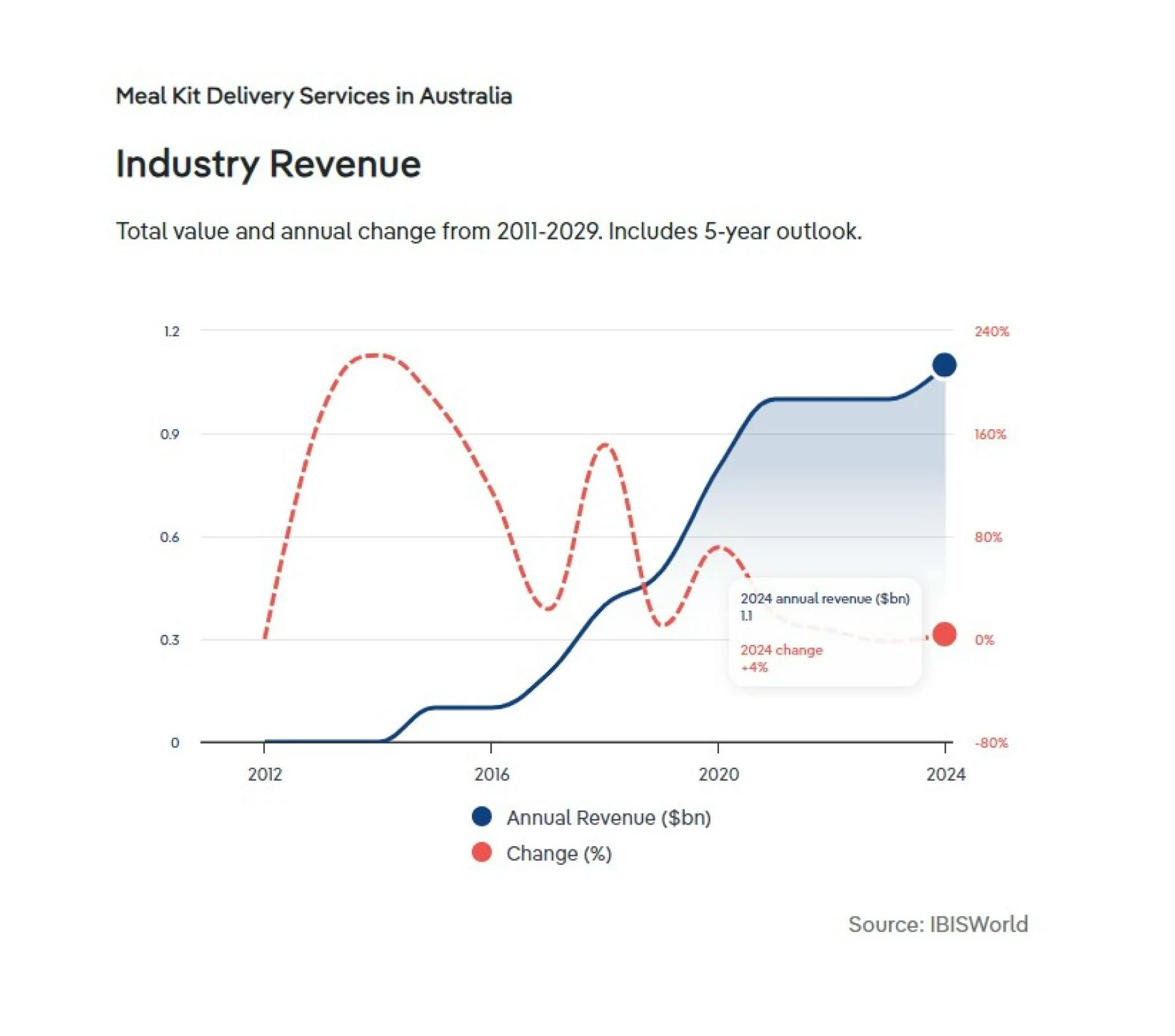
The Meal Kit Delivery Services industry has experienced significant growth over the past five years, with a compound annual growth rate (CAGR) of 17.2%.
This surge is attributed to increased health consciousness among consumers, rising disposable incomes, and the growing adoption of online shopping.
The COVID-19 pandemic accelerated this trend as consumers turned to meal kits to avoid grocery stores and maintain social distancing.
However, profitability remains a challenge for meal kit providers. High marketing costs and logistical demands to ensure food safety and attract new customers have increased operating expenses.
Despite these challenges, the industry's revenue has seen robust growth, reaching $1.1 billion in 2024.
Key Industry Insights
Women in business in Australia have made significant strides in recent years, but challenges remain. As of 2020, women comprised 35% of all self-employed entrepreneurs in Australia, reflecting their growing presence and influence in the business sector.
19. Industry Participation:
20. Leadership and Representation:
21. Gender Pay Gap:
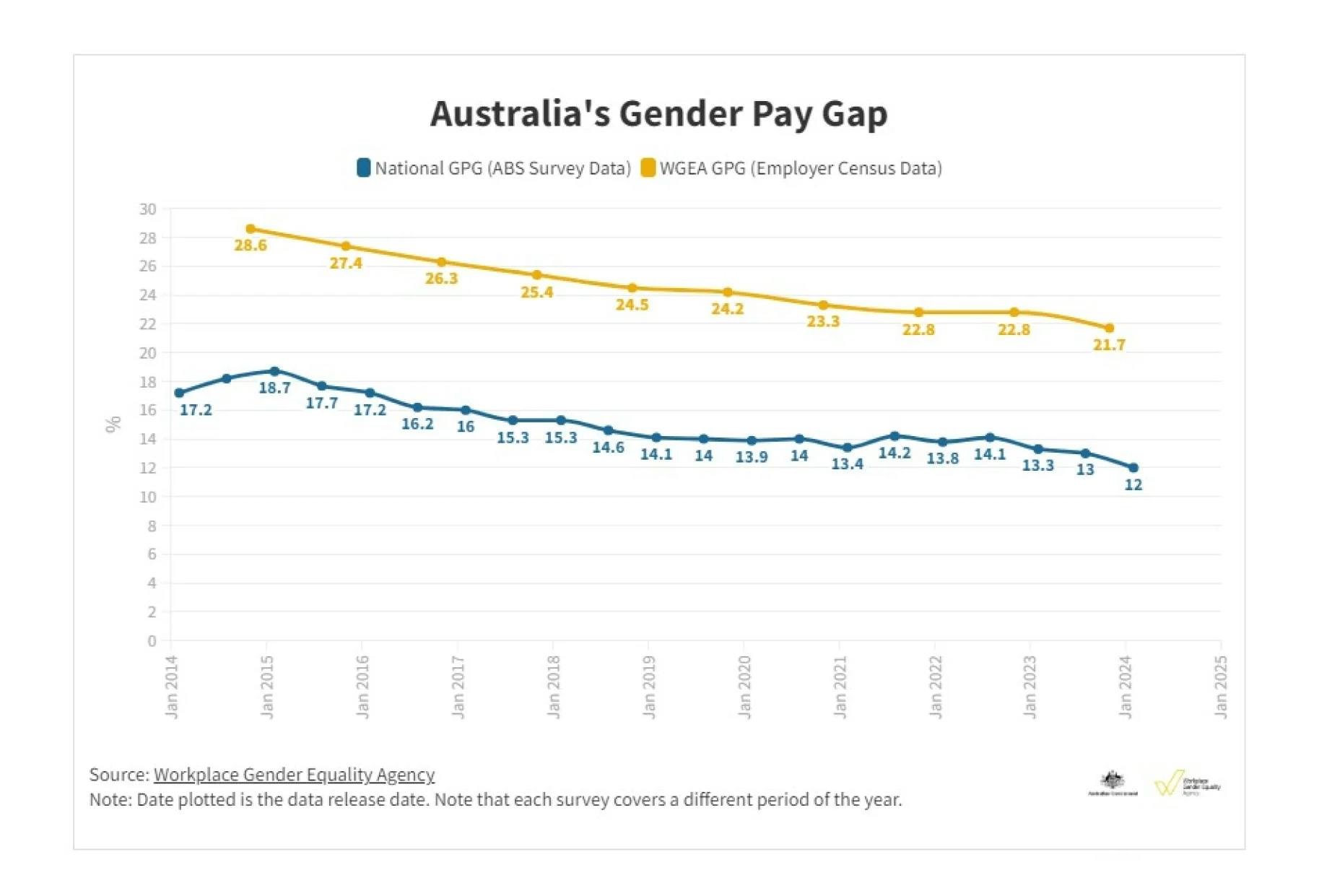
The gender pay gap in Australia remains a significant issue, with women earning on average 21.7% less than men across all industries. This gap includes base salary, bonuses, and additional payments.
22. Support and Initiatives:
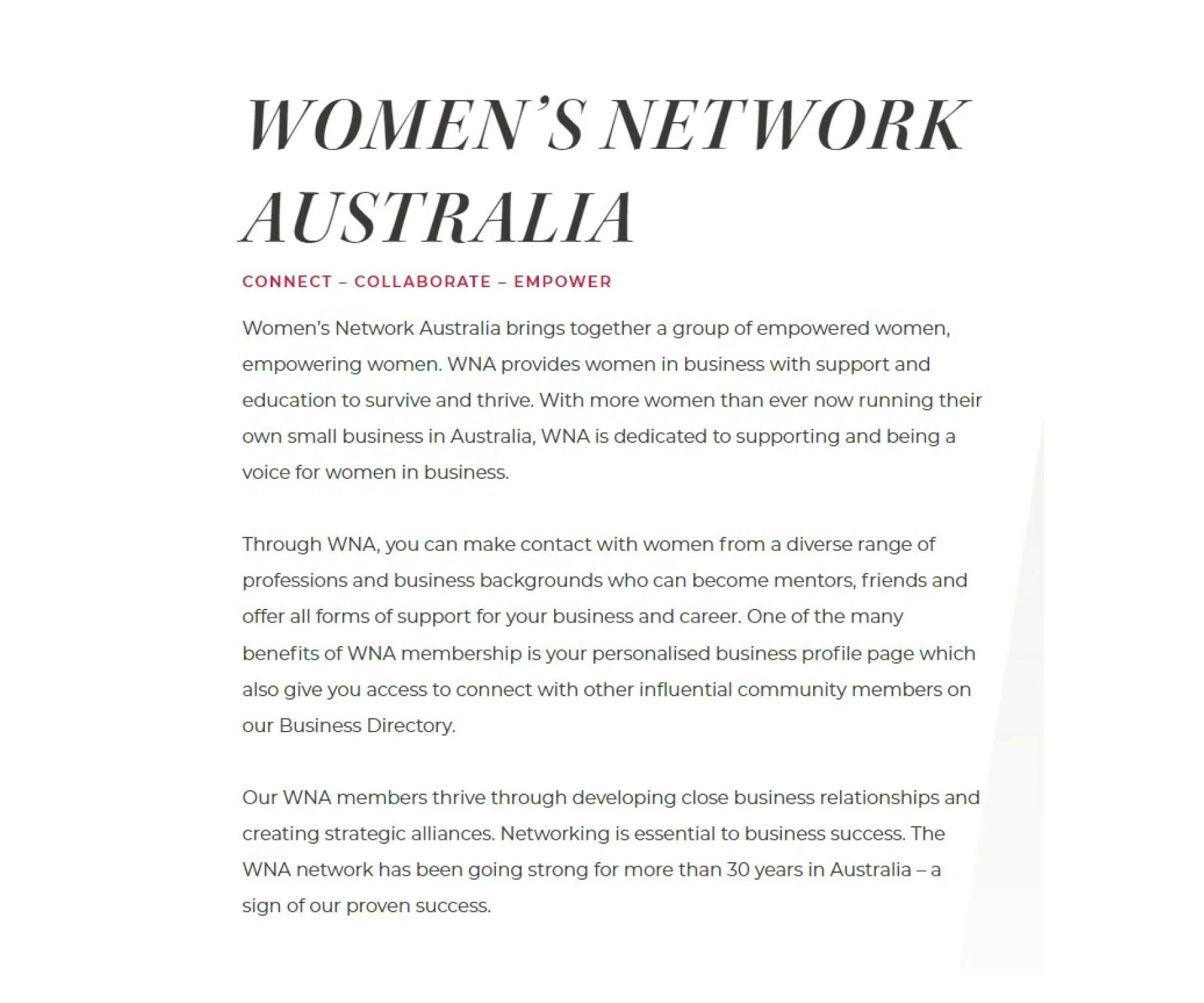
Various initiatives and support systems are in place to encourage women in business, including government grants, mentorship programs, and networking opportunities. Organizations like the Workplace Gender Equality Agency (WGEA) and Women’s Network provide resources and support to female entrepreneurs and professionals.
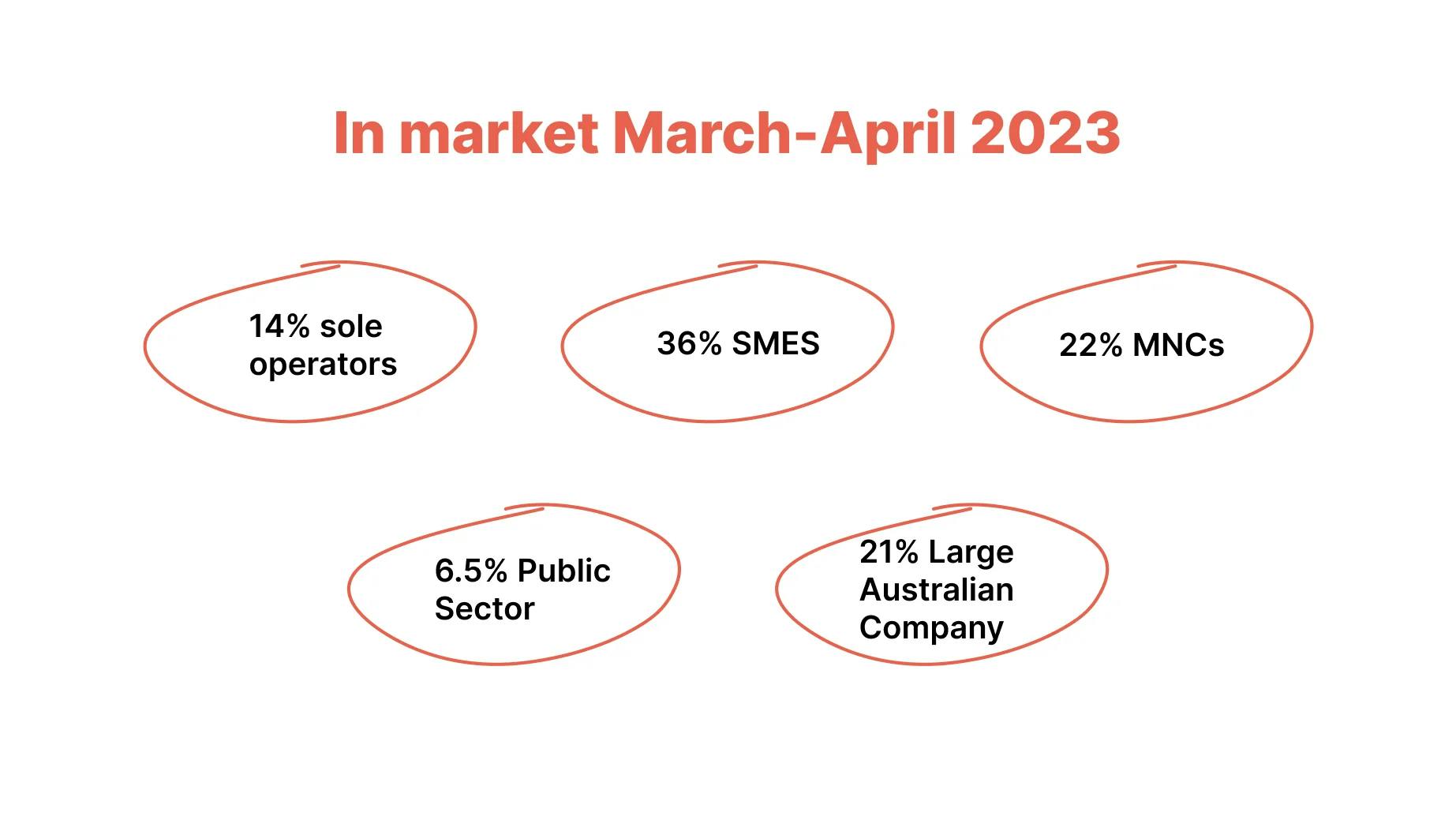
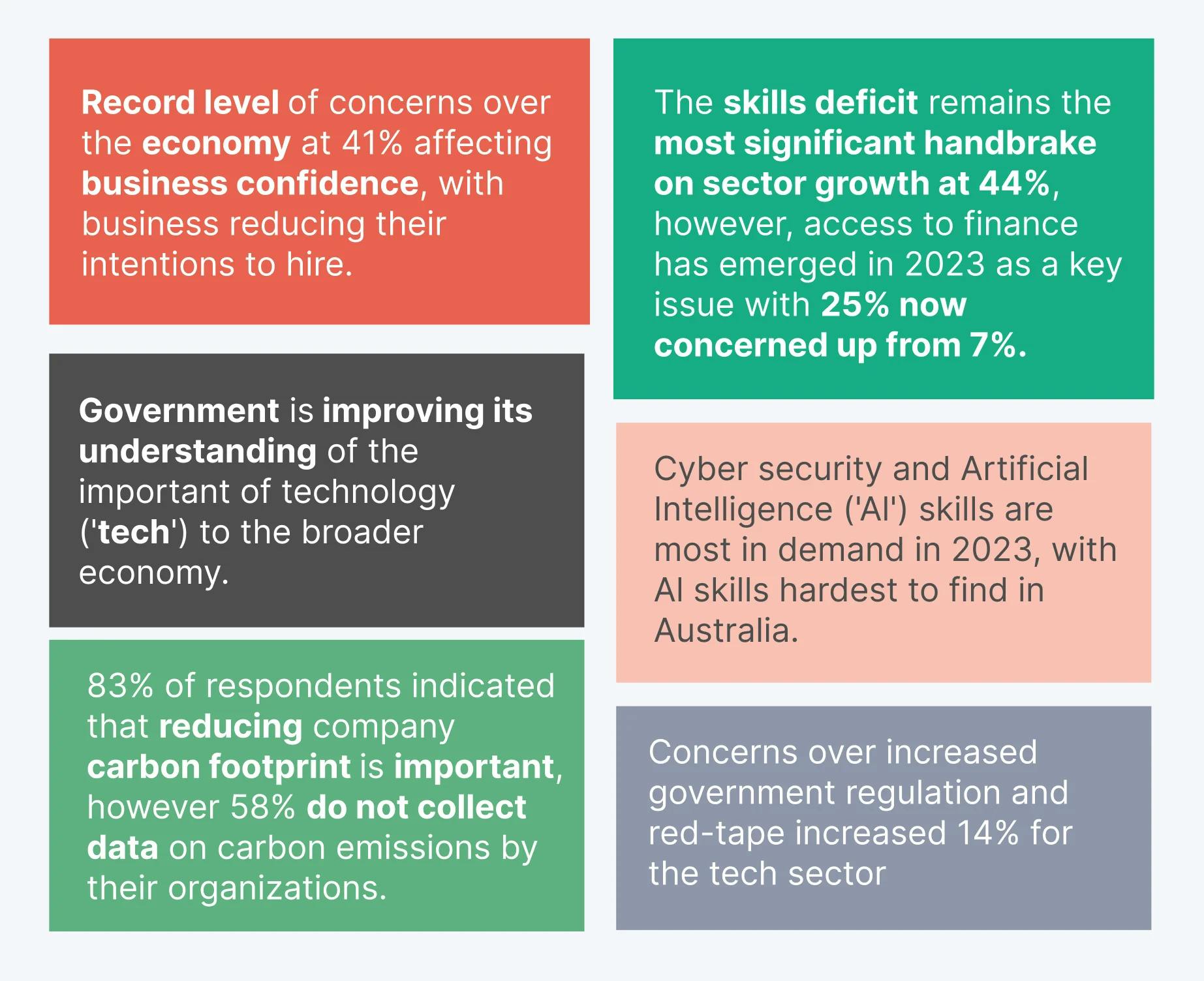
Based on the "Digital State of the Nation 2023" report from the Australian Information Industry Association – AIIA, here are insights about the Australian tech sector provided by their members, as follows:
23. Skills and Workforce:
24. Government and Policy:
25. Industry Sectors and Technology Adoption:
26. Technology Trends:
These Australian business statistics can help you understand and navigate market trends, optimize operations, and foster inclusivity, ensuring sustained growth and competitiveness.
And, to ease this burden even more – why not try ANNA – the all-in-one solution for all your business needs?
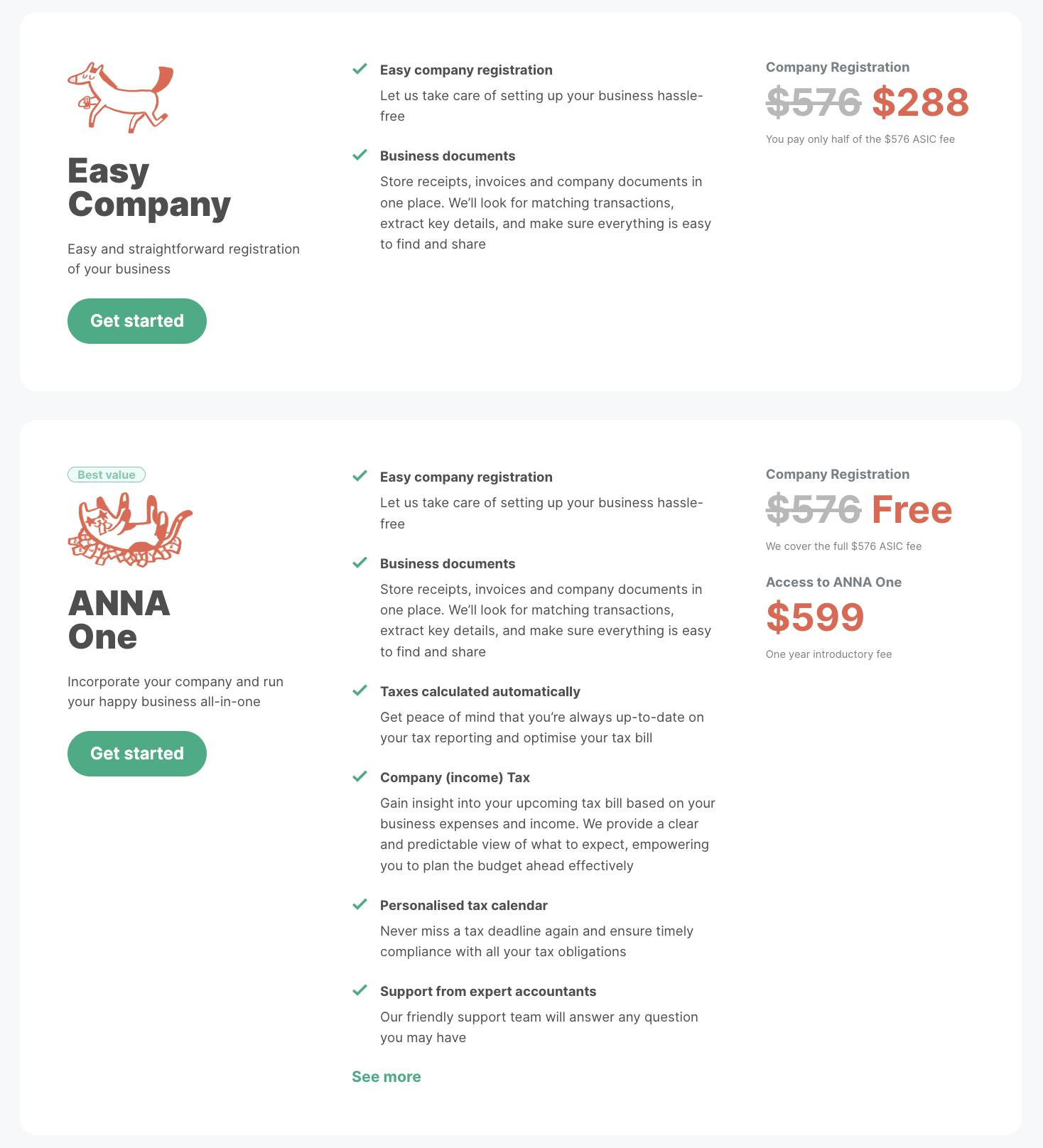
ANNA is the ultimate business companion, simplifying every step of your entrepreneurial journey:
⭐ Start-Up Support: We handle everything from company registration to banking setup, ensuring a hassle-free start.
⭐ Effortless Finances: Say goodbye to paperwork chaos! Anna keeps your books organized and taxes in check, automatically.
⭐ Tax Relief: No more tax headaches! Anna predicts your bills, reminds you of deadlines, and offers expert assistance.
⭐ Smart Spending: Save big on taxes with Anna's expense sorting and Bookkeeping Score boost.
⭐ Total Financial View: Track all your finances in one place, seamlessly integrating with other accounts.
⭐ Speedy Invoicing: Send polished invoices quickly and get paid faster with automated follow-ups.
⭐ Friendly Reminders: Anna keeps you on track with gentle nudges for important tax dates.
With Anna by your side, running your business has never been smoother or more satisfying!
Register a business with ANNA and sign up for free - ANNA covers the incorporation fee for you.
Register a business todayRegister a business with ANNA and sign up for free - ANNA covers the incorporation fee for you
Register a business today
.svg)