
Discover tips to prepare your BAS with this guide, covering key steps, compliance requirements, and strategies for accurate financial reporting.
For many business owners, the end of the quarter comes with a mix of relief and apprehension. Relief that another period is behind you and apprehension because it’s time to tackle your Business Activity Statement (BAS).
The Australian Tax Office (ATO) requires your BAS to detail your business's financial activity, including GST, PAYG withholding, and other tax-related responsibilities.
Whether you’re dreading the paperwork or just need a streamlined approach, this guide will help you prepare your BAS efficiently.
So, let’s dive into 14 simple steps for BAS preparation that will save you time, reduce stress, and ensure your BAS lodgement goes off without a hitch.
While it might seem daunting at first, breaking the process into manageable steps can simplify things and help you approach BAS preparation with confidence.
The first step in preparing your BAS is knowing what you need to report.
Your BAS is a snapshot of your tax obligations, and depending on your business activities, it might include:
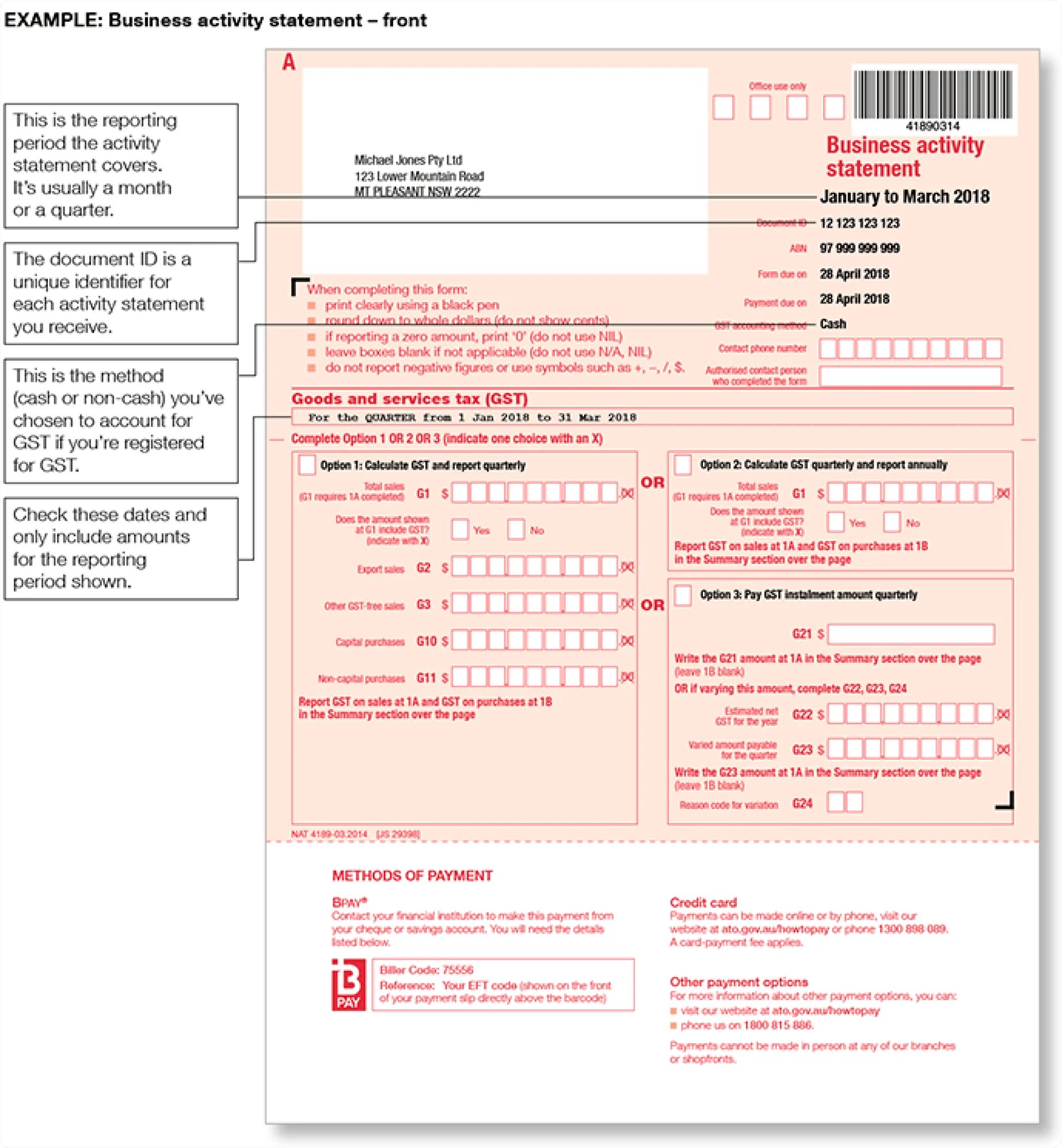
For a small business selling handmade candles, BAS preparation might simply mean reporting GST on sales and expenses.
For a larger company, it could also include payroll taxes and fuel tax credits.
The scope of your BAS depends entirely on how your business operates, so take time to identify all the components relevant to you.
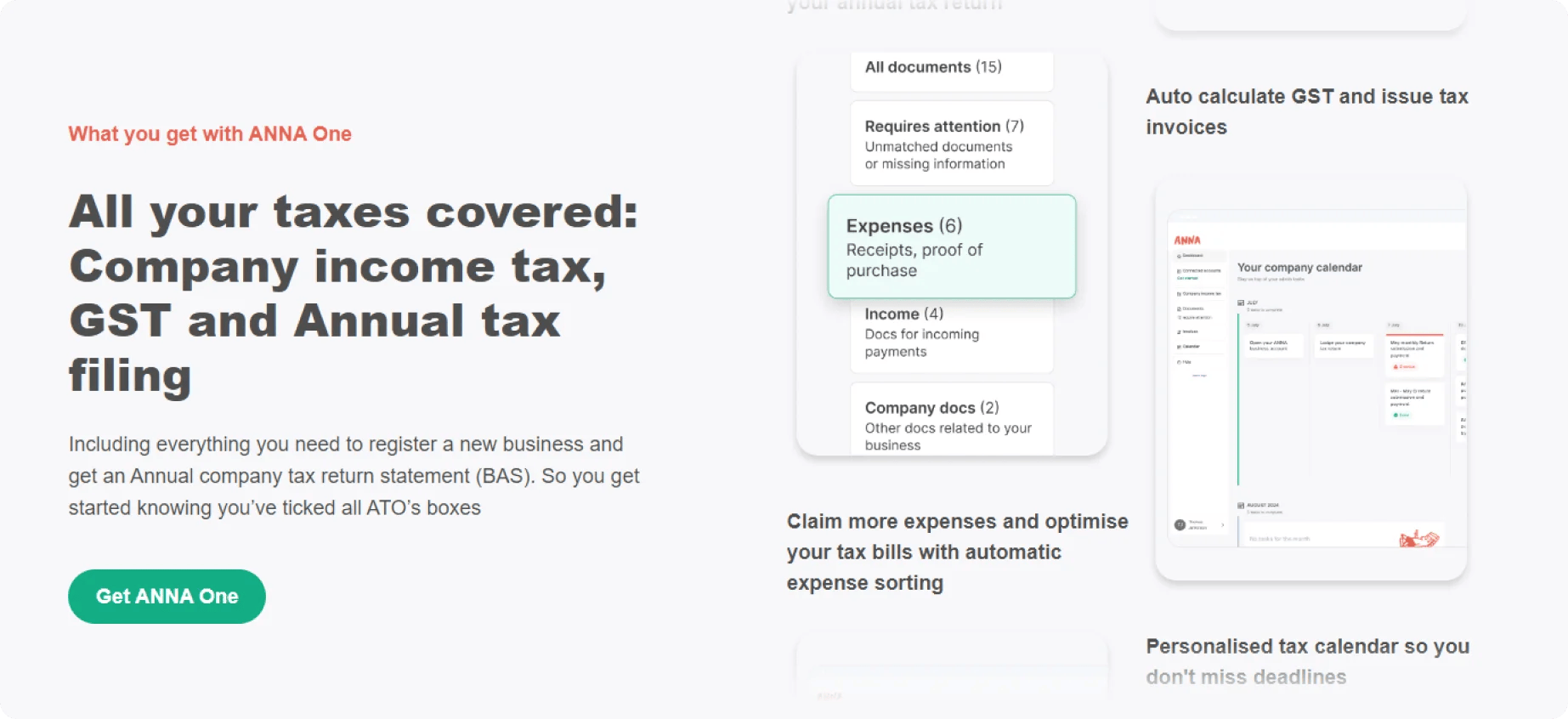
With ANNA One, your BAS obligations like GST and tax invoices are automatically tracked and categorised.
You’ll always know what needs to be reported and when it’s due, saving you time and reducing errors.
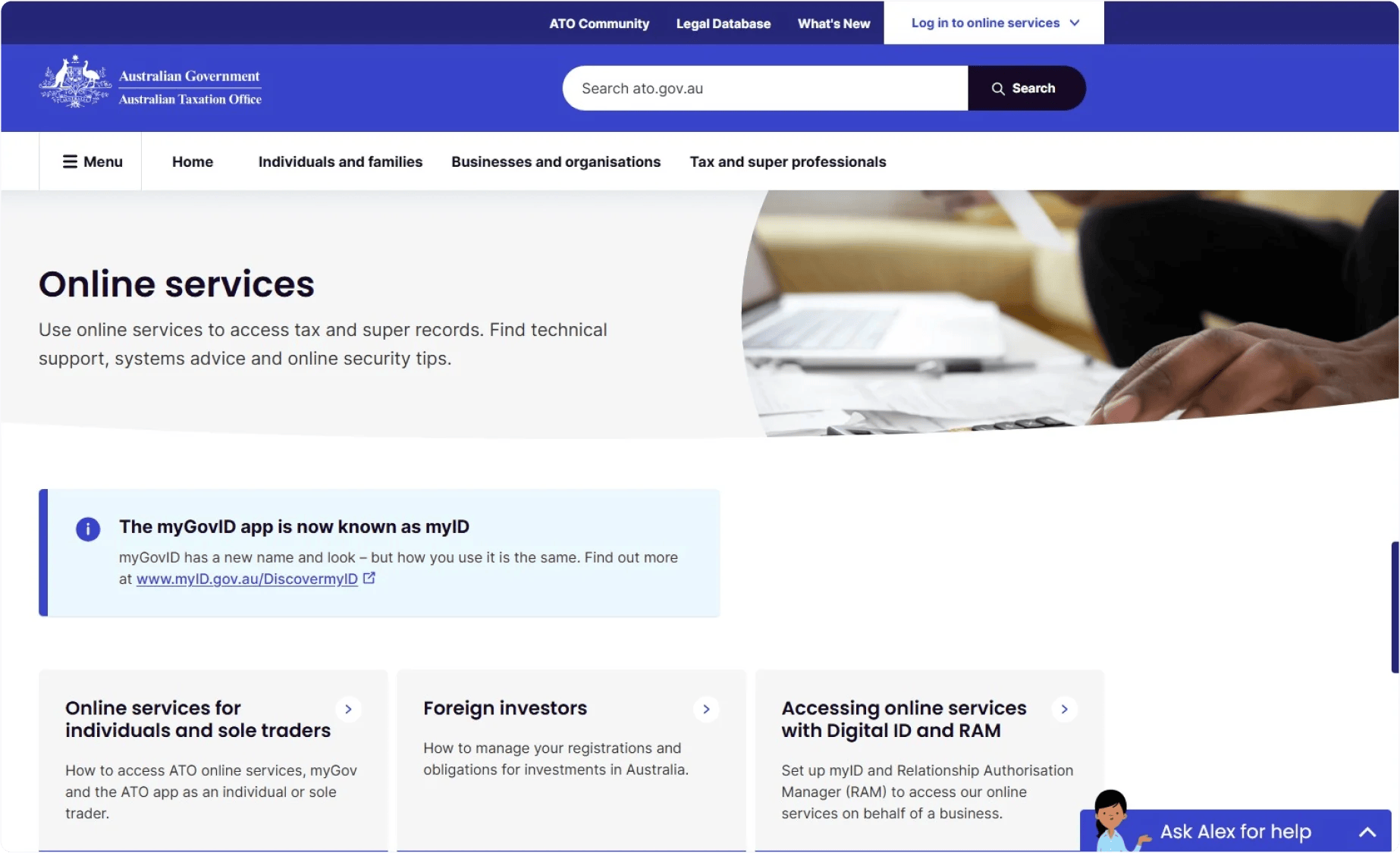
Your BAS lodgement frequency is determined by your GST turnover, and the ATO assigns it when you register for GST:
To check your frequency, log in to the ATO’s online services. Knowing your deadlines ensures you can plan ahead and avoid penalties.
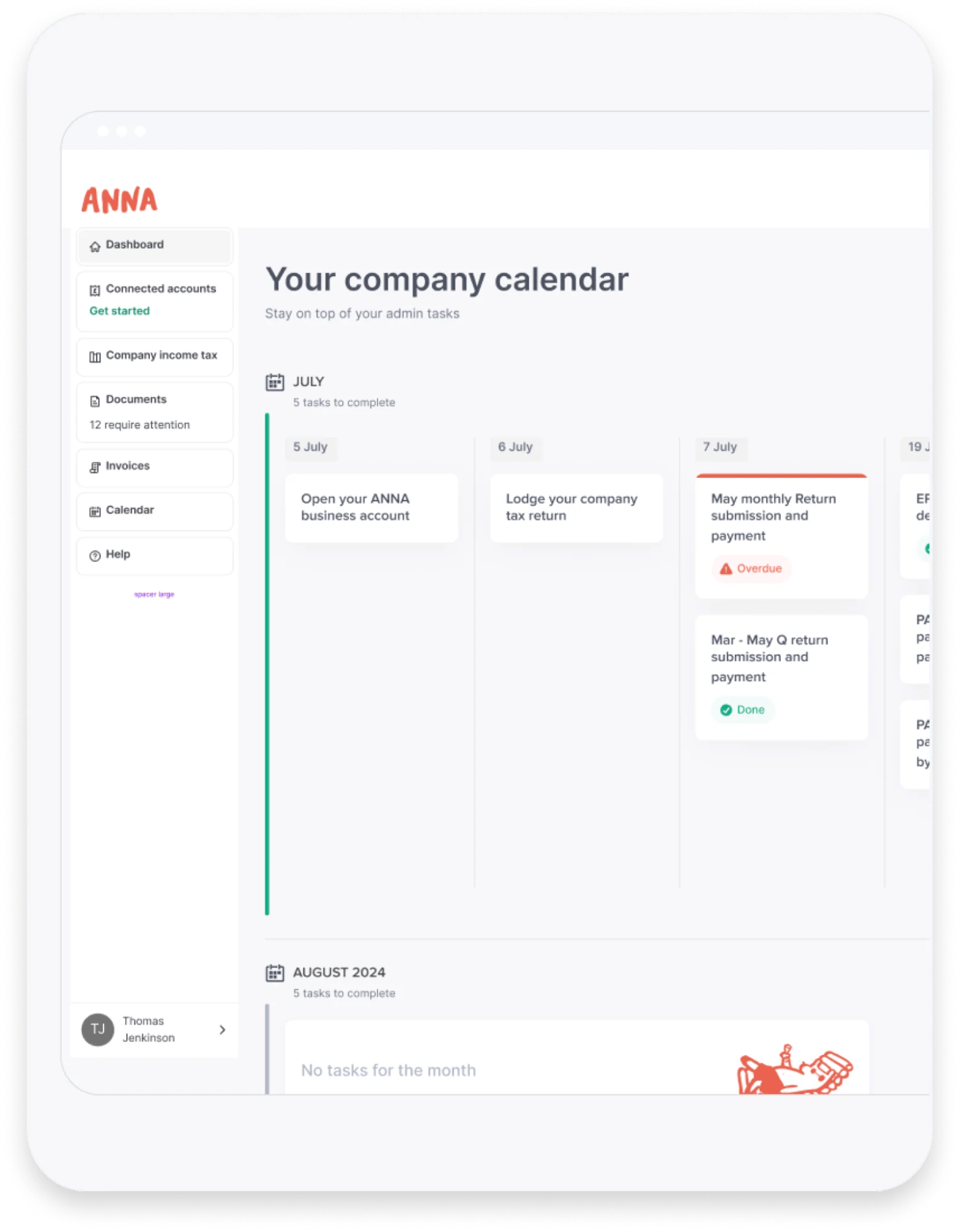
For example, if your quarterly BAS is due on April 28, it’s best to start gathering records by early April to avoid last-minute stress.
ANNA’s personalised tax calendar ensures you never miss a BAS lodgement deadline.
We send you timely reminders specific to your reporting frequency, whether monthly or quarterly.
No matter how small or large your business is, accurate record-keeping is the foundation of BAS preparation.
Collect and organise all relevant documents, including:
Using accounting software like ANNA, Xero or QuickBooks can make this process a breeze by automatically categorising transactions and generating BAS reports.
If you are a hairdresser, for example, you could log supplier invoices for shampoo stock and automatically allocate GST, ensuring nothing is missed.
Also, don’t forget to reconcile your bank accounts weekly to catch errors early. This habit will save you hours of frustration when BAS lodgement rolls around.
ANNA automatically matches your receipts to transactions and categorises them by type, ensuring you’re always BAS-ready.
You can also snap a photo of your receipts, and ANNA will store and sort them for easy access during tax time.
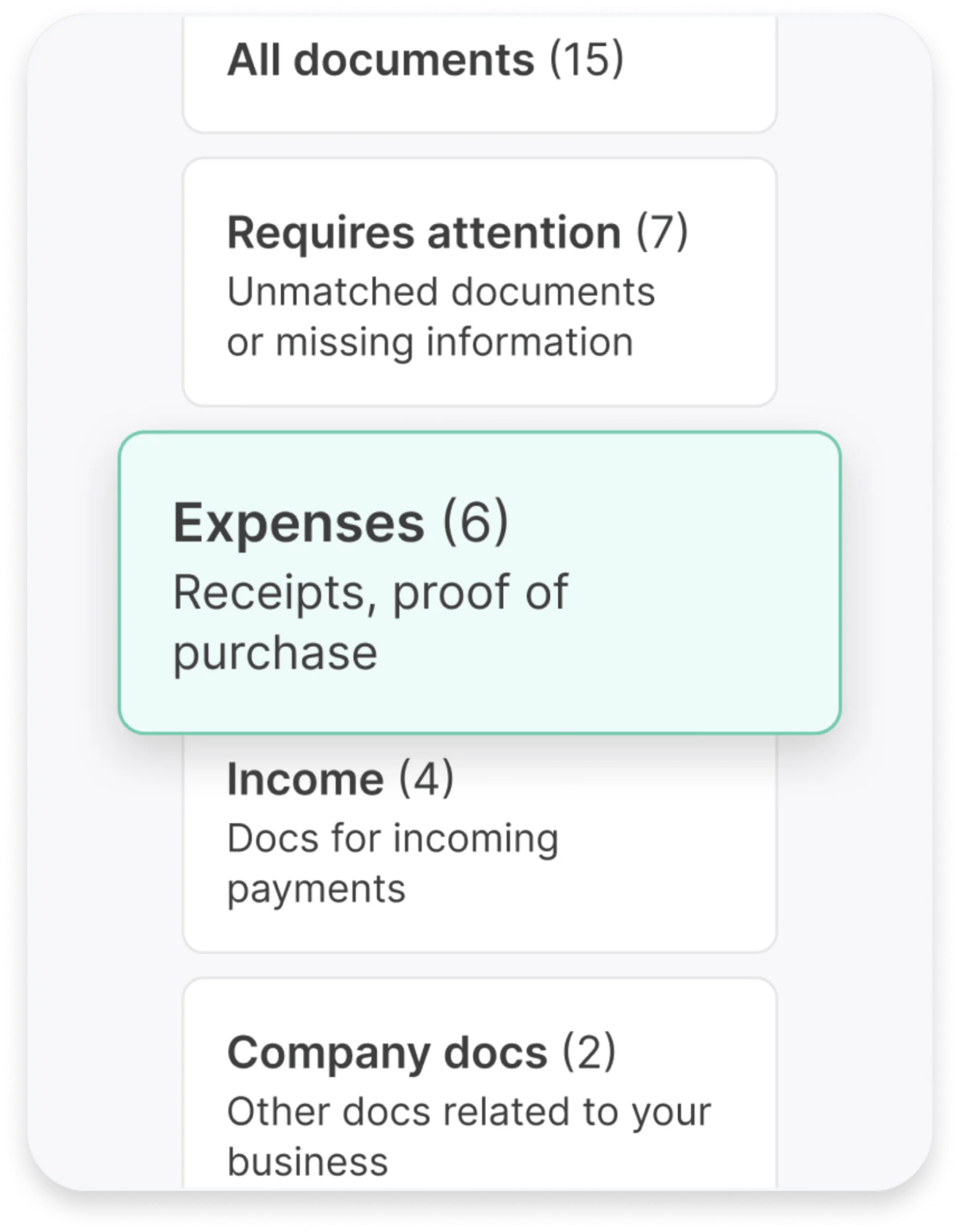
Your BAS is only as accurate as the data you include. One common mistake is using transactions outside the reporting period.
Let’s say your reporting period is July to September. If you receive a supplier invoice in October for services rendered in September, double-check whether it belongs in the current BAS or the next one.
Most accounting software lets you filter transactions by date to ensure everything lines up correctly.
📌 To learn more about the Australian financial year, key dates and compliance requirements for your business, don’t skip on our The Australian Financial Year - Beginner's Guide!
Not every transaction involves GST, so it’s important to know the difference:
For instance, a café should not include GST on fresh produce like lettuce (GST-free) but must account for GST on prepared meals. Misclassifying these transactions can lead to errors and penalties.
If your business accepts cash payments or makes cash purchases, don’t forget to include them in your BAS.
It’s easy for cash transactions to slip through the cracks, but the ATO requires them to be reported just like electronic payments.
For example, if you’re a market stall vendor, you should record every cash sale made during the weekend and ensure those amounts are included in your BAS.
ANNA tracks all cash and electronic transactions seamlessly. By linking your bank accounts to ANNA, you get a complete view of your finances in one place.
Claiming GST credits requires valid tax invoices, but not every expense qualifies. Make sure you’re only claiming GST where it’s due:
For instance, if you buy office supplies worth $500, the invoice must clearly state the GST amount and the supplier’s ABN.
Without these details, your GST claim might be denied during an audit.
Reconciling your bank accounts ensures your BAS figures match your financial activity. This step helps you spot duplicate entries, missed transactions, or incorrect amounts.
Take, for example, a cleaning service business that notices a $1,000 client payment missing from their accounting software due to a bank error.
Reconciling accounts promptly can prevent such discrepancies from affecting your BAS.
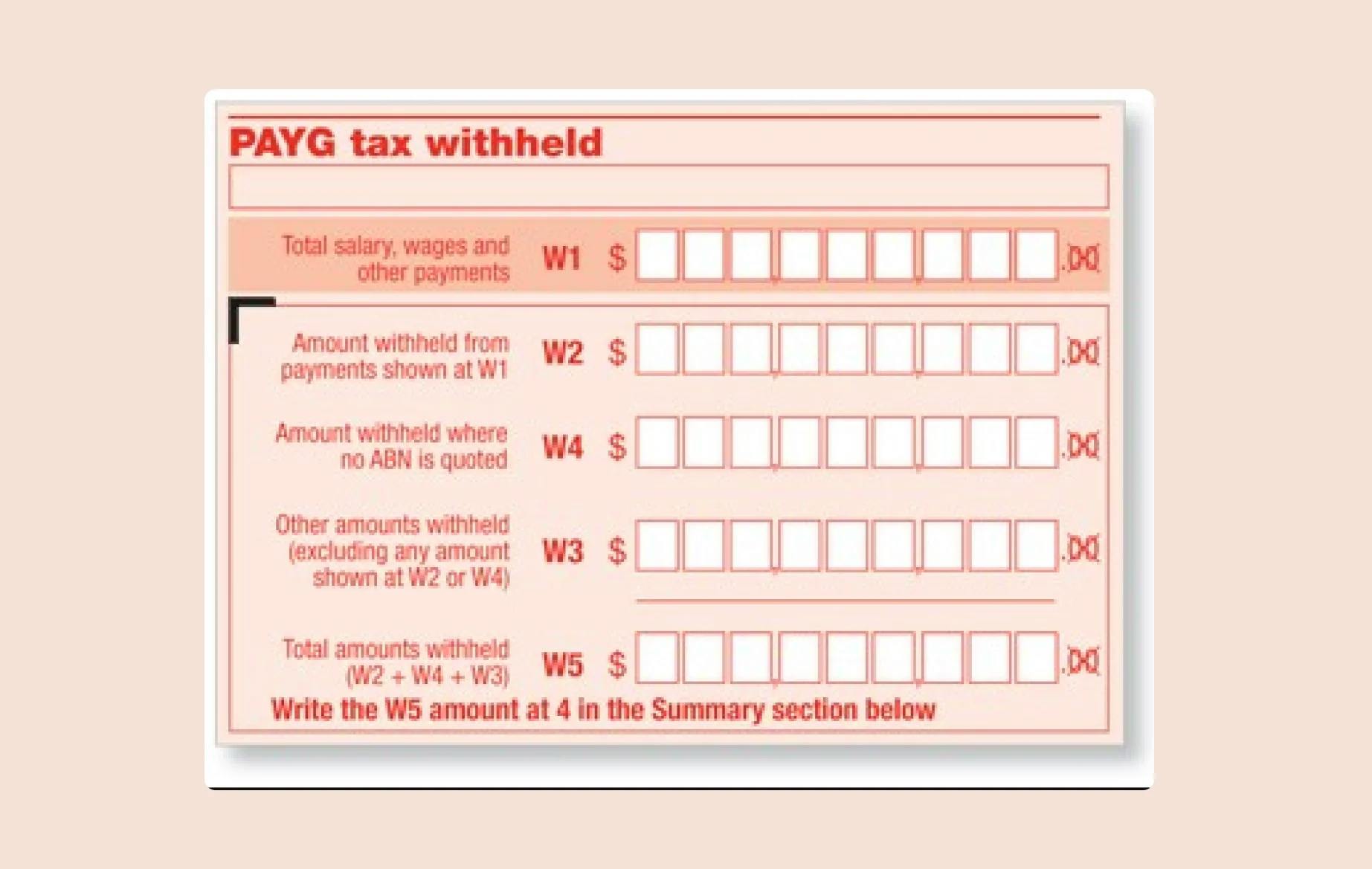
If you have employees, PAYG withholding is an essential part of your BAS. This is the tax you withhold from employee wages and pay to the ATO.
For example, a retail store paying $50,000 in wages for the quarter might withhold $8,000 in PAYG tax.
These figures need to be reported under the W2 label on your BAS form.
The ATO’s Tax Withheld Calculator can help you get these numbers right.
To use this calculator, you’ll need the details provided by your employees or workers in their:
One of the most common errors in BAS preparation is accidentally claiming GST twice – once on the purchase price and again on repayments for financed assets.
For example, let’s say a courier business buys a delivery van for $50,000 using a loan.
GST is claimed on the purchase price at the time of purchase but should not be included on monthly loan repayments.
So, double-check your GST claims to avoid costly mistakes.
Overseas purchases and imports can be tricky. While many overseas suppliers are now registered for GST in Australia, others are not.
Always confirm the GST status of your supplier before claiming GST credits.
For example, an e-commerce business importing products from the US cannot claim GST unless the supplier is registered in Australia and charges GST on the invoice.
Before you hit “submit,” review your BAS thoroughly. Errors can lead to costly penalties or additional work to correct the lodgement.
This step ensures that your GST figures, PAYG withholding, and other reported amounts align with your financial records.
How to review effectively:
For instance, you’ve noticed during the review that GST was claimed on employee wages, which is incorrect.
Catching this mistake before lodging prevents the ATO from flagging the BAS for audit.
Taking this final step may feel tedious, but it’s worth the effort to avoid penalties, audits, or additional administrative work down the line.
BAS deadlines are strict, and missing them can lead to penalties and interest charges.
For most small businesses, BAS lodgement is due quarterly on the 28th of the month following the end of the quarter (e.g., April to June BAS is due July 28).
Monthly lodgements are due on the 21st of the following month.
Tips to stay on schedule:
If you’re struggling to pay on time due to cash flow issues, the ATO offers payment plans.
Apply via the ATO Business Portal or consult a BAS agent for guidance.
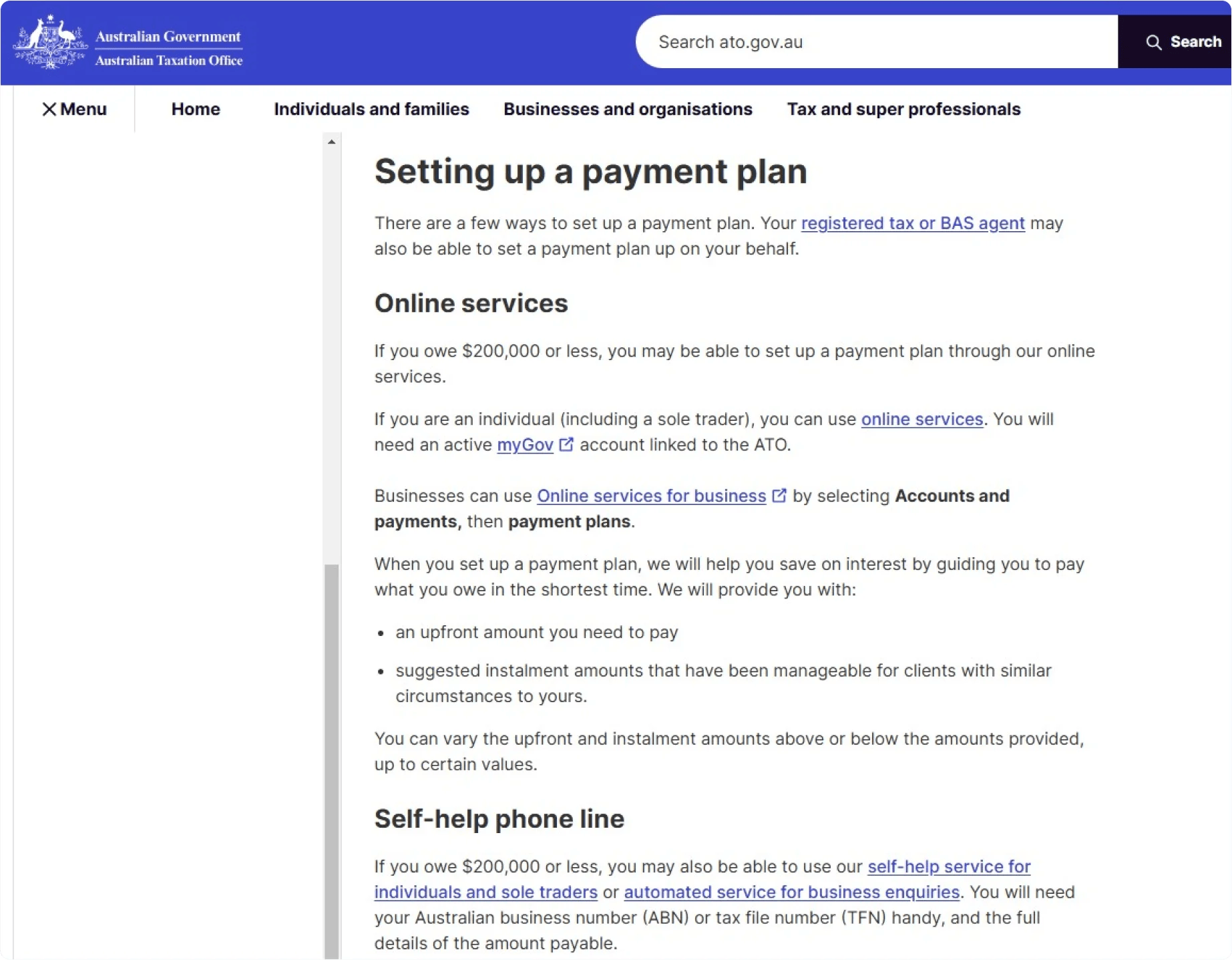
Submitting your BAS on time, even if you can’t pay immediately, can help you avoid late lodgement penalties.
Your BAS responsibilities don’t end once you’ve lodged and paid. The ATO requires you to keep all BAS-related records for at least five years.
This includes:
These records are vital for compliance and can protect you in the event of an ATO audit.
To be able to always have your records on hand, consider the following:
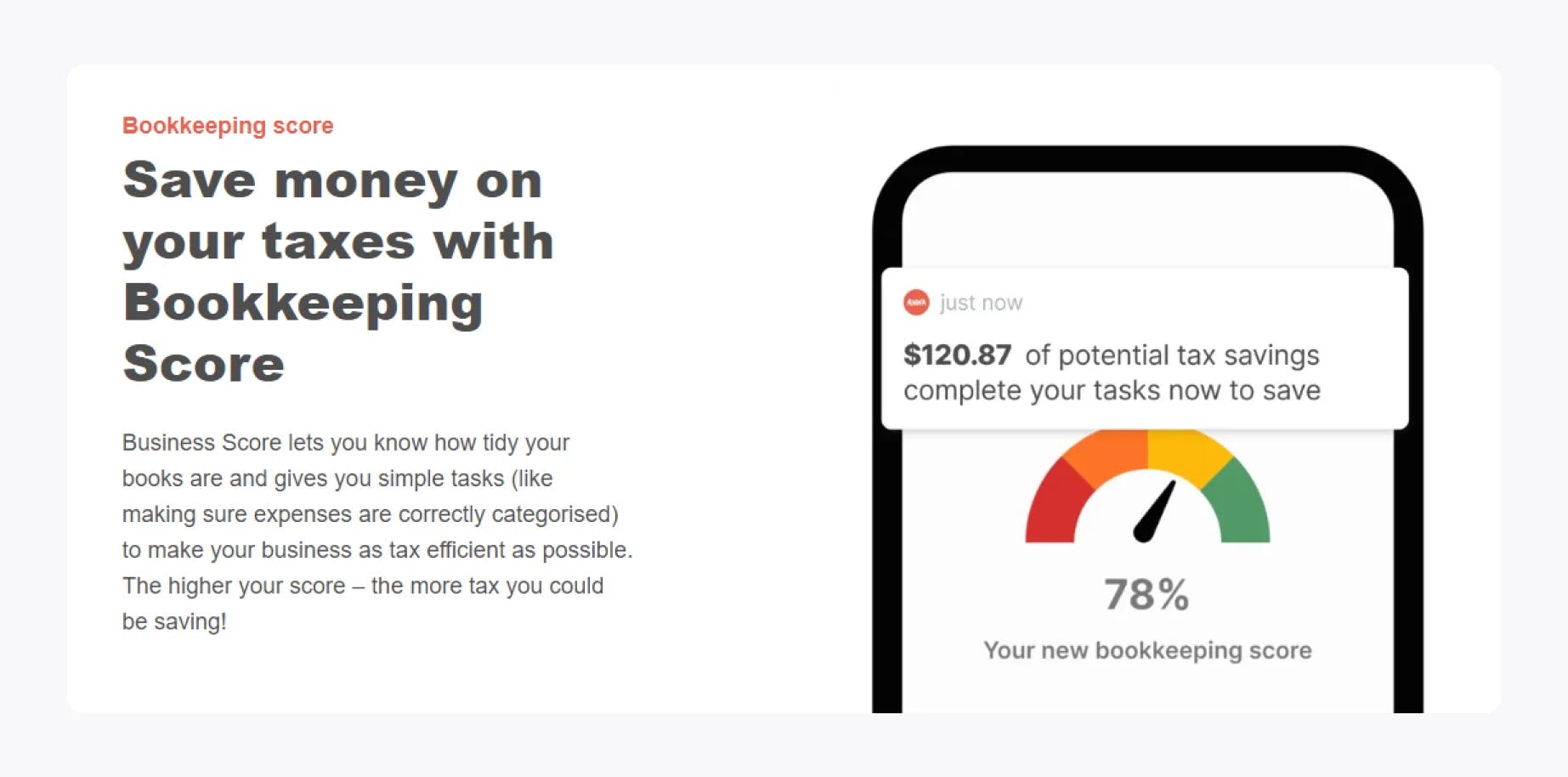
ANNA securely stores all your financial records digitally. From receipts to lodged BAS forms, everything is easily accessible and backed up for compliance and audits.
Also, you can save money on your taxes while being compliant!
Preparing your Business Activity Statement (BAS) doesn’t have to be stressful.
With clear organisation, an understanding of your obligations, and careful attention to detail, you can simplify the process and lodge your BAS with ease.
Following these BAS preparation tips will not only keep you compliant with the ATO but also give you better control over your business finances.
If BAS still feels overwhelming, there’s an easier solution – ANNA, your all-in-one business assistant.
Why ANNA is Perfect for BAS
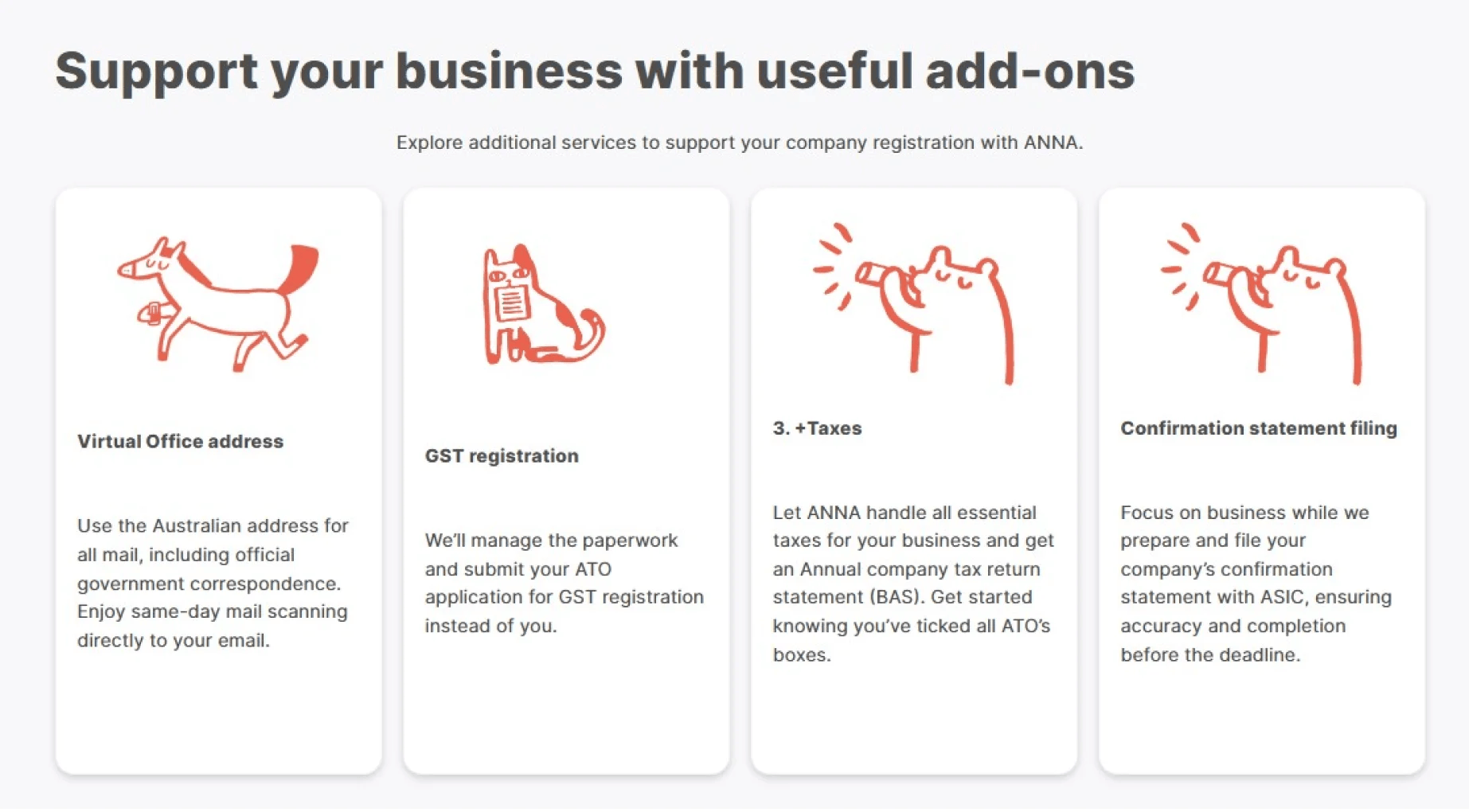
With ANNA, you get automation, accuracy, and peace of mind – all while saving time. ANNA’s tools for bookkeeping, tax calculation, and deadline management are designed to make your BAS process smooth and efficient.
Sign up with ANNA One today and see how it transforms your business admin!
Register a business with ANNA and sign up for free - ANNA covers the incorporation fee for you
Register a business today
.svg)