
Explore the best accounting tools for small businesses designed to simplify financial management, streamline bookkeeping, and support business growth.
Choosing an accounting tool can feel like a big decision. You want something that won’t just work for you today but will also grow with your business, save you time, and maybe even make managing money a little easier.
With so many options, how do you pick the right one? Don’t worry – we’re here to help.
Let’s break down 8 of the best accounting tools for small businesses in 2024, making it easier to find what’s best for your needs.
When selecting accounting software for your small business, consider the following:
⚡ Ensure the software can scale with your business.
⚡ Look for tools that track income/expenses, manage projects/inventory, offer bookkeeping and invoicing, provide robust reporting, and include bank reconciliation features to keep your finances accurate.
⚡ Ensure it includes tax tools to help you stay compliant.
⚡ Prioritize security, ease of use, and integration with other software.
⚡ Reliable support is key – look for 24/7 support.
⚡ Choose software that allows you to activate or deactivate features for a streamlined experience.

Starting a business can feel like a mountain of paperwork, but ANNA makes it easy.
With ANNA One, you’re not just getting an accounting tool – you’re getting a business partner that simplifies everything from day one.
Whether you’re registering your company or managing your finances, ANNA has you covered with seamless company registration, bookkeeping, invoicing, and tax management all in one place. Think of it as your business’s financial co-pilot.
ANNA is an excellent fit for most small businesses. It may not offer the advanced features that larger, more established enterprises need, but it ticks all the right boxes for those in the early stages of business.
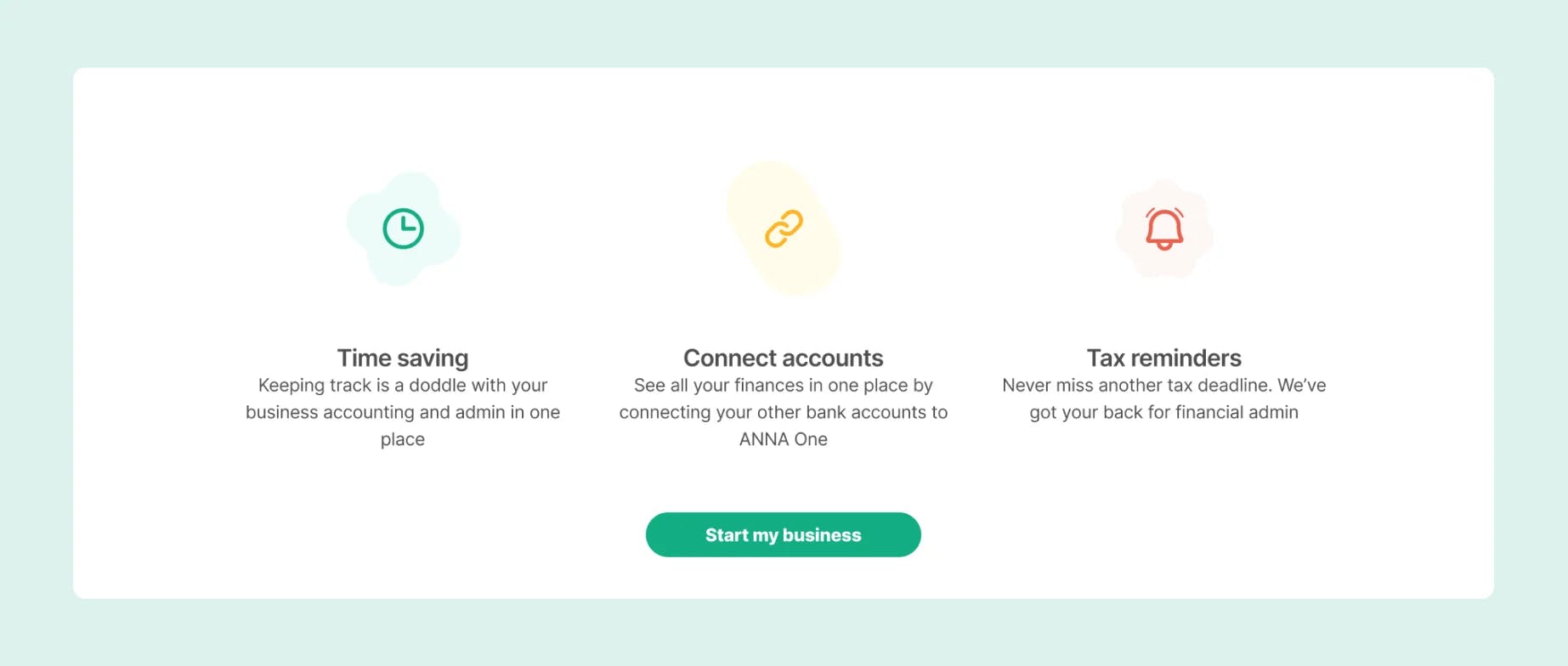
ANNA is the perfect tool for startups, freelancers, and small business owners in Australia who are looking for a no-fuss, all-in-one solution for company registration, taxes, bookkeeping, and invoicing.
It’s designed to take the stress out of business administration so you can focus on building your dream.
If you have any questions, award-winning, 24/7 support with account specialists is available whenever needed.
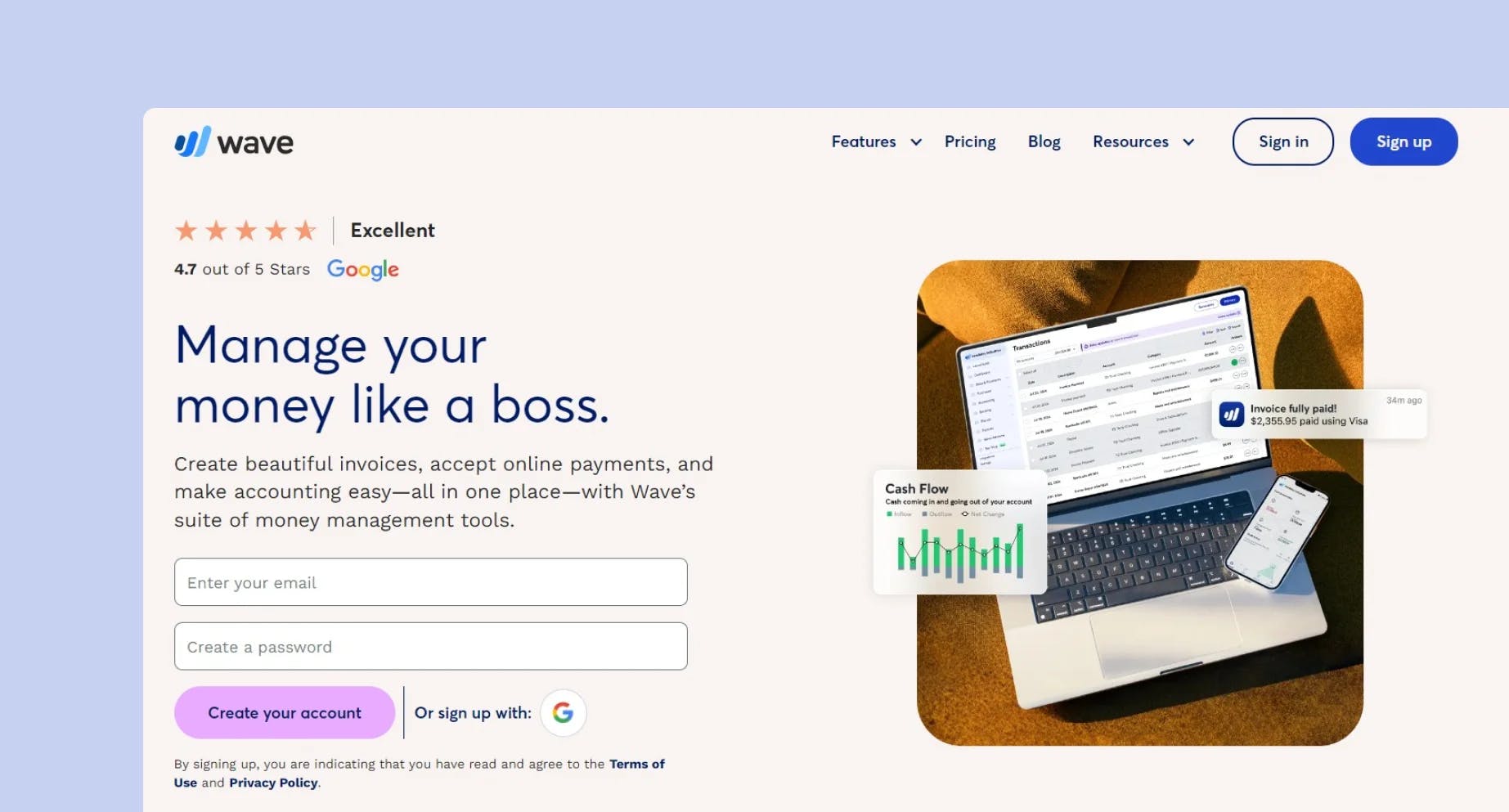
Wave is a free accounting tool tailored for small businesses and startups that are just getting off the ground.
It offers features like expense management, invoicing, and bank reconciliation, all without the price tag.
Available as a web app and on mobile (Android and iOS), Wave is a great solution for businesses looking to manage their finances without spending a dime.
Freelancers, independent contractors, and small business owners looking for a budget-friendly, no-cost accounting solution that still delivers core features.
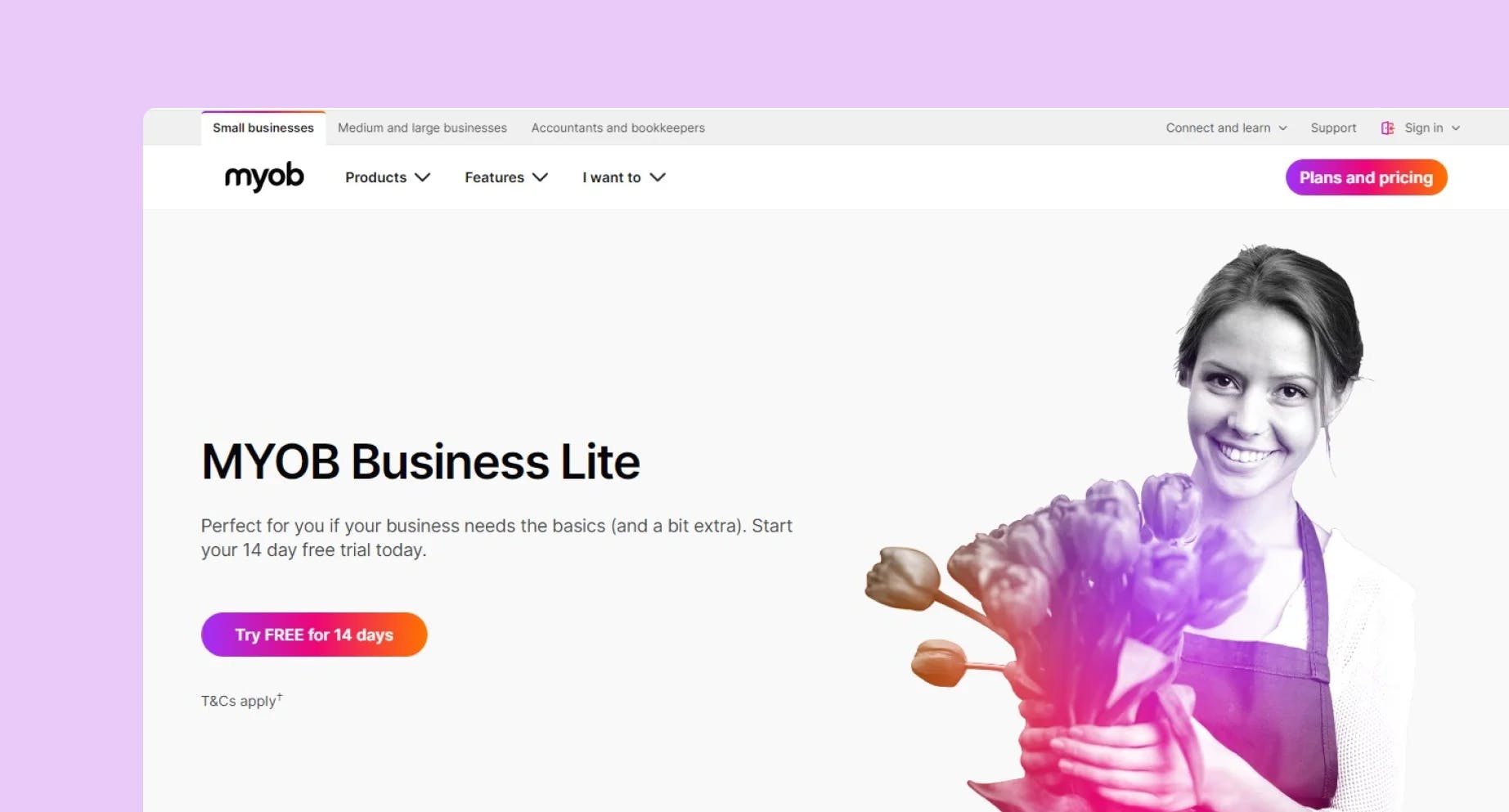
MYOB has been a household name in accounting software for years. Designed to cater to businesses of all sizes, it is especially valuable for those planning to scale.
Its strengths lie in its flexibility and scalability, making it an excellent fit for businesses that expect to grow in complexity over time.
While MYOB is powerful for businesses expecting to grow, it does have a few limitations:
Businesses that expect to grow or already deal with complex accounting requirements, such as those in retail, manufacturing, or services, can use MYOB, which offers the ability to scale seamlessly as operations expand.
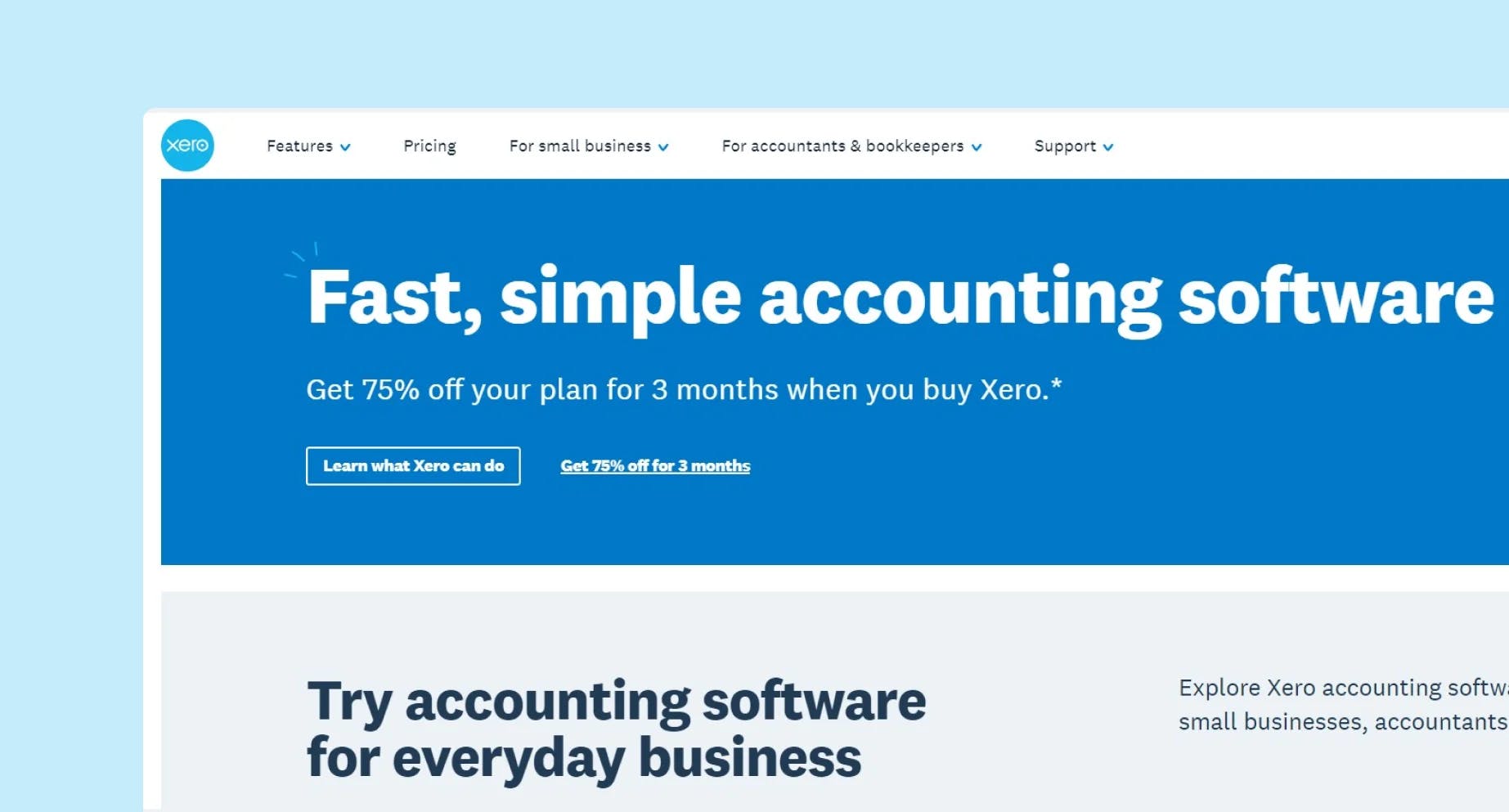
Xero is one of the most popular accounting software solutions for small businesses, especially in Australia. With a clean, intuitive interface and excellent integration with third-party apps, Xero offers flexibility and ease of use.
The lower-tier pricing plans come with limitations, such as restricting the number of invoices and bills you can issue per month.
Additionally, Xero lacks built-in payroll and advanced forecasting tools without using integrations.
Small businesses in need of straightforward accounting tools with excellent integration capabilities. Freelancers, consultants, and businesses with a limited number of employees will find Xero especially useful.
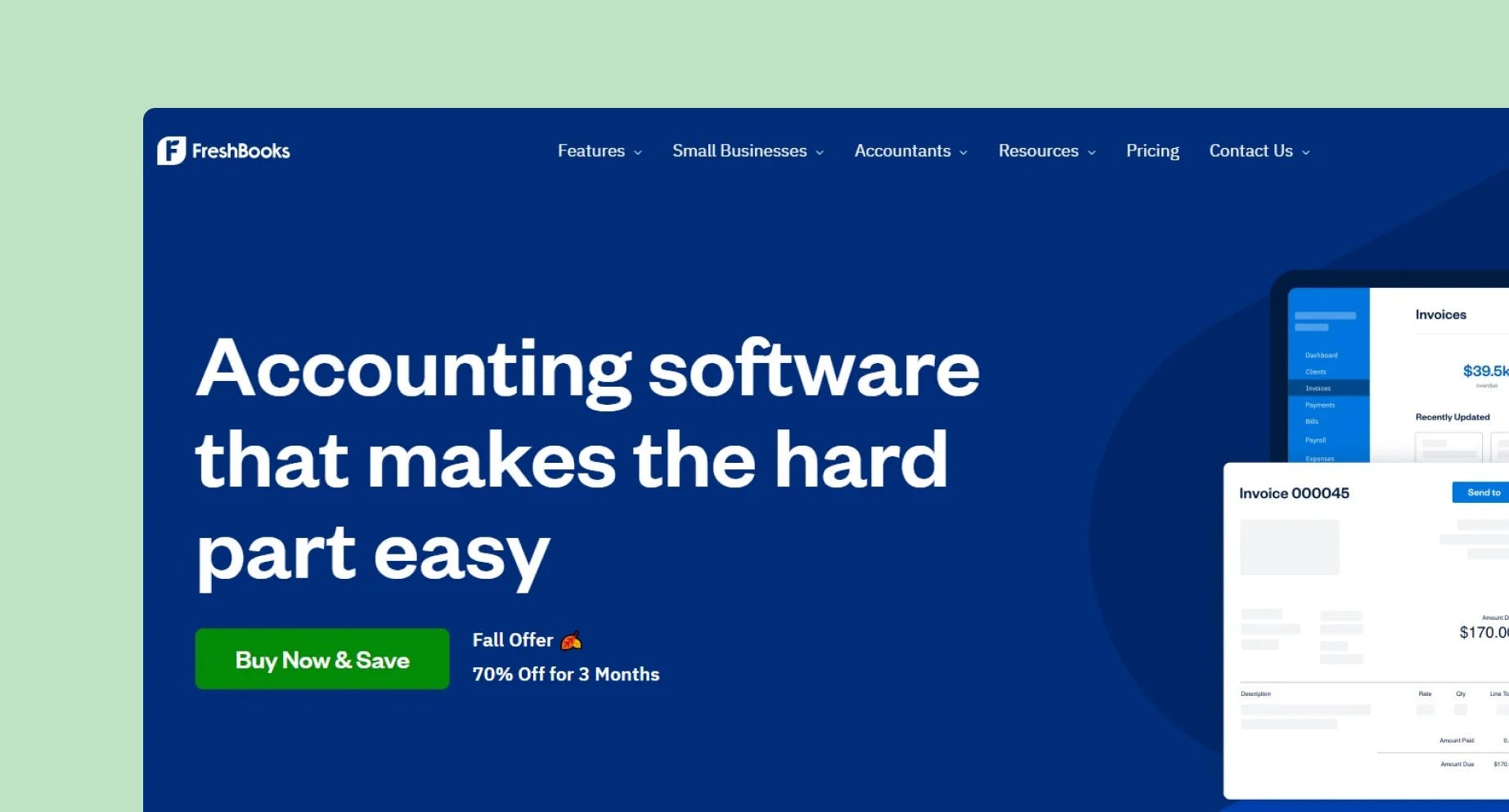
FreshBooks is a cloud-based accounting solution tailor-made for freelancers, consultants, and solo entrepreneurs. It simplifies accounting, particularly for service-based businesses where time tracking and project billing are crucial.
FreshBooks is excellent for small businesses or sole traders but lacks more advanced accounting features such as payroll, inventory management, or robust financial reporting that larger or growing businesses might require.
Freelancers, consultants, and small service-based businesses looking for a user-friendly, no-fuss solution to handle basic accounting needs.
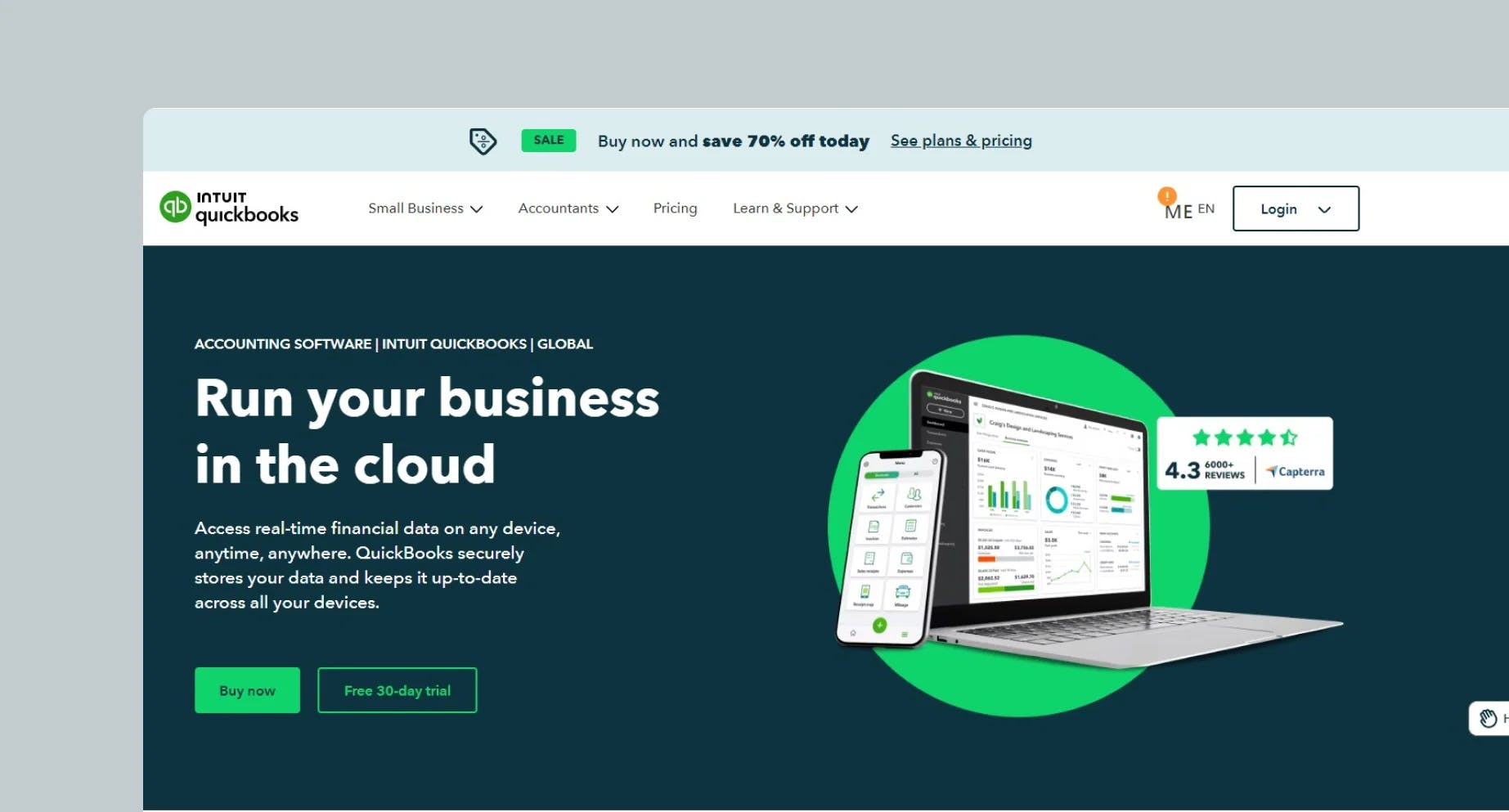
QuickBooks is known for its comprehensive feature set, which makes it a top choice for small businesses that need more than basic accounting tools. With a strong focus on inventory management and cash flow forecasting, it offers something for businesses across a variety of industries.
QuickBooks can have a steep learning curve for those unfamiliar with accounting or bookkeeping. Additionally, the cost can quickly escalate with the addition of features and extra users, making it less budget-friendly for smaller operations.
Small businesses with complex inventory needs or those requiring comprehensive cash flow management. Retailers, wholesalers, and e-commerce businesses will benefit most from QuickBooks’s robust feature set.
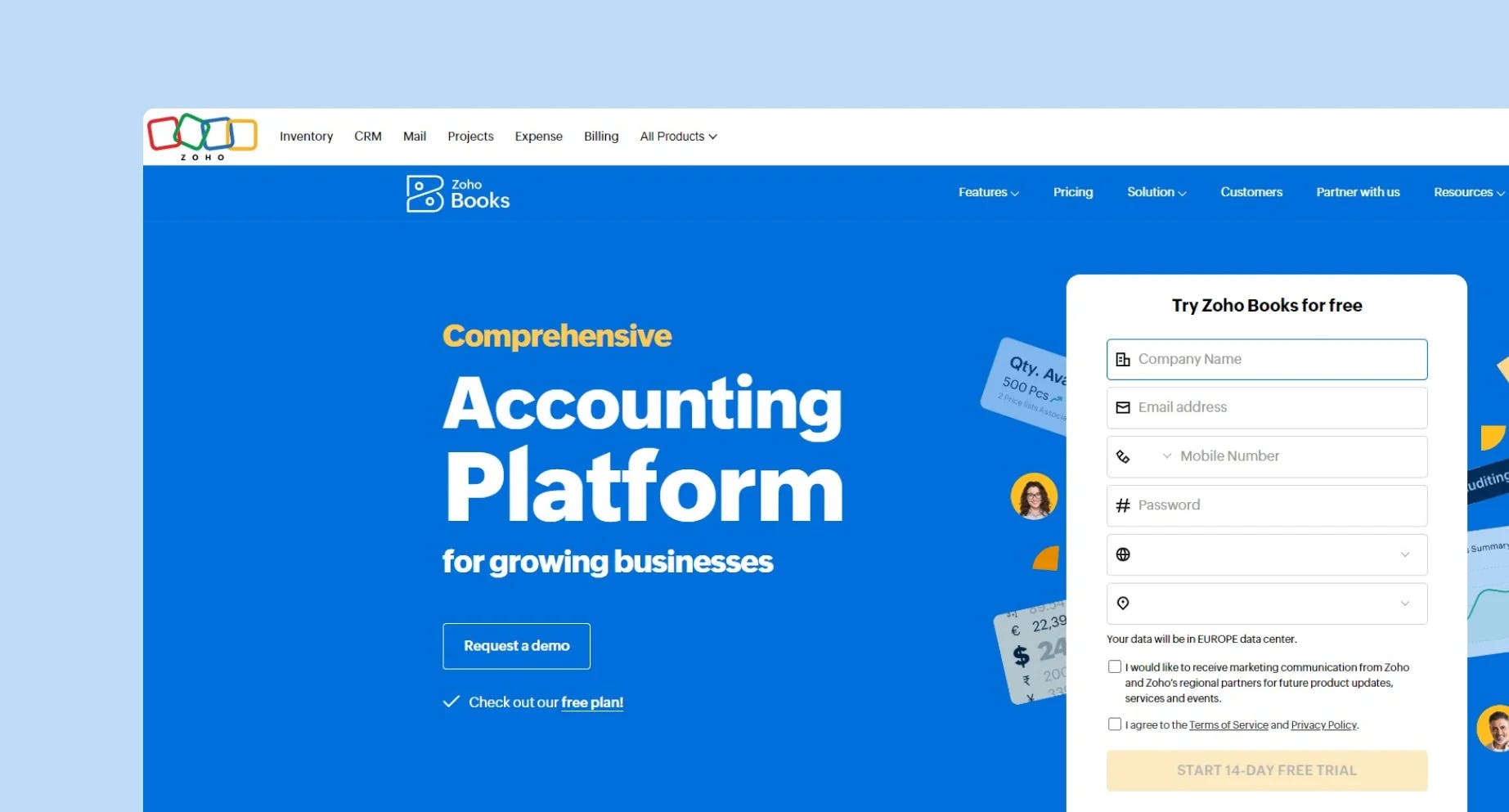
Zoho Books is a part of the larger Zoho ecosystem, which includes CRM, project management, and HR tools. This makes it an excellent option for businesses already using Zoho products, as it integrates seamlessly across various business operations.
While Zoho Books offers a comprehensive set of features, it might not be as intuitive or user-friendly as some of its competitors. Additionally, advanced accounting features such as payroll require third-party add-ons.
Tech-savvy businesses or those already using Zoho applications. Small businesses that want an all-in-one solution for accounting, CRM, project management, and HR would find Zoho Books a valuable addition to their tech stack.
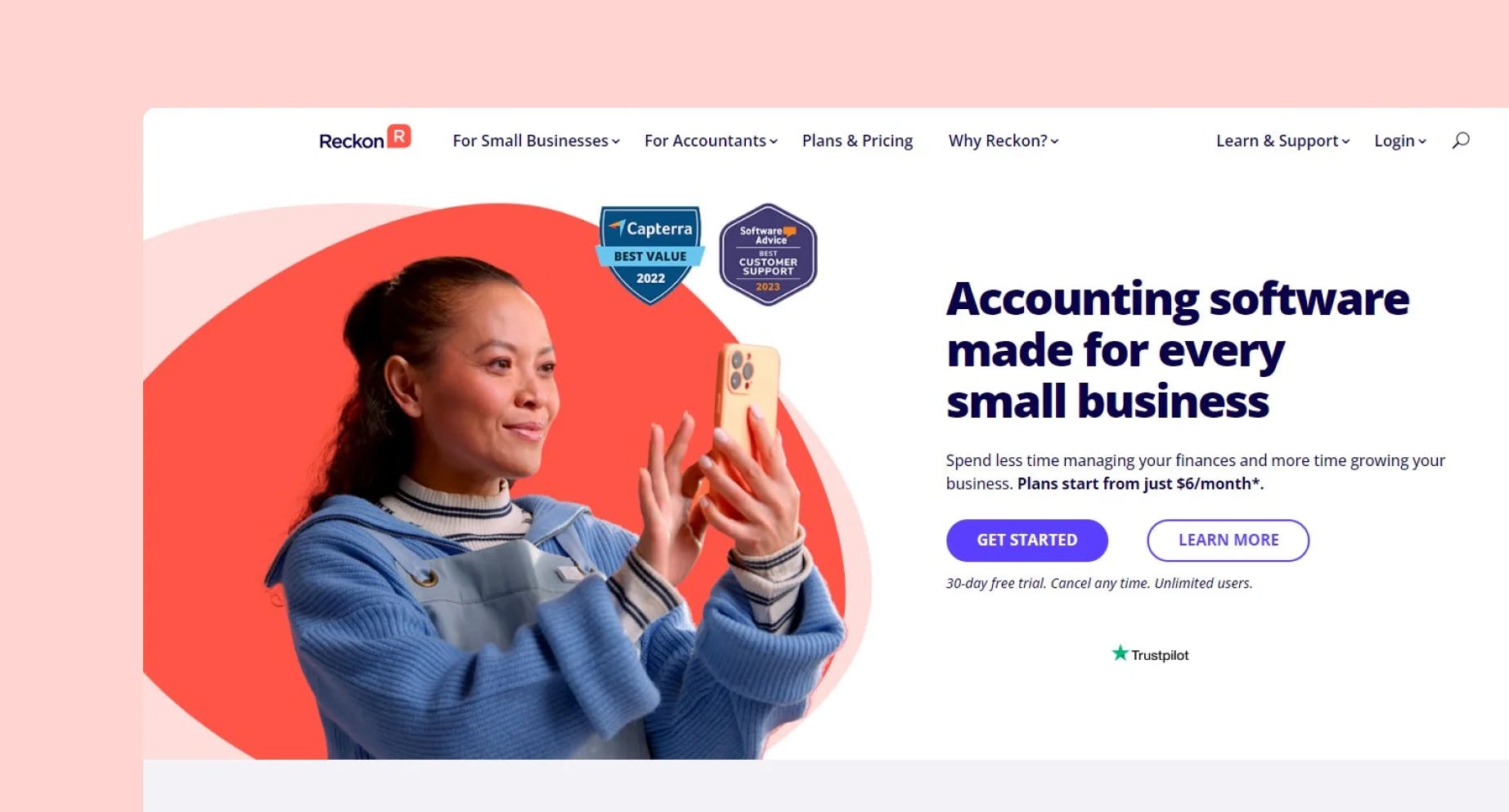
Reckon offers a simplified and budget-friendly approach to accounting for small businesses. With essential features such as income monitoring, expense tracking, and budget forecasting, Reckon is ideal for startups and sole traders needing basic accounting functionality.
While Reckon is affordable and simple, it lacks the scalability and advanced features of larger platforms like MYOB or Xero. As a result, it may not be suitable for businesses expecting to grow or requiring more comprehensive reporting and management tools.
Small businesses or sole traders with limited budgets and simple accounting needs. It’s a solid entry-level tool but may need to be replaced as a business grows.
Choosing the right accounting software for your small business can be a game-changer. From saving time to simplifying finances, it’s about finding a tool that fits your needs today and can grow with you tomorrow.
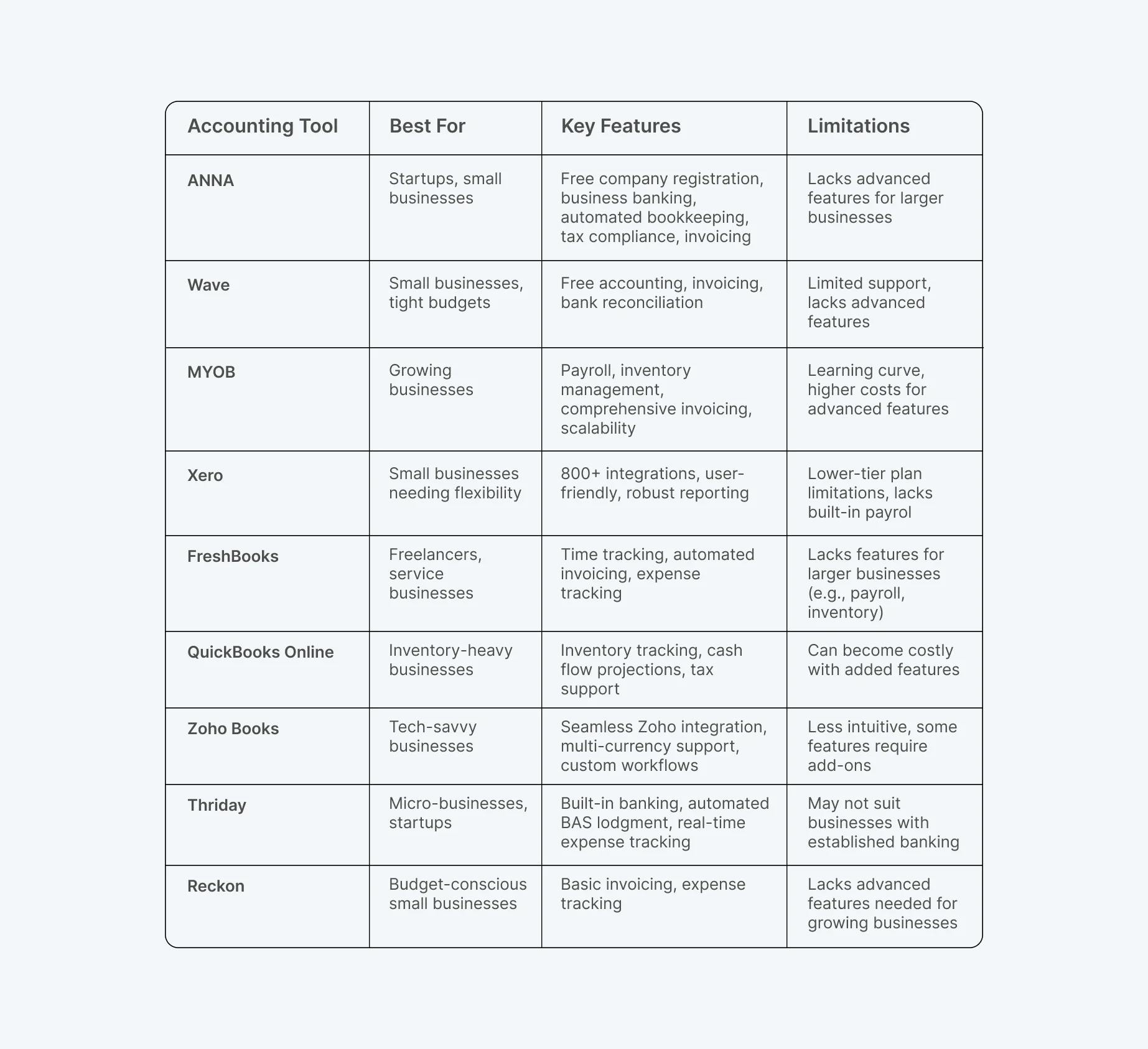
* Prices may vary; for that reason, they are not included.
ANNA stands out because it’s more than just accounting software – it’s a complete financial toolkit designed to make business management stress-free.

Unlike other platforms that offer great features but may require you to juggle multiple tools, ANNA keeps everything in one place – company registration, bookkeeping, invoicing, tax management, and even a business bank account.
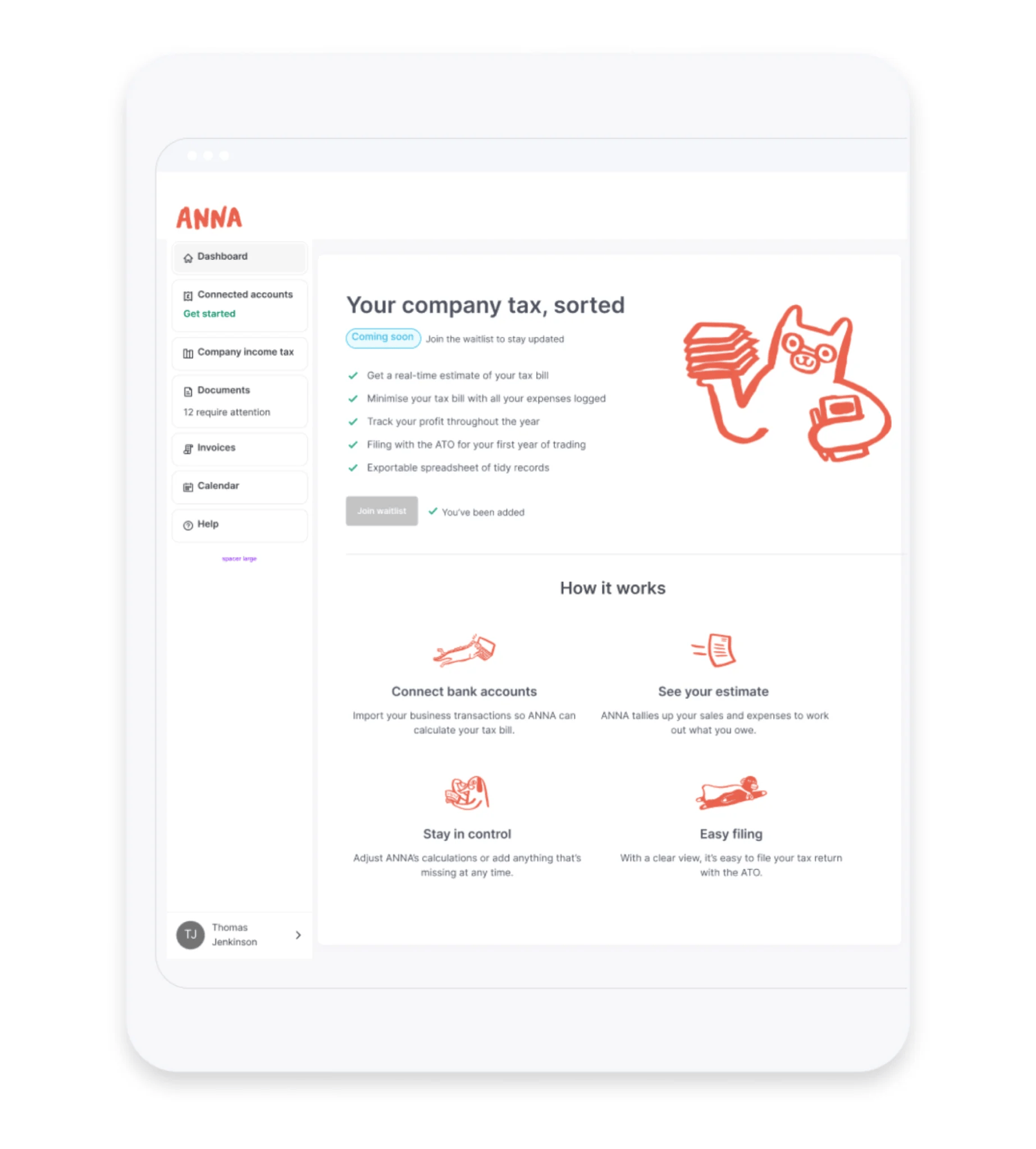
No need for advanced accounting skills – ANNA takes care of the details, so you don’t have to.
For entrepreneurs looking to get off the ground or small business owners ready to streamline their operations, ANNA provides a complete, user-friendly system that makes managing your business finances easier than ever.
So, why wait? Sign up today!
Register a business with ANNA and sign up for free - ANNA covers the incorporation fee for you
Register a business today
.svg)