
Explore the challenges of doing business in Australia and discover practical solutions, from navigating regulations to addressing operational costs.
Australia is an appealing destination for businesses, offering a stable economy, skilled workforce, and proximity to Asia’s booming markets.
Transparent regulations and competitive tax incentives make it seem like an easy place to start or grow a business.
However, beneath the surface of this business-friendly reputation, Australia has its own complexities that can trip up newcomers.
In this guide, we’ll break down the key challenges of doing business in Australia to help you navigate the process with clarity, even if you're unfamiliar with the local business environment.
When talking about the challenges of doing business in Australia, let’s start with the basics first:
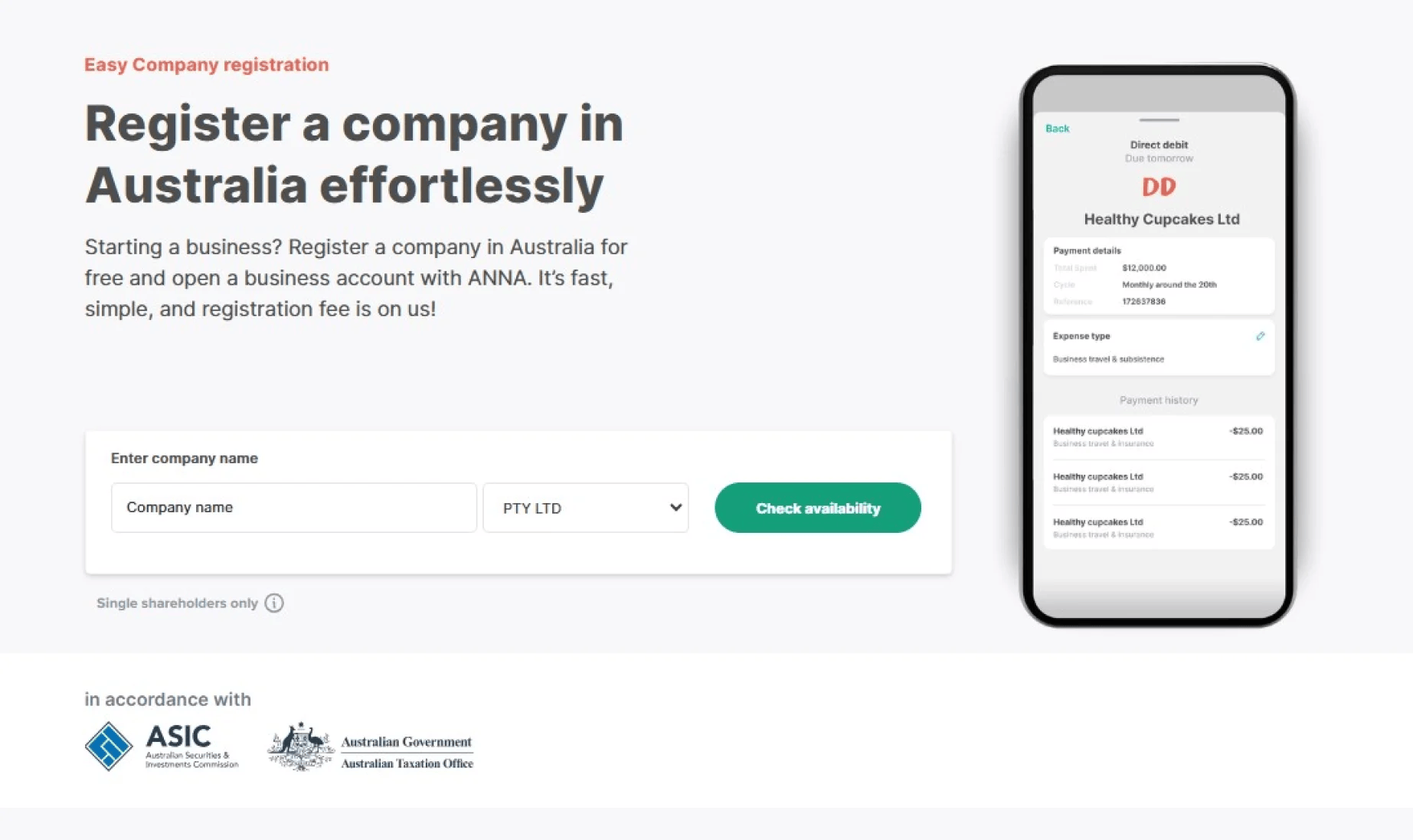
Registering with the Australian Securities and Investments Commission (ASIC) is the first step to operating your business legally.
This process includes submitting ASIC Form 201, which assigns your business a unique Australian Company Number (ACN).
You’ll also need to register for an Australian Business Number (ABN) through the Australian Taxation Office (ATO).
After that, choosing the right business structure (sole trader, company, trust, or partnership) can be tricky, as each comes with unique tax, compliance, and liability implications.
For instance, if you are running an online business, you might think registering as a sole trader is easiest.
However, registering as a company would offer limited liability if you want to attract investors or protect personal assets.
Meanwhile, a partnership might work if you share responsibilities with others, though it involves joint liability.
After completing incorporation, the next step for many businesses is securing the necessary permits, especially if you plan to establish a physical presence.
If your business involves building a facility or modifying an existing property, you’ll need to navigate 11 procedures, including multiple inspections by local authorities.
These steps ensure compliance with building codes and safety standards but can delay projects if not managed properly.
For example, if you’re a cafe owner planning to add an outdoor seating area, you may need approval for structural changes and additional safety inspections. Potential delays in securing permits could push back the grand opening.
Once construction permits are in place, setting up utilities becomes the next critical task, requiring careful planning and coordination.
Getting utilities like electricity for a business property is more complex than for a residential setup. It involves completing forms such as the CT Metering Form and arranging internal wiring inspections.
Keep in mind that the entire process can take up to 75 days.
For instance, a small manufacturing unit requiring high-voltage electricity might face delays if the internal wiring doesn’t meet compliance standards. This could stall production schedules and lead to unforeseen costs.
With utilities sorted, the focus often shifts to securing adequate funding – a step critical for business sustainability.
Securing funding is a critical step, and while Australia’s financial services sector offers various loans and venture capital options, eligibility criteria can be strict.
If your business falls into the innovation sector, you may qualify for government incentives like R&D tax offsets.
For example, if you have a tech startup developing AI software, you could benefit from an R&D tax offset.
This will provide up to 18.5% on eligible research expenditures.
However, it pays to check whether your business activities qualify, and you must document your activities thoroughly to prove your eligibility.
As your funding is secured, attention naturally turns to tax compliance, an area where many businesses face challenges.
Australia’s tax system includes multiple layers, such as federal and state taxes. Businesses face corporate income tax (30% or 25% for smaller businesses), Goods and Services Tax (GST), and payroll taxes.
So, it’s no wonder that understanding exemptions and transfer pricing rules for international operations can be overwhelming.
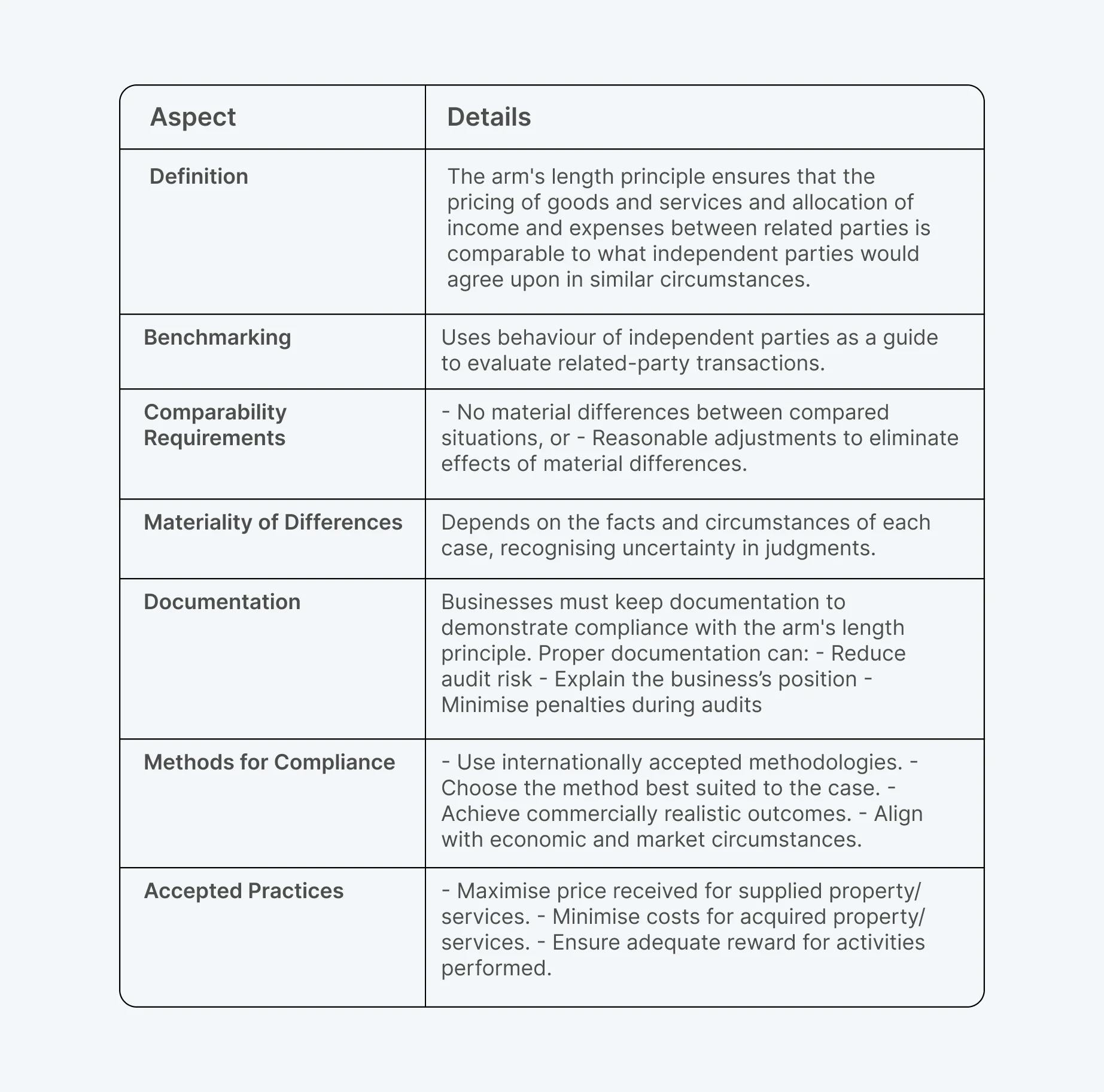
For instance, if you’re a retailer importing goods from overseas, you must comply with GST on the imported goods and ensure transfer pricing policies meet arm’s length standards.
Without proper documentation, you risk penalties during tax audits.
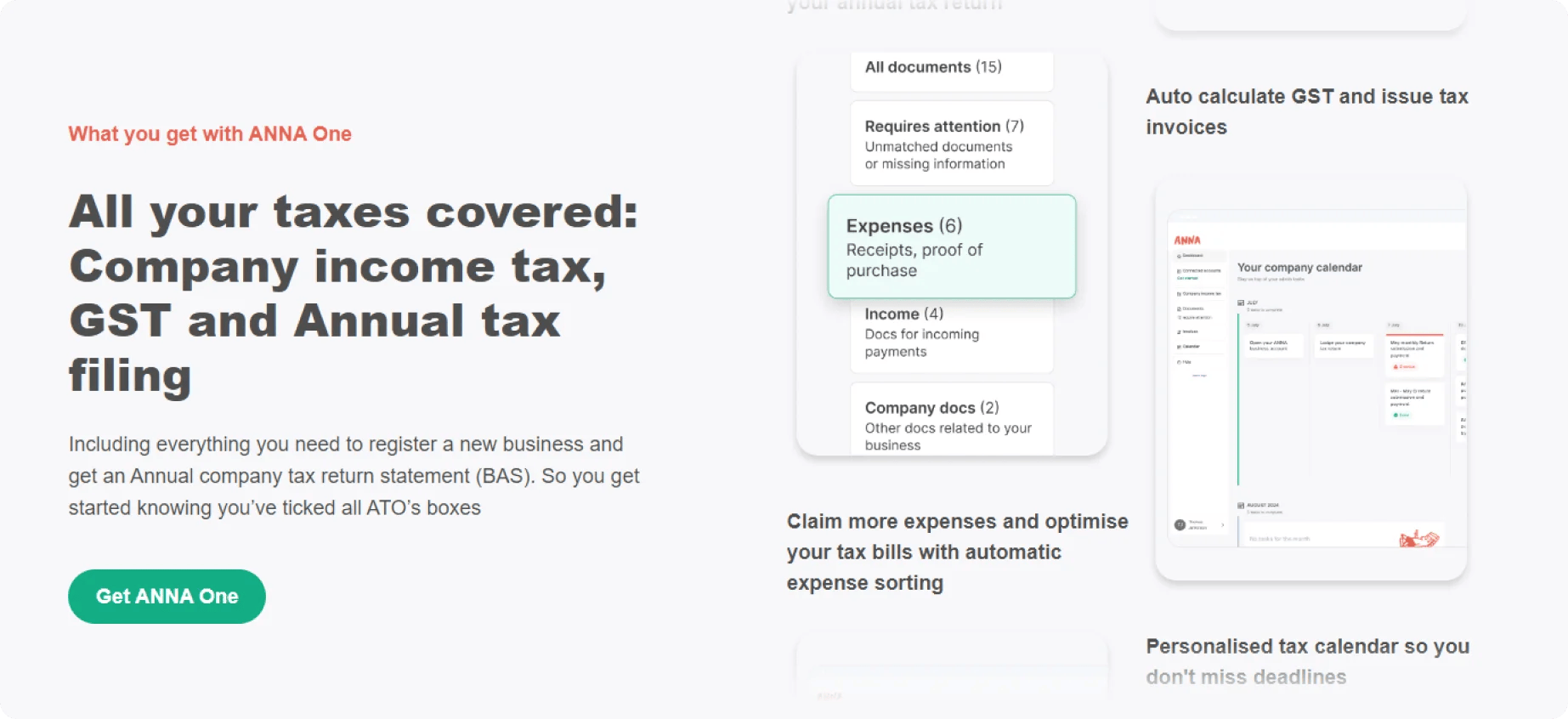
Stay on top of your taxes effortlessly with ANNA's tools and expert support:
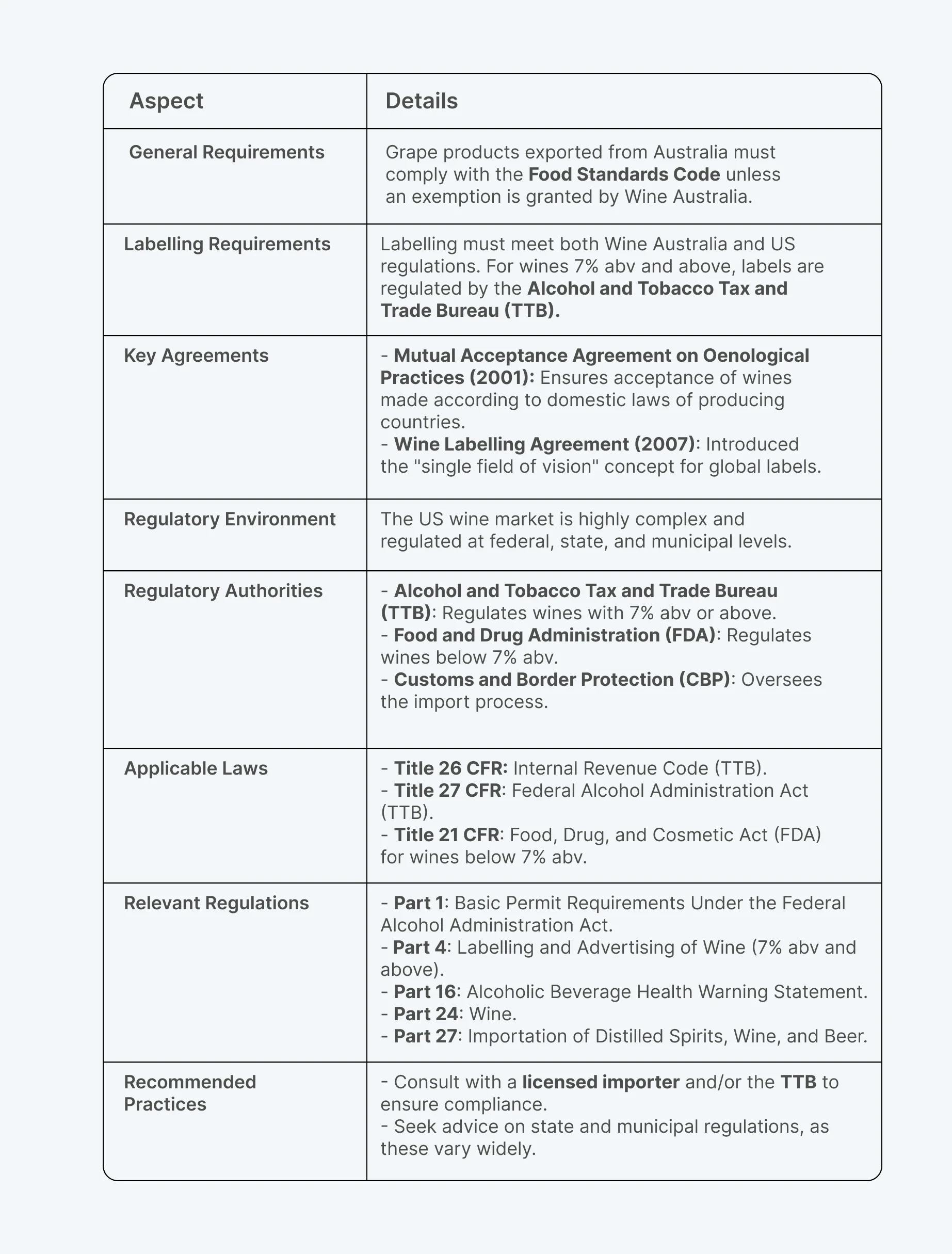
Proper documentation is crucial to ensure smooth cross-border trade, avoid shipment delays, and comply with customs regulations.
Trading across borders requires documentation for compliance with customs, product certifications, and import/export regulations. So, make sure that missing paperwork doesn’t delay shipments or result in penalties.
Take the example of an exporter of wine to the U.S. They must provide detailed records about the wine's origin, quality certifications, and proper labelling.
Ultimately, failing to meet these requirements could result in customs clearance issues.
With operational processes like trade in place, understanding Australia’s cultural and market dynamics is key to building lasting business relationships.
Australia’s small but affluent market has unique consumer behaviours and preferences. So, understanding local dynamics is essential for successful market entry and long-term growth.
When Starbucks entered the Australian market, it encountered a unique coffee culture that favoured independent cafés over large chains.
This preference led to significant financial challenges for the company, resulting in losses of approximately $105 million within the first seven years.
Consequently, Starbucks closed around 70% of its underperforming locations, leaving only 23 stores nationwide.
The Starbucks experience in Australia shows the importance of humility, curiosity, and adaptability for global brands. Success in one market doesn’t always translate to another. Thus, thriving requires moving beyond assumptions and deeply understanding the preferences and values of local consumers.
While understanding market dynamics helps you establish a foothold, ensuring you navigate the legal system efficiently is equally important.
Australia’s legal system is efficient but requires familiarity with processes for resolving disputes, enforcing contracts, and managing insolvency issues. Not knowing the legal landscape can leave your business vulnerable.
A supplier dispute over late payments may escalate to legal action. For instance, if you haven’t outlined clear payment terms in contracts, you could face prolonged litigation and strained relationships with key partners.
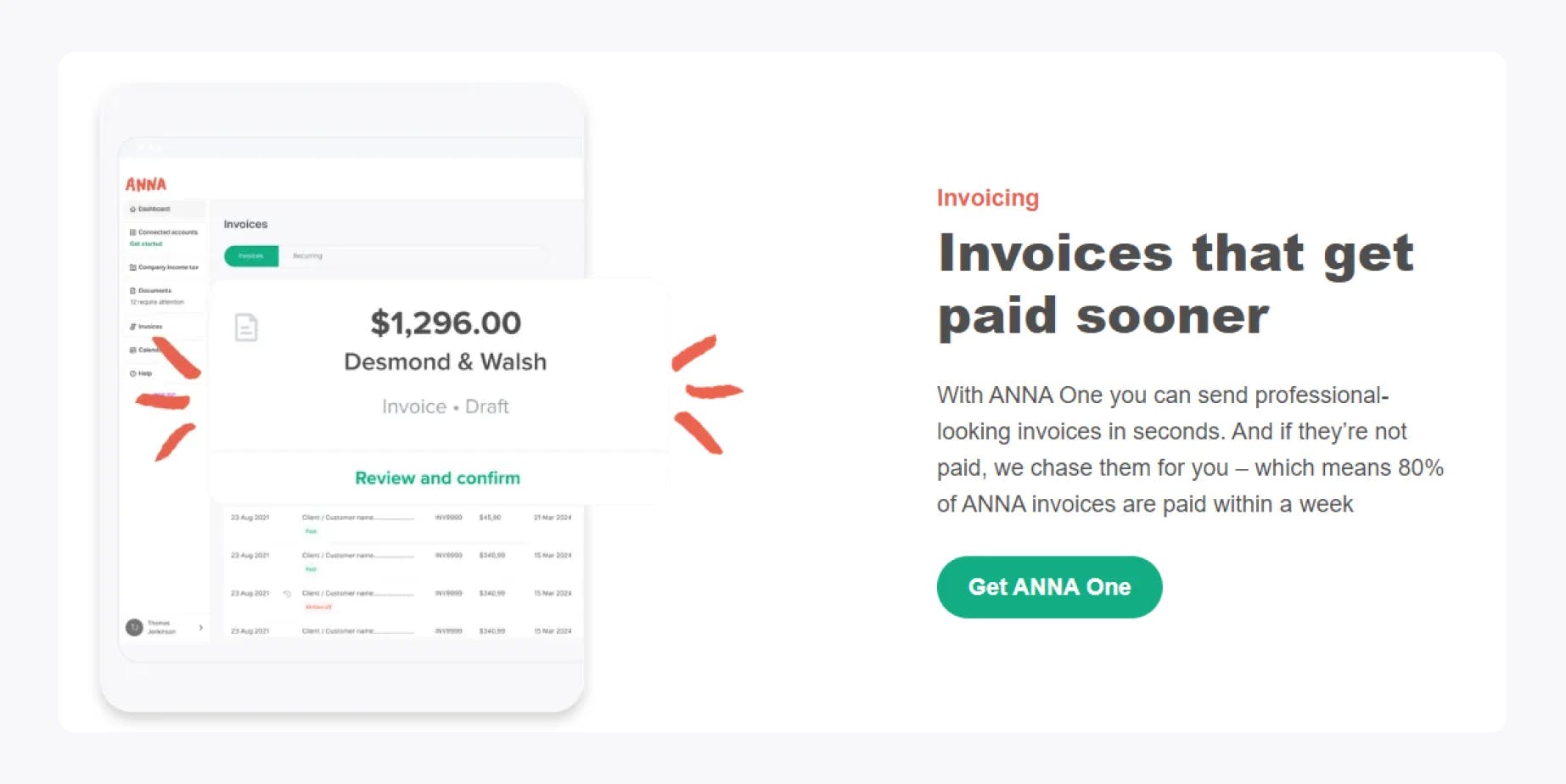
With ANNA One, creating professional invoices takes just seconds.
If a payment is delayed, ANNA follows up automatically, ensuring that 80% of invoices are paid within a week!
Beyond legal compliance, safeguarding your business against data breaches is critical in Australia’s tightly regulated privacy environment.
Under the Notifiable Data Breaches (NDB) scheme, businesses must report breaches involving personal information that could cause harm. Non-compliance can result in heavy penalties and damage to your reputation.
For instance, a retailer experiencing a cyberattack where customer credit card details were exposed must report the breach to affected customers and the Office of the Australian Information Commissioner (OAIC). Failing to act swiftly could result in legal consequences and lost consumer trust.
As data protection safeguards your operations, complying with environmental and social requirements is equally vital to align with Australian regulations and consumer expectations.
Australia’s Environmental, Social, and Governance (ESG) requirements are fragmented across federal and state jurisdictions.
Businesses with over A$100 million in annual revenue are also required to submit modern slavery statements, which detail their actions to mitigate slavery risks in operations and supply chains.
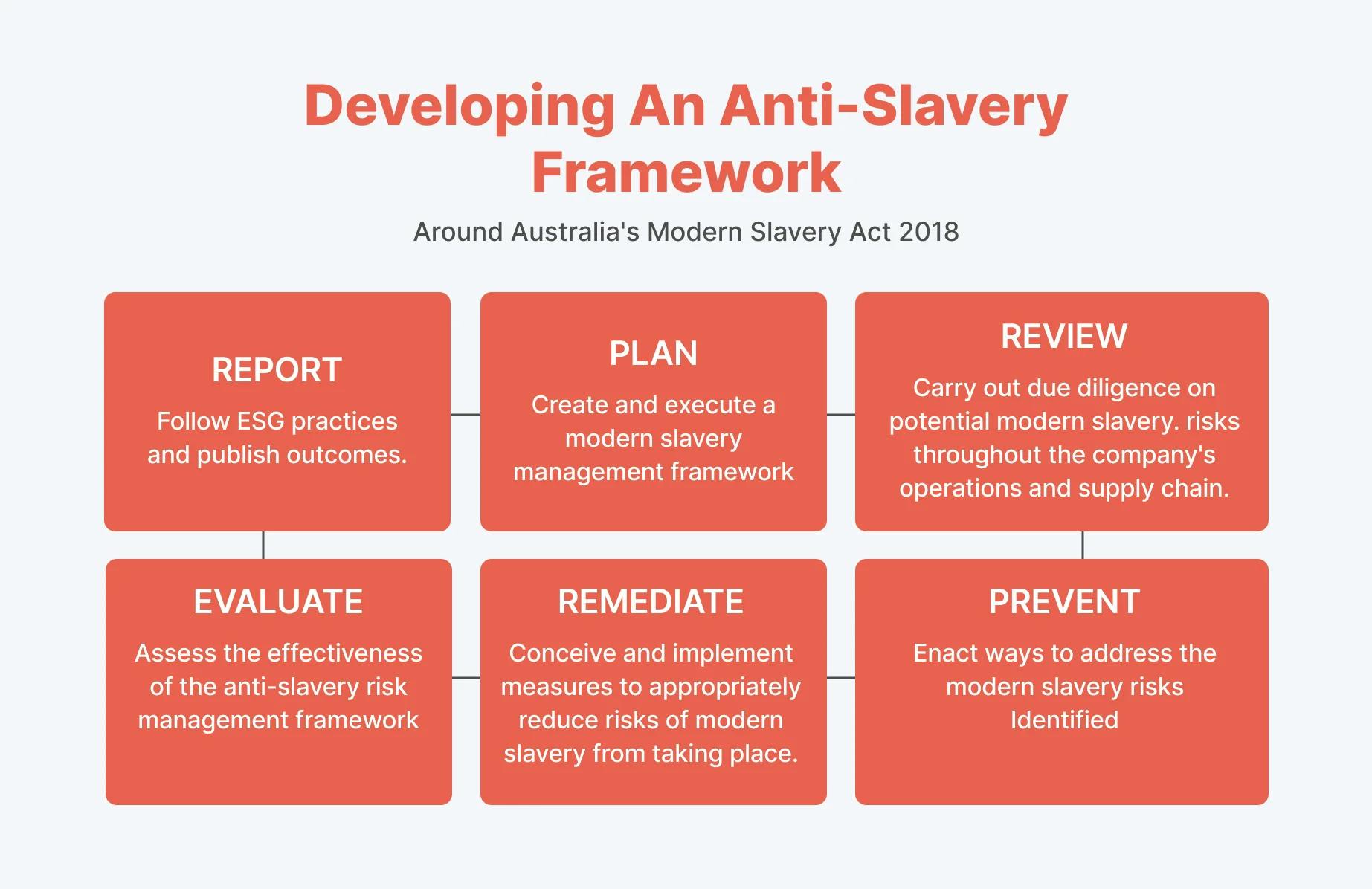
A large retailer earning over A$100 million annually must ensure its suppliers meet labour standards and document its due diligence efforts. Failure to comply could lead to fines and reputational damage, impacting both profitability and stakeholder trust.
Starting or expanding a business in Australia offers exciting opportunities, but it also involves overcoming the unique challenges of doing business in Australia.
Taking advantage of best practices and learning from real-world examples can help you navigate these obstacles with confidence.
ANNA equips your business with everything you need to start and operate smoothly, ensuring professionalism and compliance from day one.
Here’s how:
Ready to start your business journey?
Sign up and let ANNA handle the details so you can focus on growing your dream business.
Register a business with ANNA and sign up for free - ANNA covers the incorporation fee for you
Register a business today
.svg)