
Learn how to change from a company to a sole trader and understand the process, benefits, and key considerations for making the transition.

Have you ever wondered if transitioning from a company to a sole trader could be the right move for you?
It may sound complicated, but it’s actually quite straightforward.
While a sole trader structure offers full control and simplicity, it also exposes personal assets to business liabilities.
So, what should you do?
In this article, you will learn how to smoothly change from company to sole trader and what are the benefits of that decision.
Let’s start!
A sole trader is the most basic type of business structure and is relatively straightforward and affordable to set up.
This business structure:
Let’s check out 5 easy steps to transition to sole trader structure!
When changing from a company to a sole trader, the first and most important step is to settle all debts and obligations.
It includes:
Besides the mentioned debts, it is equally important to finalize employee entitlements:
We recommend you consult your accountant or financial advisor for a thorough review of all financial responsibilities so you can prevent future legal issues.
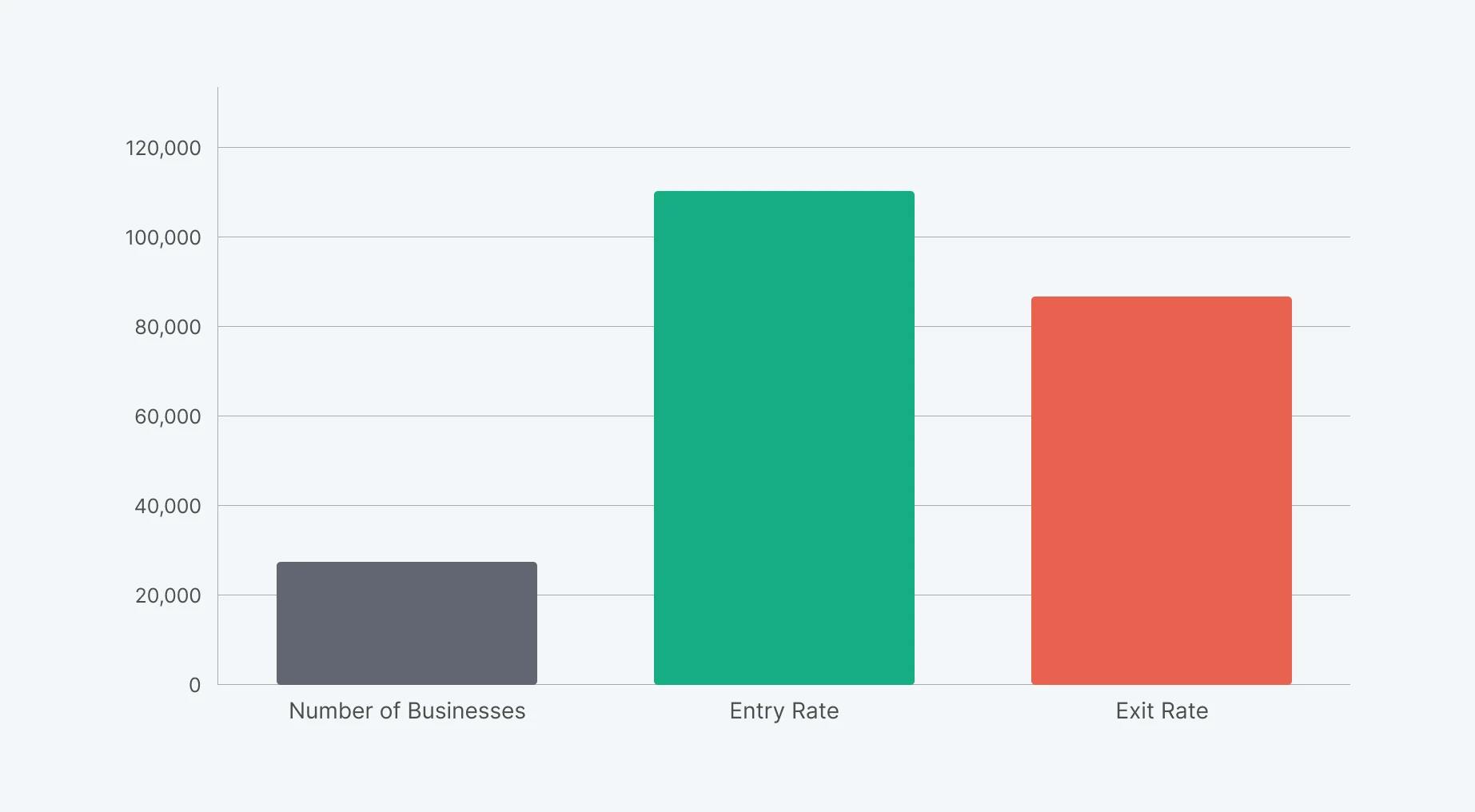
Did you know that in the March 2024 quarter alone, there were 84,351 business exits in Australia, which also included deregistered companies?
The moment you deregister the company, it will no longer be a legal entity.
Keep in mind that, even if the company is no longer trading, you will have to comply with all legal requirements that apply to the company, which includes paying the annual review fee.
You can deregister your company with ASIC for $47, but before applying for the voluntary deregistration of a company, make sure that it:
Remember that all company members have to agree to deregister, and the assets must be worth less than $1000.
Follow these steps:
Remember that the application fee will be invoiced after submission and you have to pay it within 28 days.
If you fail to pay the fee in this timeframe, your application will lapse, and you will have to submit it again.
Choose online submission to ensure timely receipt and processing of your application, so you can avoid additional costs.
If your company’s annual review fee is approaching, make sure that ASIC receives and processes your deregistration application at least two weeks before the due date.
If not processed in time, you will have to pay the annual review fee in full, even if the company is inactive.
But, if you still don't want to send the form online, you can do it offline.
Follow the next steps:
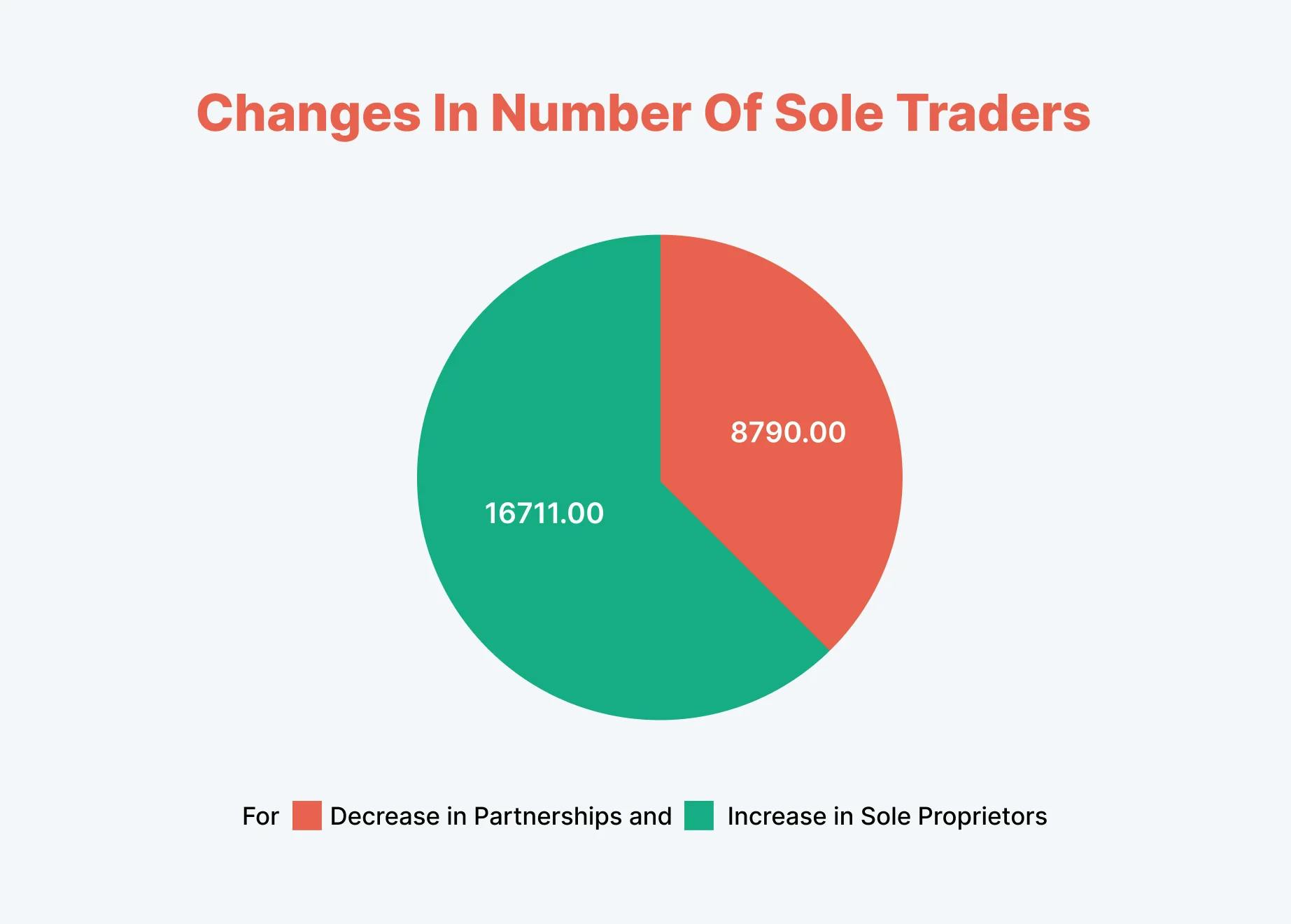
Australia had 784,744 sole traders as of June 2023.
This figure indicates a 2.2% (16,711) rise over the previous year, indicating a growing trend of individuals choosing sole trader structure over other business formats.
To get started as a sole trader in Australia, follow these key steps:
For you as a sole trader, none of these things are mandatory, except for the TFN number.
However, each of them has its own benefit and reason why you should still obtain them.
Without a TFN, your banking institution must withhold additional tax from payments they make to you.
Without a TFN, you can't:
Registering for a TFN is a required step in launching any type of business.
The good thing about sole traders is that you can use your individual TFN.
You don’t have to register for an ABN, but doing so is free and makes managing your business easier, especially when registering for other taxes.
For example, if you need to register for GST now or in the future, you must apply for an ABN first.
If you don’t have ABN, businesses must withhold 47% of their payments to you for tax purposes.
If you plan to trade under your personal name, for example, Alex Smith, you only need to apply for an Australian Business Number (ABN).
However, if you plan to use a business name different from your personal name, you must register it with ASIC.
This allows you to operate your business across any state or territory in Australia.
Even if you are adding something to your personal name, such as Alex Smith Consulting, you must register it as the business name.
Registering allows you to reclaim the GST paid on certain goods and services used in your business operations.
Of course, it is difficult to predict your company's revenue, especially as a sole trader.
So, if you are not registered for GST, you should monitor your monthly turnover to see if you have achieved or are about to surpass the GST threshold of $75.000.
If your turnover exceeds the GST threshold, you must register within 21 days after reaching it.
When you make changes to the company, such as your business structure, name, or contact details, you must notify relevant agencies and organizations, in addition to stakeholders.
You have to notify ATO and ABR, about the following changes within 28 days:
When changing from a company to a sole trader, you can’t use the company’s bank account.
If you operate as a sole trader, you don’t have to open a separate business bank account.
Instead, you can use your own.
See?
Changing from a company to a sole trader doesn't have to be complicated and difficult.
If you follow the steps that we have prepared for you in this article, this transition can go much easier.
However, there is one solution that can simplify all your business-related tasks significantly.
Which one is that?
It is ANNA! ⭐

If you want to run your business from a single platform, the ANNA One package is right for you!
Who is it best for?
This package is great for those who want to:
⭐ Optimize their business operations
⭐ Manage taxes efficiently
⭐ Keep organized financial records
all while receiving expert guidance and modern financial tools!
What can ANNA One help you with?
⭐ Business document management - Store and organize receipts, invoices, and business papers in one location.
⭐ Small Business Accounting - Get automated transaction matching, key details extraction, and easy document sharing.
⭐ Automatic Tax Calculations - Stay updated with tax reporting, optimize your tax bill, and gain a clear understanding of potential tax bills based on business spending and profits.
⭐ Support from expert accountants - Get access to a friendly support team for any queries, with email support available during the early stages to assist with any questions or issues.
⭐ Bookkeeping Score - Stay on top of your bookkeeping and receive simple tips to keep your books neat.
⭐ GST and BAS calculation - Manage your annual company tax return (BAS) and GST calculations, with automatic GST calculation and direct logging with the ATO.
Create an account today and streamline your business operations! 🚀
When you submit your deregistration application on paper, ASIC may take up to two weeks, including postage, to process it and post a notification on their website.
On the other hand, they will process online applications instantly.
After they post the notice on the website, your company may be deregistered two months later. ASIC will then send you a confirmation notice to finalize the process.
If ASIC declines your application, they will inform you of the reasons behind the rejection.
For further inquiries about your application, you can reach out to ASIC directly.
Register a business with ANNA and sign up for free - ANNA covers the incorporation fee for you
Register a business today
.svg)