
Learn how to set up a sole trader business in Australia with this step-by-step guide, covering essential requirements, tips, and best practices.

Starting a sole trader business in Australia is a bold and rewarding step toward creating something of your own. It’s your chance to take your expertise, passion, or innovative idea and transform it into a successful business venture.
Operating as a sole trader is the simplest business structure in Australia.
It means you are the sole owner and decision-maker of your business.
There’s no need to navigate the complexities of shareholders, directors, or partners.
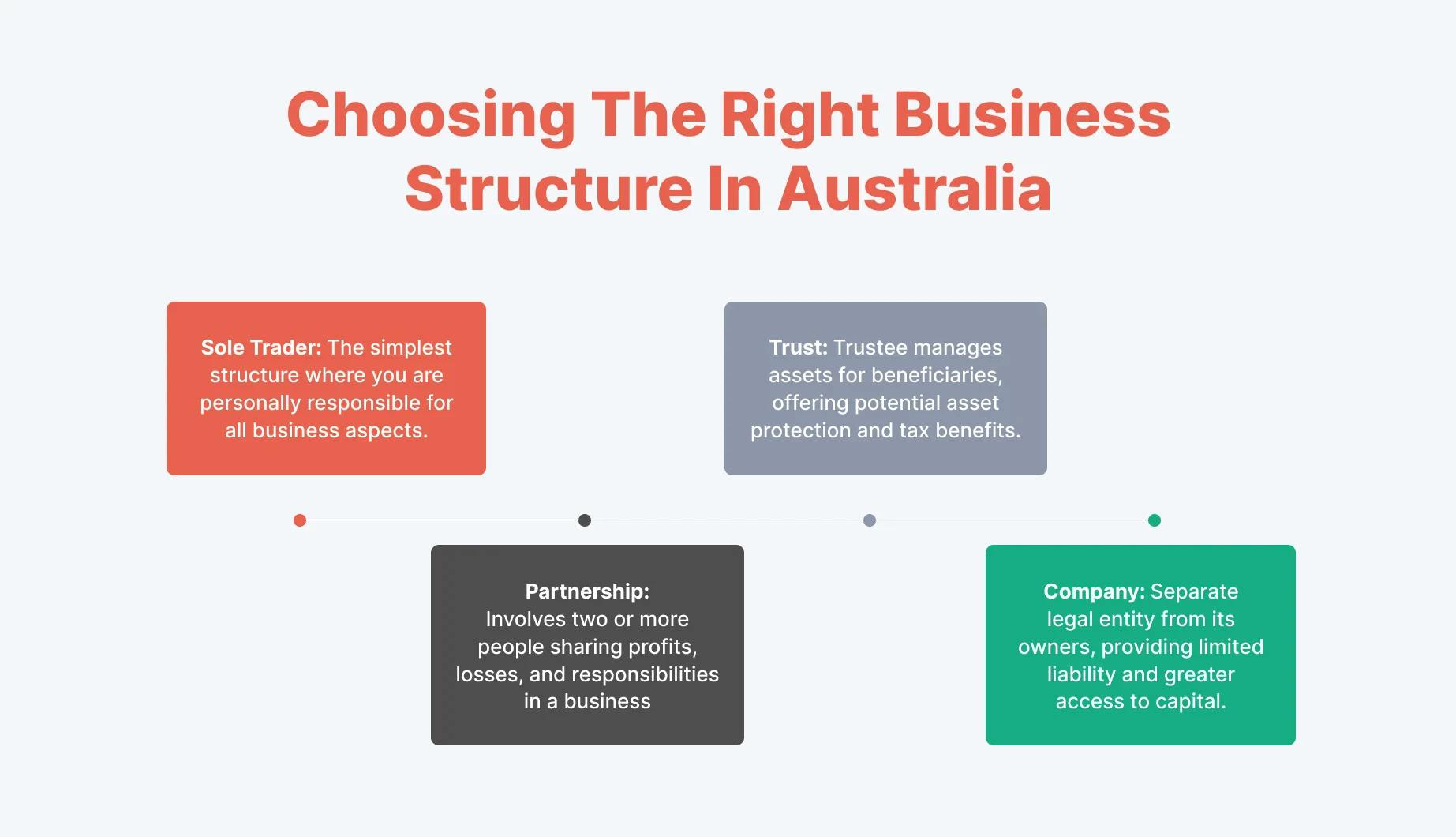
This makes it an appealing choice for freelancers, tradespeople, consultants, and small business owners starting out.
However, simplicity comes with responsibility:👇
Before committing to this business structure, ask yourself:
⚡ Do you want full control over your business? As a sole trader, you make all decisions independently, from daily operations to long-term strategies.
⚡ Are you comfortable with personal liability? Unlike a company structure, your personal assets are not separate from your business liabilities. This can be managed with the right insurance and careful financial planning.
⚡ Are you looking for a simple setup process? Sole trader businesses are quick and inexpensive to establish, with minimal ongoing compliance requirements compared to other structures.
⚡ Do you plan to operate alone? This structure is ideal for those working independently. If you foresee needing co-owners or investors, another structure might be more suitable.
⚡ Will your expected turnover remain modest? Sole trader businesses work well for small to medium-scale operations. As your business grows, transitioning to a company structure might offer better scalability.
This structure could be an excellent fit if flexibility, independence, and simplicity are your priorities. Let’s go over the process below:
Your business idea is the foundation of your sole trader venture. But it’s not enough to have an idea if it’s not practical, marketable, and aligned with your skills or expertise.
How to define your business idea:
1. Identify the problem you solve: Think about what your potential customers struggle with and how your product or service addresses that issue.
2. Assess demand: Use tools like Google Trends or industry reports to gauge interest in your offering. Consider if there’s enough demand to sustain a business.
3. Study competitors: Research other businesses offering similar solutions. Identify what they do well and where you can differentiate.
4. Define your niche: Specialising in a particular area (e.g., eco-friendly products, localised services) can help you stand out and attract a loyal customer base.
If you’re a graphic designer, instead of offering general services, you might specialise in branding for small businesses in the hospitality industry. This focus makes your services more targeted and attractive to a specific audience.
💡 If you need more inspiration, check out our blog, 10 Most Profitable Small Businesses in Australia.
Conduct surveys or interviews with potential customers to gain insights. Use free tools like Typeform or Google Forms (with Google Forms alternatives) to collect feedback or ask direct questions such as:
Analyzing this feedback will help you tailor your offerings.
A well-thought-out business plan gives your idea structure and sets clear goals for your business.
Key components of a business plan include:
💡 For more information, don’t overlook the Free Business Plan Template For Businesses in Australia.
An Australian Business Number (ABN) is essential for legally operating as a sole trader. It’s your unique identifier for tax and business dealings.
Steps to apply for an ABN:
1. Prepare Your Details: You’ll need your personal Tax File Number (TFN), business activity description, and contact details. Ensure you have accurate information about your business structure and location.
2. Online Application: Visit the Australian Business Register website and complete the online application form. Be clear and specific when describing your business activities to avoid processing delays.
3. Approval Process: Most applications are processed immediately if all the information is correct. However, some applications may require additional checks and could take longer.
Or, you can use ANNA’s simple ABN registration:
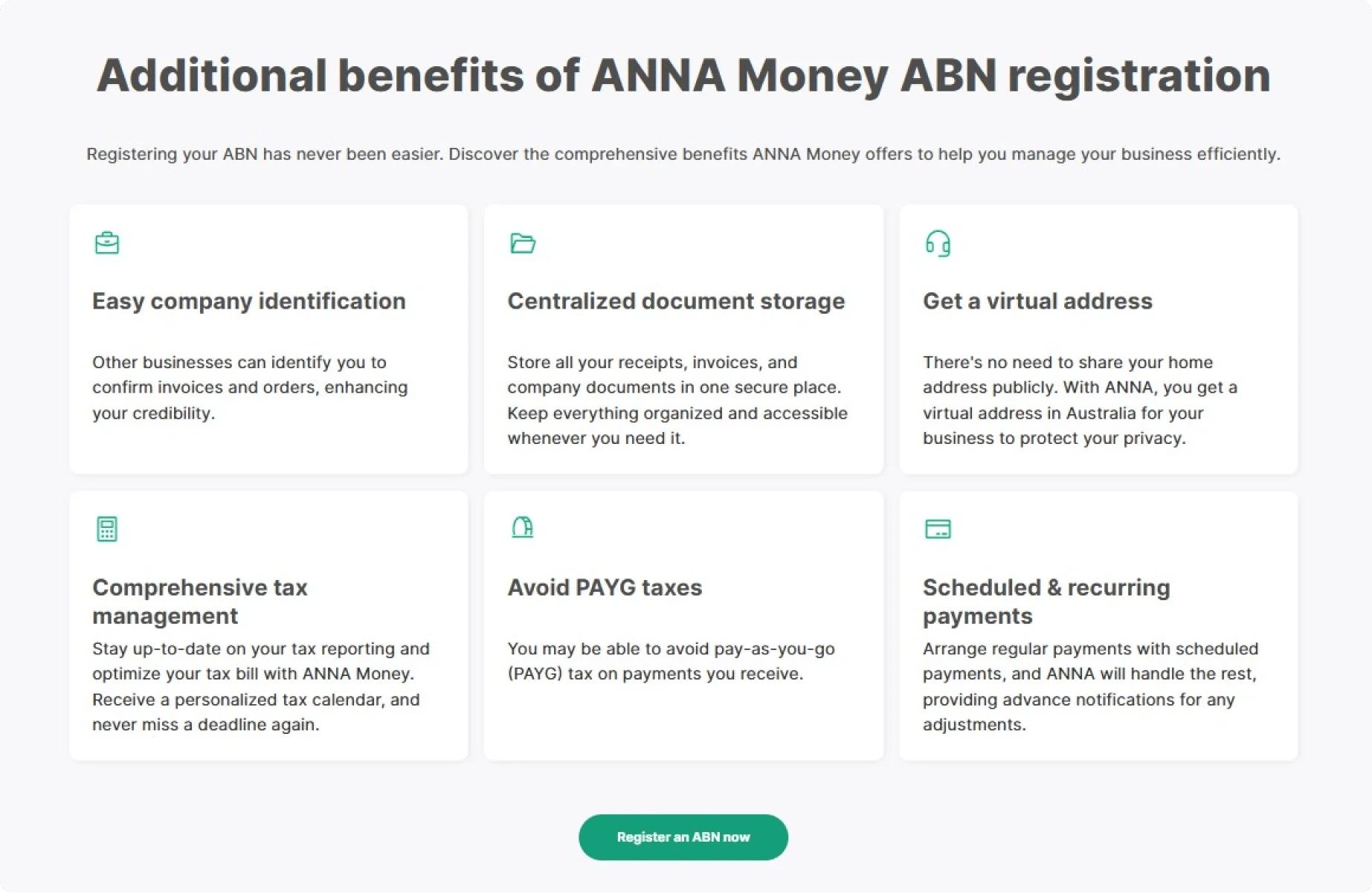
Benefits of having an ABN:
If you want to operate under a name other than your own, you’ll need to register it with the Australian Securities and Investments Commission (ASIC). This step is vital for building a recognisable brand.
Here are the steps:
1. Check availability: Use ASIC’s online tool to ensure your desired name isn’t already registered or trademarked. Names must be unique.
2. Verify trademarks: Check the IP Australia database to avoid infringing on existing trademarks.
3. Complete registration: Submit your application through the ASIC website. You can register your name for one year ($37) or three years ($88).
If your name is Jane Smith and you want to operate as "Eco Solutions," you’ll need to register "Eco Solutions" as your business name.
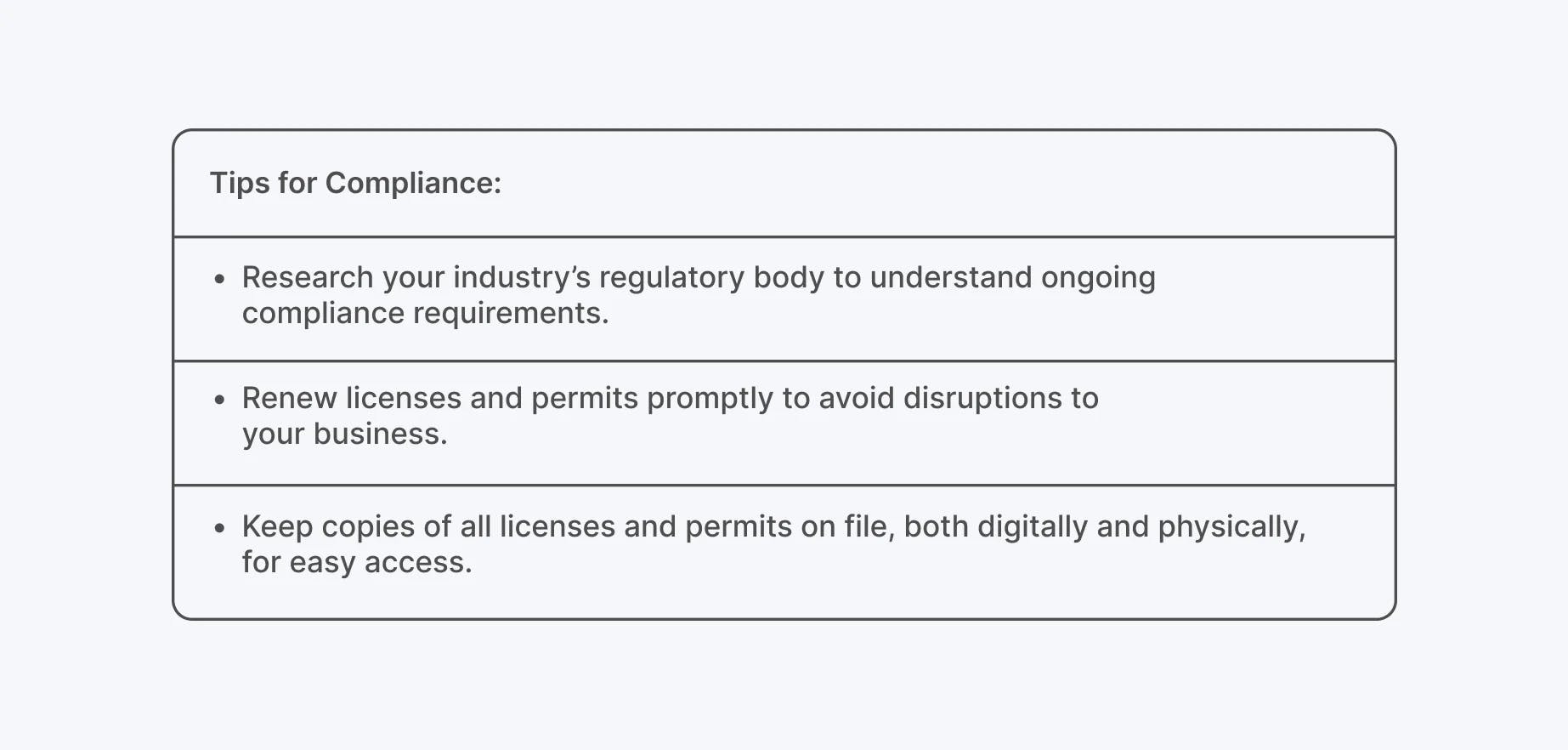
Certain industries require specific licenses and permits to ensure your business complies with Australian laws and regulations.
Obtaining the correct licenses early helps you avoid fines, penalties, or operational delays.
Steps to determine licensing requirements:
1. Identify your industry: Start by clarifying the exact nature of your business. Are you operating in food services, construction, retail, or a specialised service industry?
2. Use ABLIS: The Australian Business Licence and Information Service (ABLIS) is a valuable tool for identifying the licenses and permits specific to your business type and location.
3. Contact local authorities: Depending on your location, your local council may have additional requirements for operating your business.
Food and Beverage Businesses:
Construction and Trades:
Retail or Home-Based Businesses:
A mobile beauty therapist operating in Melbourne will need a health permit from the local council and may need to complete training in hygiene practices.
Additionally, if they plan to use chemicals or specialised equipment, further permits or certifications might be necessary.
As a sole trader, your business earnings are part of your personal income. This means you’ll need to prepare for taxes and other financial responsibilities.
This is how to stay financially organised:
1. Open a separate bank account: Keeping your personal and business finances separate simplifies tax reporting and helps you track business cash flow more effectively.
2. Track income and expenses: Leverage modern tools to maintain financial transparency. Accounting software automates invoicing, tracks expenses, and prepares financial statements.
Also, regularly reconcile your bank statements to catch discrepancies early.
3. Set aside money for taxes: Use a dedicated savings account for tax purposes. As a rule of thumb, save at least 25–30% of your earnings to cover income tax, the Medicare levy, and GST if applicable.
If you earn $10,000 in a month, immediately transfer $2,500–$3,000 to a separate tax account.
4. Understand PAYG obligations: If required, make quarterly Pay As You Go (PAYG) instalments to avoid large tax bills at year-end.
5. Claim business expenses: Identify and document eligible deductions, such as:
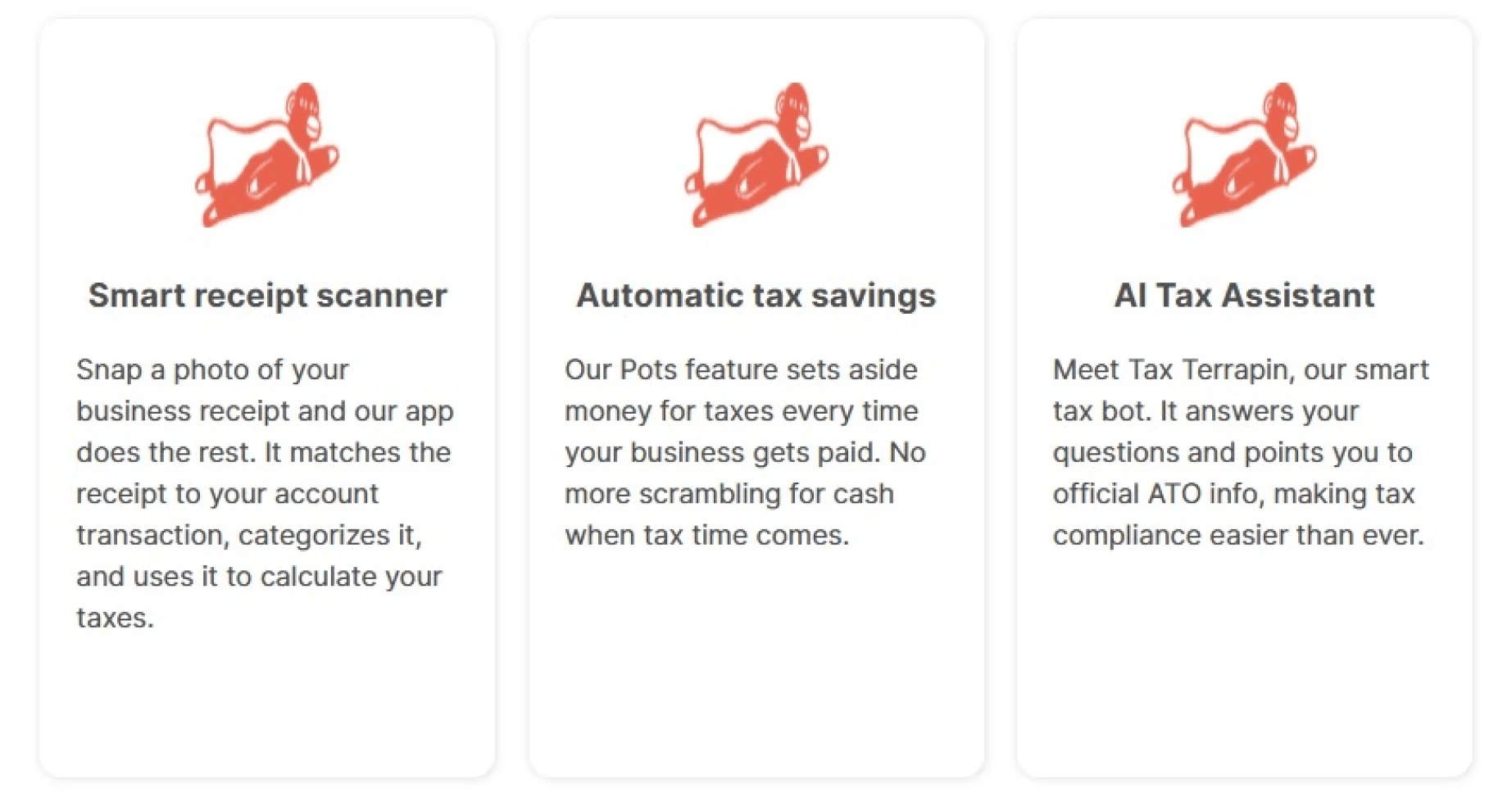
Simplify your finances with ANNA. Open a business account to separate your personal and business transactions for clearer record-keeping.
ANNA’s features, like Pots, automatically save 25–30% of your income for taxes, helping you stay ahead of PAYG instalments.
Keep receipts organised by snapping a photo and ANNA takes care of the rest.
With these tools, managing your finances becomes straightforward and stress-free.
Insurance safeguards your business against unexpected risks. The type of coverage depends on your industry and activities:
Attracting and retaining customers is vital for growth. A thoughtful marketing strategy you tailor to your audience can make all the difference.
Build a Professional Website:
Leverage Social Media:
Start Email Marketing:
Collaborate Locally:
Attend Networking Events:
Offer Promotions:
As your business grows, consider how you’ll scale operations. This might involve hiring employees, expanding your service offerings, or transitioning to a company structure for greater flexibility.
Practical steps:
As a sole trader, your time and energy are best spent growing your business, not wrestling with admin.
That’s why ANNA streamlines everything with powerful features like:
With seamless bookkeeping, a personalised tax calendar, and tools to optimise your expenses, ANNA gives you everything you need to stay organised and in control.
Simplify your business finances with ANNA!
Sign up today and take advantage of smarter tools to grow your business with ease!
Register a business with ANNA and sign up for free - ANNA covers the incorporation fee for you
Register a business today
.svg)