
Learn if there's GST on bank fees and get all the essential information you need to understand how GST applies to your banking charges.
When it comes to managing your business, no matter where you are in the world, there's one thing you absolutely don't want to mishandle: your taxes.
This is especially true in Australia, where adhering to government regulations and ensuring compliance with GST obligations is crucial.
Here comes a common question many business owners face: Is GST applicable to bank fees?
In this article, we will address the critical aspects of this topic. We'll explore GST, BAS, and the nature of bank fees while clarifying how GST interacts with these fees.
Let's dive in and unravel these vital points!
Goods and Services Tax (GST) is a value-added tax applied to most goods and services sold for domestic consumption. Consumers pay this tax, but businesses collect it and send it to the government.
The main goal of GST is to simplify the tax system by replacing many indirect taxes with a single, unified tax. This change helps reduce tax evasion and makes tax collection more transparent and efficient.
To ensure that tax is only paid on the added value at each step of production, businesses can claim a credit for the GST they pay on their purchases (called input tax) against the GST they collect from their sales (called output tax).
In the end, the consumer pays the GST because it’s included in the purchase price of goods and services.
In Australia, the Goods and Services Tax (GST) is divided into three primary categories:
GST offers several benefits:
✔️ Tax Credits: Businesses can reduce tax liability by claiming GST credits on purchases.
✔️ Cash Flow Management: Quarterly GST payments allow better cash flow management.
✔️ Business Perception: GST registration can enhance your business's reputation with larger clients.
And, GST downsides include:
🚫 Administrative Burden: Quarterly BAS lodgment requires accurate and time-consuming record-keeping.
🚫 Price Increase: Adding 10% GST to your prices may make your products less competitive.
🚫 Complexity: Complying with GST regulations can be challenging, especially for small businesses.
Business Activity Statement (BAS) lodgement is how businesses in Australia report and pay their tax obligations to the Australian Taxation Office (ATO).
BAS is a form that businesses use to report their taxes, including:
The main purpose of BAS is to help businesses regularly report and pay their taxes.
This answer depends on their GST turnover. Here is a more specific breakdown:
BAS is how businesses report and balance their GST.
By showing the GST collected from sales and the GST paid on purchases, businesses can find out how much GST they owe or are owed.
This process keeps the GST system running smoothly, with businesses acting as go-betweens for consumers and the government.
Regular BAS lodgement helps businesses stay compliant and manage their taxes effectively.
Bank fees are charges that banks impose for various services and transactions. These fees can add up quickly and affect your overall financial health. Common bank fees include:
GST is a tax on most goods and services sold for domestic consumption in Australia.
However, bank fees often fall into a special category called "financial supplies," which are input-taxed.
This means that while banks do not charge GST on these fees, they also cannot claim GST credits on their expenses related to these fees. Understanding this distinction is crucial for businesses and consumers alike.
The simple answer is no!
Most bank fees, including monthly account fees, ATM fees, and credit card interest, do not include GST.
Therefore, you should not add GST to these fees in your business tax returns.
However, there are exceptions.
Fees for services such as POS terminals, business insurance, and financial advice can be subject to GST.
It's important to keep detailed records of all fees and any GST charged on them to ensure accurate tax reporting.
When preparing your BAS lodgment, you need to account for bank fees accurately. Here’s how you can handle it:
👉 If your bank charges a $25 per month account maintenance fee, you record the $25 as an expense without adding GST.
Your BAS would reflect $0 GST for these items.
👉 For services that do include GST, such as a $50 fee for POS terminal services, you need to include the GST in your BAS.
For example, the fee might include $4.55 GST (10% of the total fee), which you need to report.
To understand this exemption, let's dive into the world of financial transactions.
Financial services, unlike tangible goods, are often complex and intangible.
Imagine trying to put a price tag on the convenience of an overdraft facility or the security of a savings account.
These services don't have a clear-cut value like a loaf of bread does.
The Australian government recognized this complexity and decided to simplify the taxation process by excluding most financial supplies from GST.
The answer is simple: simplifying the tax system!
Think of it as decluttering your bakery's kitchen – removing unnecessary tools and ingredients to focus on what truly matters.
For banks and regulators, this means avoiding the headaches and complications that arise when trying to assign a value to intangible services.
This streamlined approach ensures that the financial sector operates smoothly without the added burden of GST compliance on these services.
Now, let's look at how this decision impacts everyday banking. On the surface, it seems like a win for consumers – no extra GST on bank fees means one less expense to worry about.
But there's more to the story.
Since banks cannot claim GST credits on their financial supplies, they may need to absorb these costs in other ways.
This could potentially lead to higher fees or lower interest rates on deposits. It's a delicate balance, much like adjusting your bakery's prices to cover rising ingredient costs without driving away customers.
The potential solution? Track the changes!
In essence, the exemption of most bank fees from GST is a thoughtful move to simplify a complex sector.
While it spares consumers from direct GST charges on banking services, it subtly influences the overall cost structure of these services.
As a small business owner, staying informed and vigilant helps you navigate these financial waters with confidence, ensuring your business thrives in a financially stable environment.
Or, are there other ways to keep up with financial records and meet regular obligations?
As promised, let’s meet ANNA solutions.

ANNA is a user-friendly financial management tool that helps make your business operations run smoothly. It takes care of taxes efficiently and keeps your financial records organized.
And for small businesses and sole traders looking to start a business in Australia, ANNA can even help with the registration process.
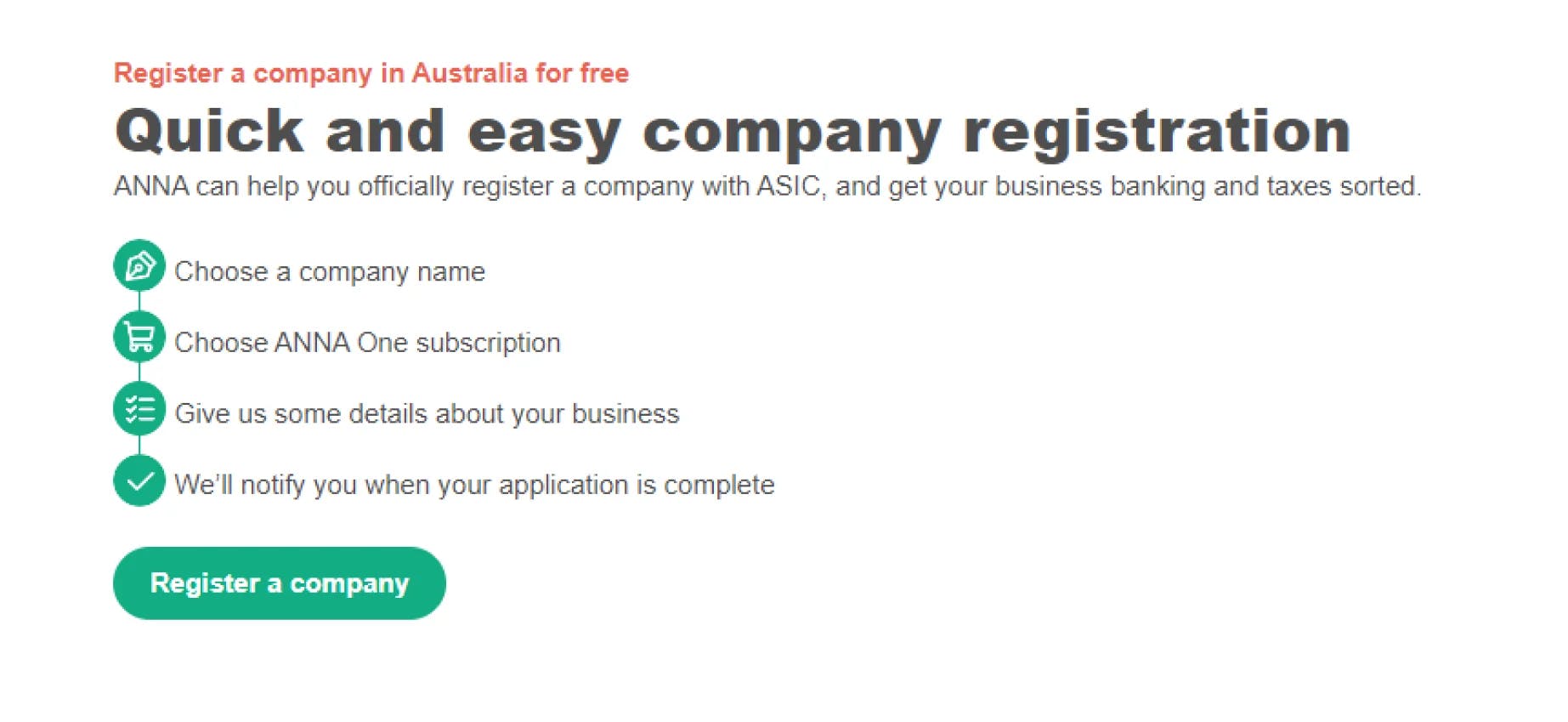
With our expert support and smart financial tools, managing your GST obligations and other financial activities becomes easy and stress-free.
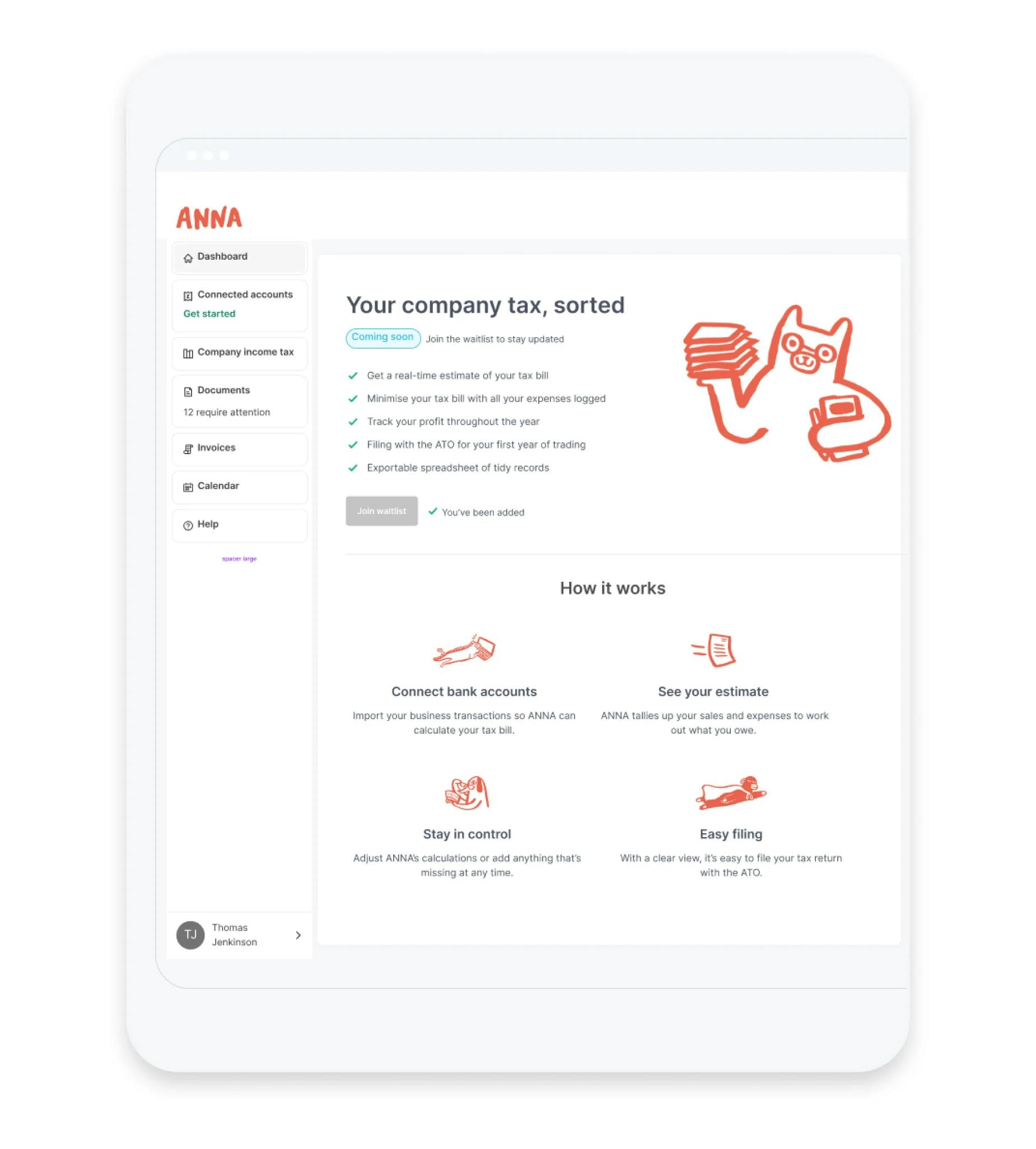
✨ Automatic Tax Calculations: Clear view of upcoming tax bills based on expenses and income.
✨ Personalized Tax Calendar: Highlights important dates to avoid missing deadlines.
✨ Tax Reminders: Timely notifications to ensure compliance.
✨ Direct GST Logging: Automatic GST calculation and direct logging with the ATO.
✨ Bookkeeping Score: Maintain tidy records and save on taxes.
✨ Automated Receipt Matching: Match receipts to transactions for optimal tax relief.
✨ Efficient Bookkeeping: Store and manage receipts, invoices, and documents; create and follow up on invoices.
✨ Account Linking: Connect other bank accounts to see all finances in one place.
✨ 24/7 Customer Support: Access anytime, including holidays.
✨ Professional Guidance: Email support during early stages.
✨ Comprehensive Assistance: Expert help with BAS and GST calculations for accuracy and compliance.
Additional benefits of using ANNA?
Ready to take control of your finances?
Try ANNA today and experience the ease of managing your GST obligations and more with a trusted financial partner.
Register a business with ANNA and sign up for free - ANNA covers the incorporation fee for you
Register a business today
.svg)