
Discover the types of business structures in Australia and explore the nuances of them to find the perfect fit for your needs.
Australia is a vibrant hub for different businesses among various industries.
Whether you're looking to register your own business or simply want to better understand the market, remember that there is no one-size-fits-all approach to business structures.
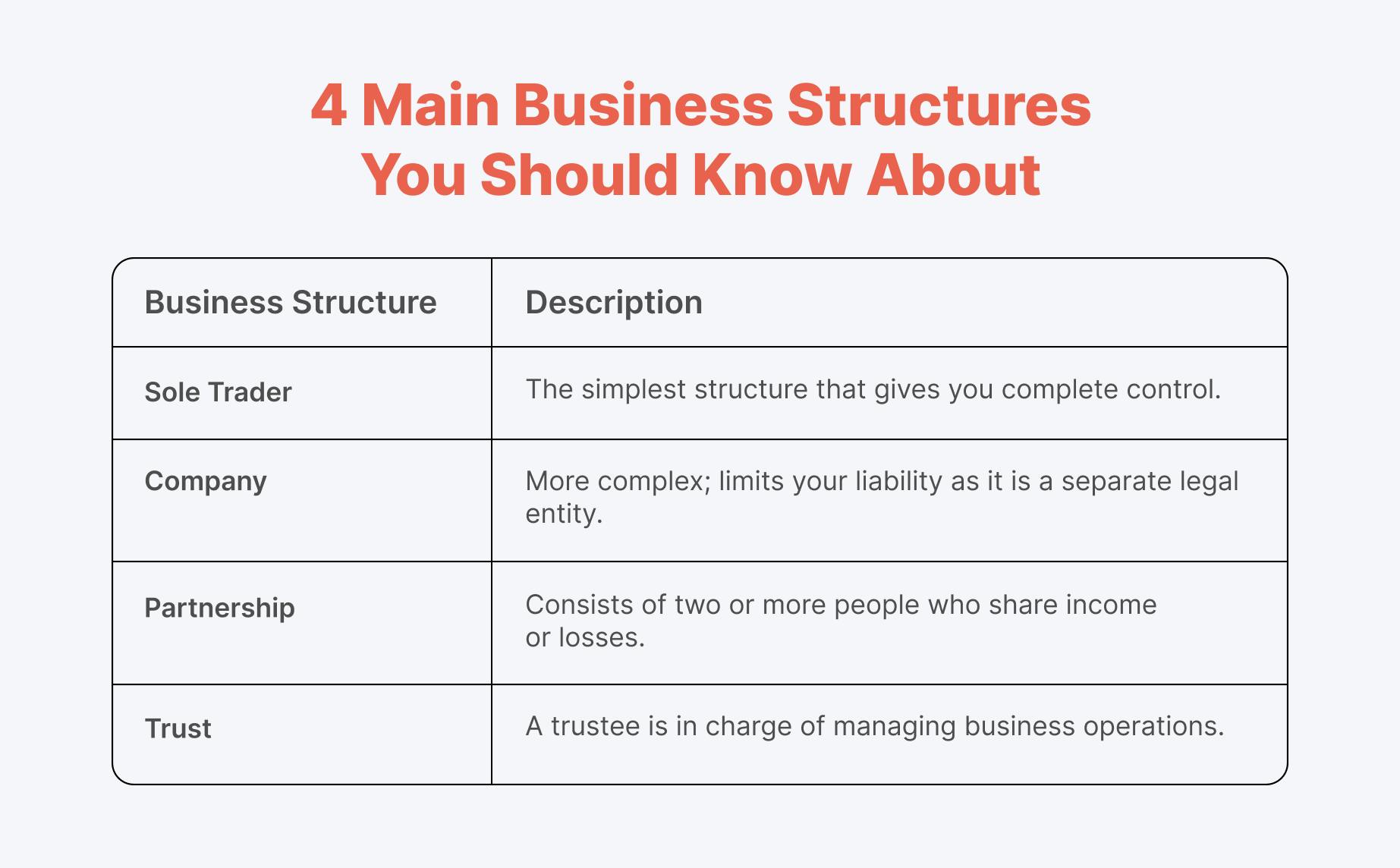
In this blog, we'll explore four popular types: sole trader, company, partnership, and trust.
From launching a fintech startup to establishing a visual arts or fashion business, you'll learn everything you need to know about legal requirements, taxes, and paperwork.
Let’s get started!
Let's start with the fundamentals: What exactly is a business structure?
It can impact:
🔸 Licenses: The permissions you need to run your business.
🔸 Taxes: The amount you owe to the tax authorities.
🔸 Role: Whether you're considered the owner or an employee.
🔸 Liability: Your potential personal risk.
🔸 Control: Your authority over business operations.
🔸 Paperwork: The volume of forms and records you must handle.
So, depending on that factor, here are the most important business structures you can choose from:
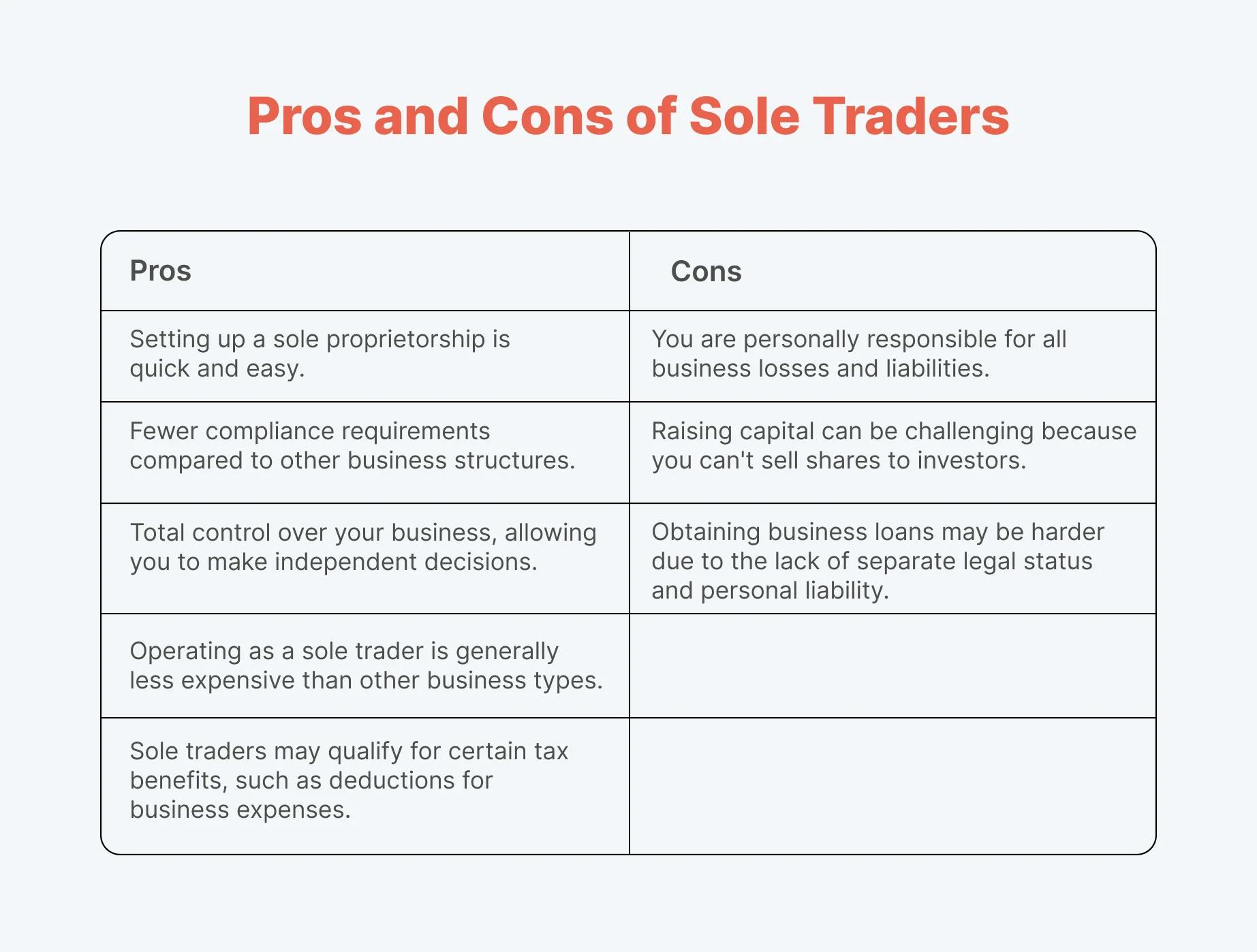
1. Sole Trader: You run your business solo, making all the decisions. It's straightforward and cost-effective, but be prepared to handle all responsibilities on your own, including debts.
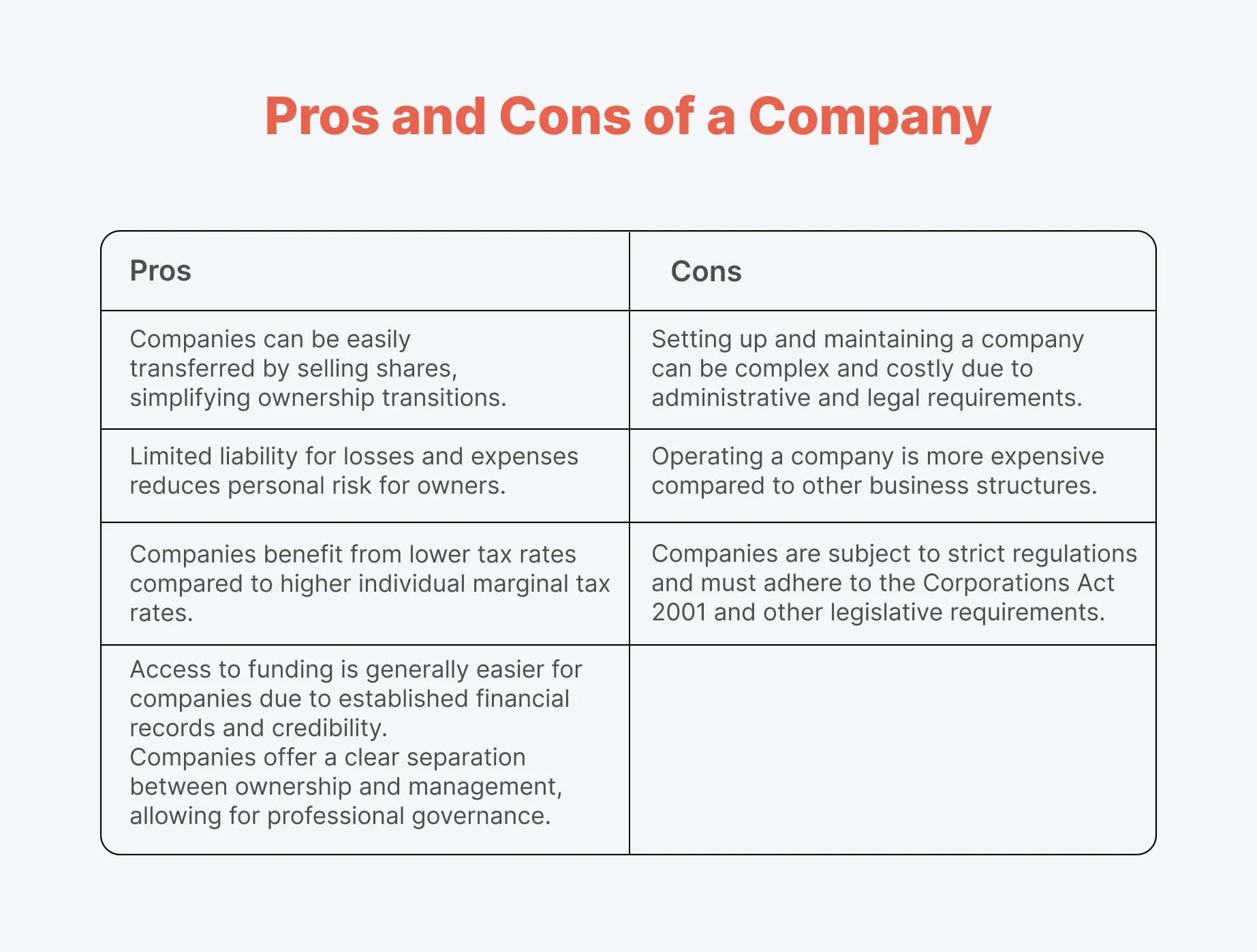
2. Company: For those seeking a formal structure, a company might be the way to go. Companies are separate legal entities, offering limited liability for owners and more opportunities for raising capital. On the flip side, there's a higher level of regulation and complexity to navigate.
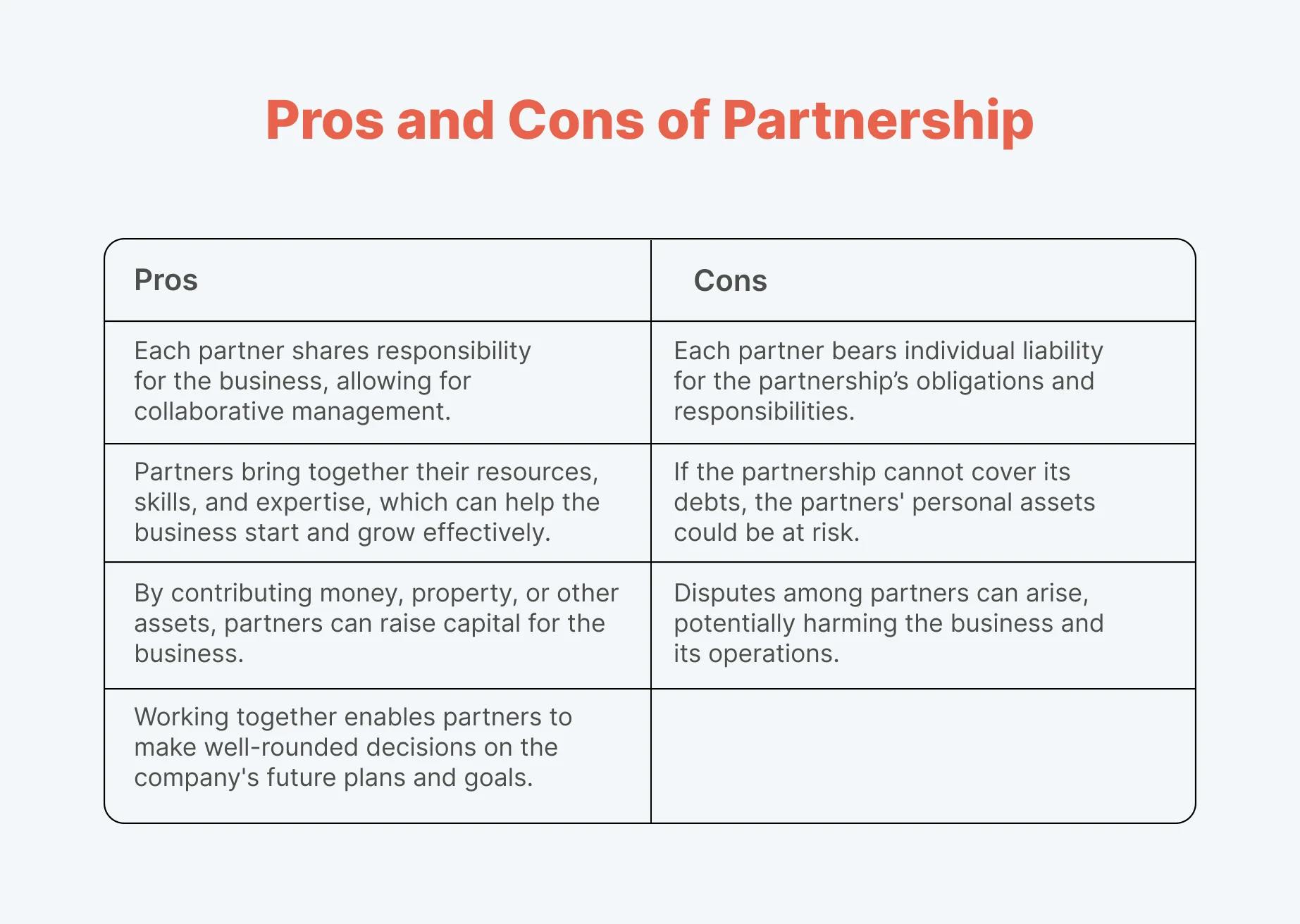
3. Partnership: If you believe two heads are better than one, a partnership might be for you. This structure allows you to team up with one or more individuals to share profits, losses, and management duties. Just remember, you're jointly liable for the partnership's debts.
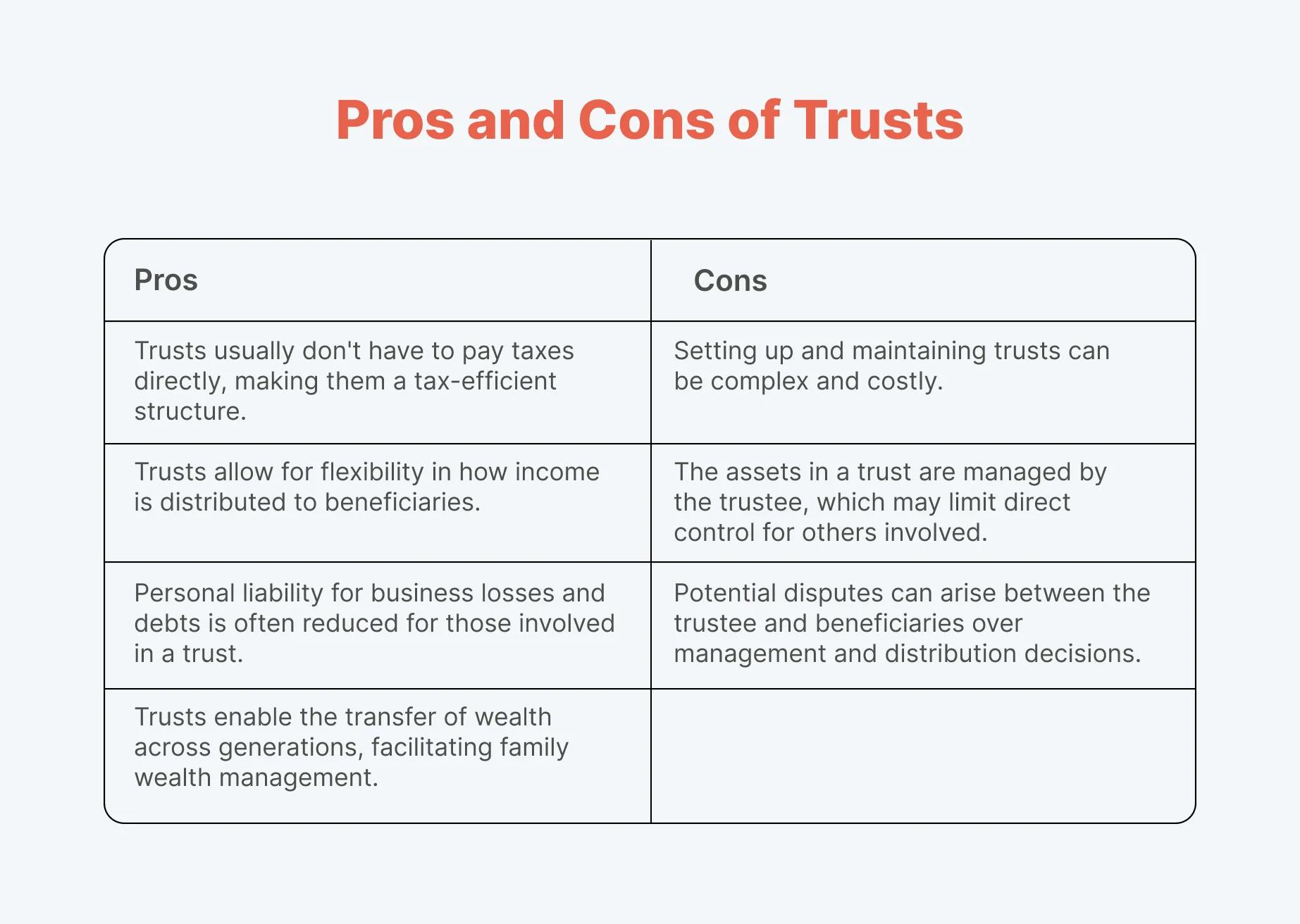
4. Trust: A trust is a unique way to structure a business, with a trustee holding property or income for the benefit of others. Trusts offer tax advantages and asset protection, but they come with a high level of legal and administrative oversight.
Business structures aren't set in stone – you can always switch things up! As your company grows and evolves, you might decide to change your business structure to fit your shifting needs better.
Operating as a sole trader is one of the simplest ways to start a business.
As of June 30, 2023, the Australian economy hosted 2,589,873 active businesses.
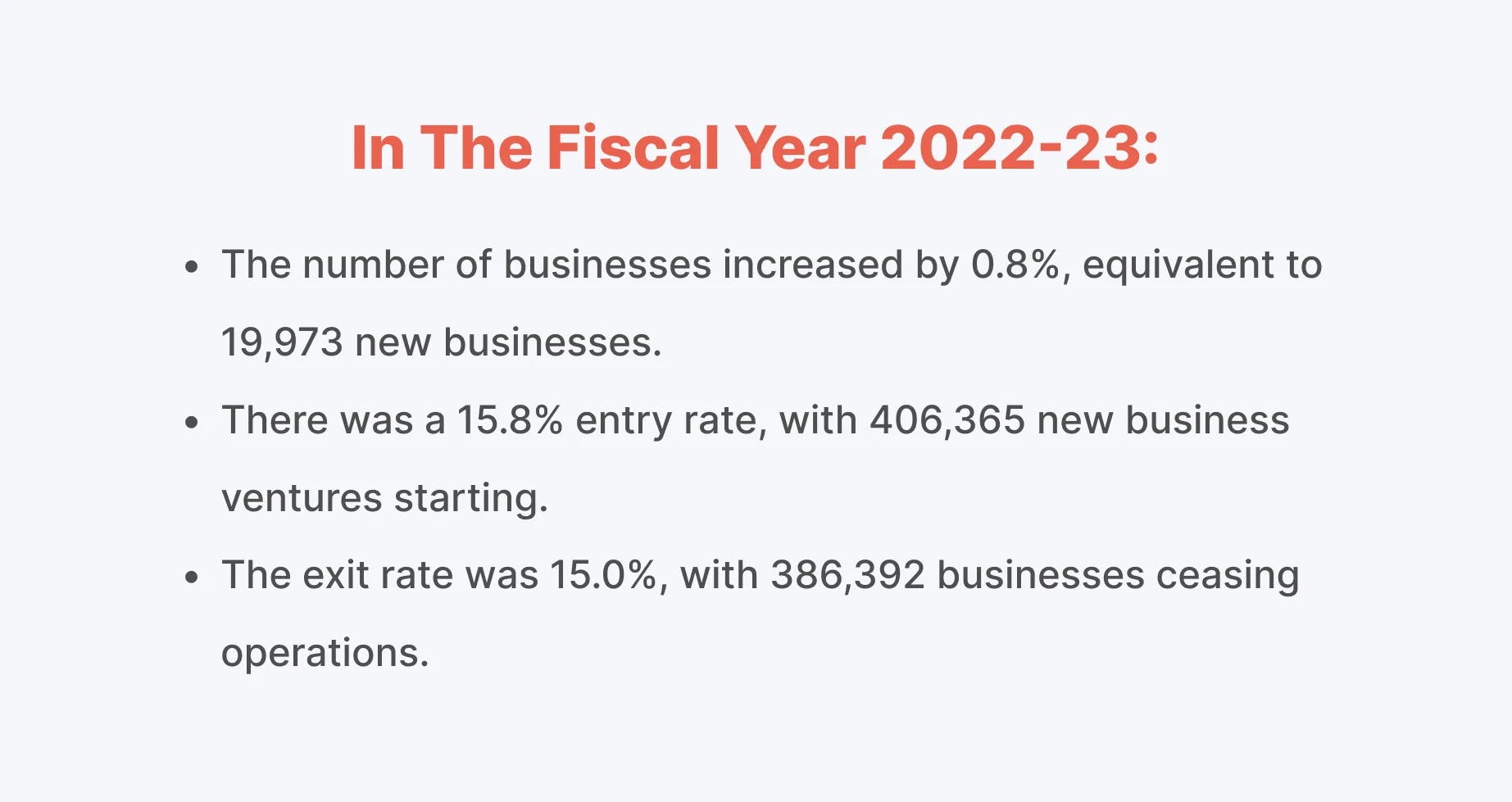
In the fiscal year 2022-23:
To begin operating as a sole trader, all you need is to obtain an Australian Business Number (ABN) for income generation. This involves keeping accurate records and managing the cost of registration, as well as GST collection, reporting, and payments.
Additionally, if your earnings exceed $75,000, you must pay a 10% goods and services tax (GST). This requires you to maintain accurate records and handle GST collection, reporting, and payments. There's also the Medicare levy, which is 2% of your taxable income.
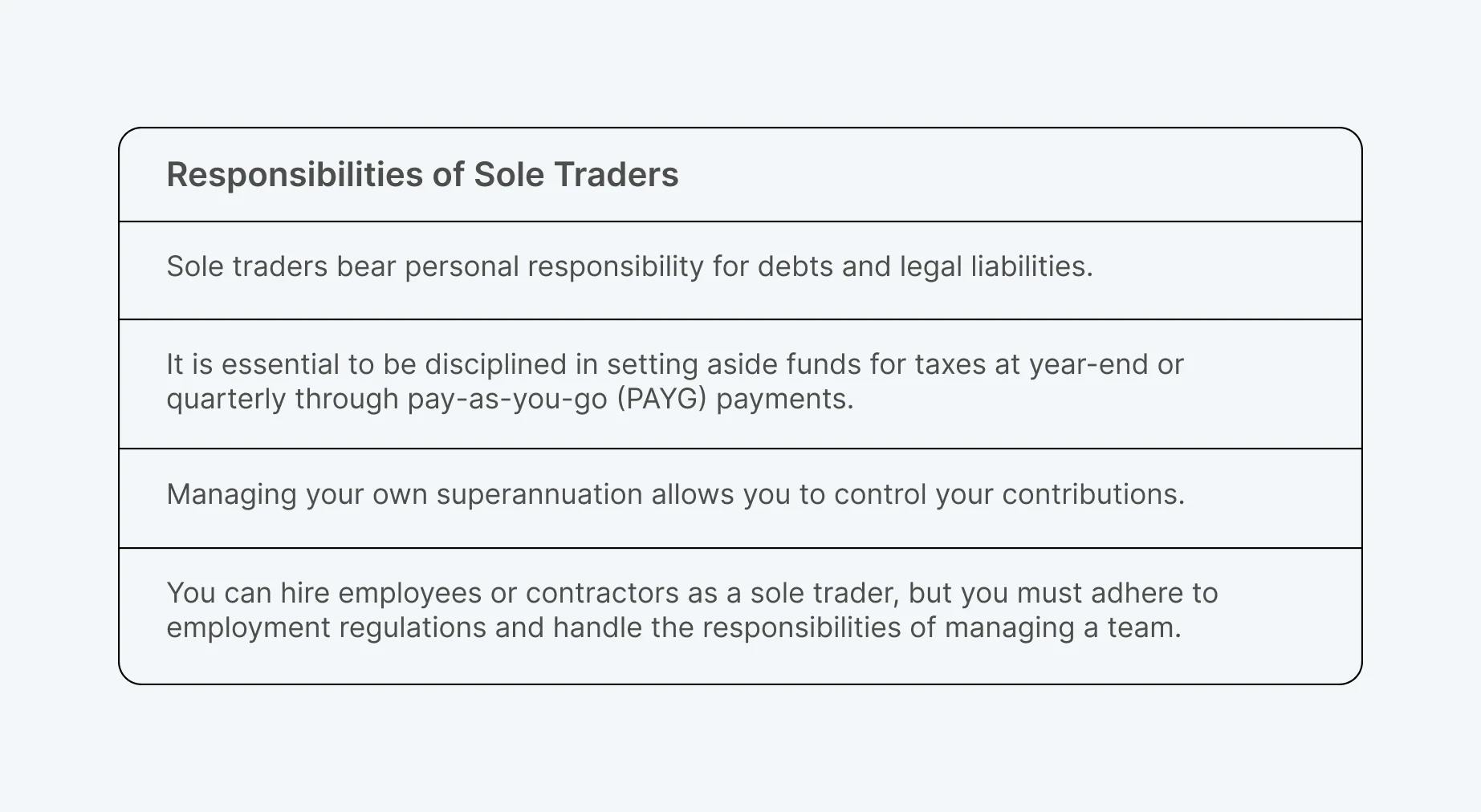
Responsibilities of Sole Traders
Sole traders bear personal responsibility for debts and legal liabilities.
It is essential to be disciplined in setting aside funds for taxes at year-end or quarterly through pay-as-you-go (PAYG) payments.
Managing your own superannuation allows you to control your contributions.
You can hire employees or contractors as a sole trader, but you must adhere to employment regulations and handle the responsibilities of managing a team.
As a sole trader in Australia, the amount of tax you owe in 2024 will depend on your net income, which is calculated as your business profits minus allowable deductions.
Sole traders pay taxes according to individual tax rates, which vary depending on your income level.
For the 2023-24 financial year, the rates are as follows:
A proprietary limited company (Pty Ltd) is a popular business structure in Australia. As of June 30, 2023, there were 2,589,873 actively trading businesses in Australia.
This equates to nearly one business for every 10 people in the country.
According to research, these industries have the most registered companies:
In Australia, companies are required to pay several types of taxes:
1. Company or Income Tax: Companies pay income tax on their profits at a flat rate, which is currently 30% for large companies and 25% for smaller businesses (base rate entities), with an annual turnover of less than $50 million.
2. Capital Gains Tax (CGT): Companies must pay tax on any capital gains made from the sale of assets. This tax is typically calculated as part of the company's income tax return.
3. Goods and Services Tax (GST): Companies with an annual turnover of $75,000 or more must charge a 10% GST on goods and services they provide. This tax is collected from customers and paid to the government.
In addition to these, there are other minor taxes such as:
Registering a business and managing taxes can be complex, so seeking expert assistance is a wise choice if you're unsure how to proceed.
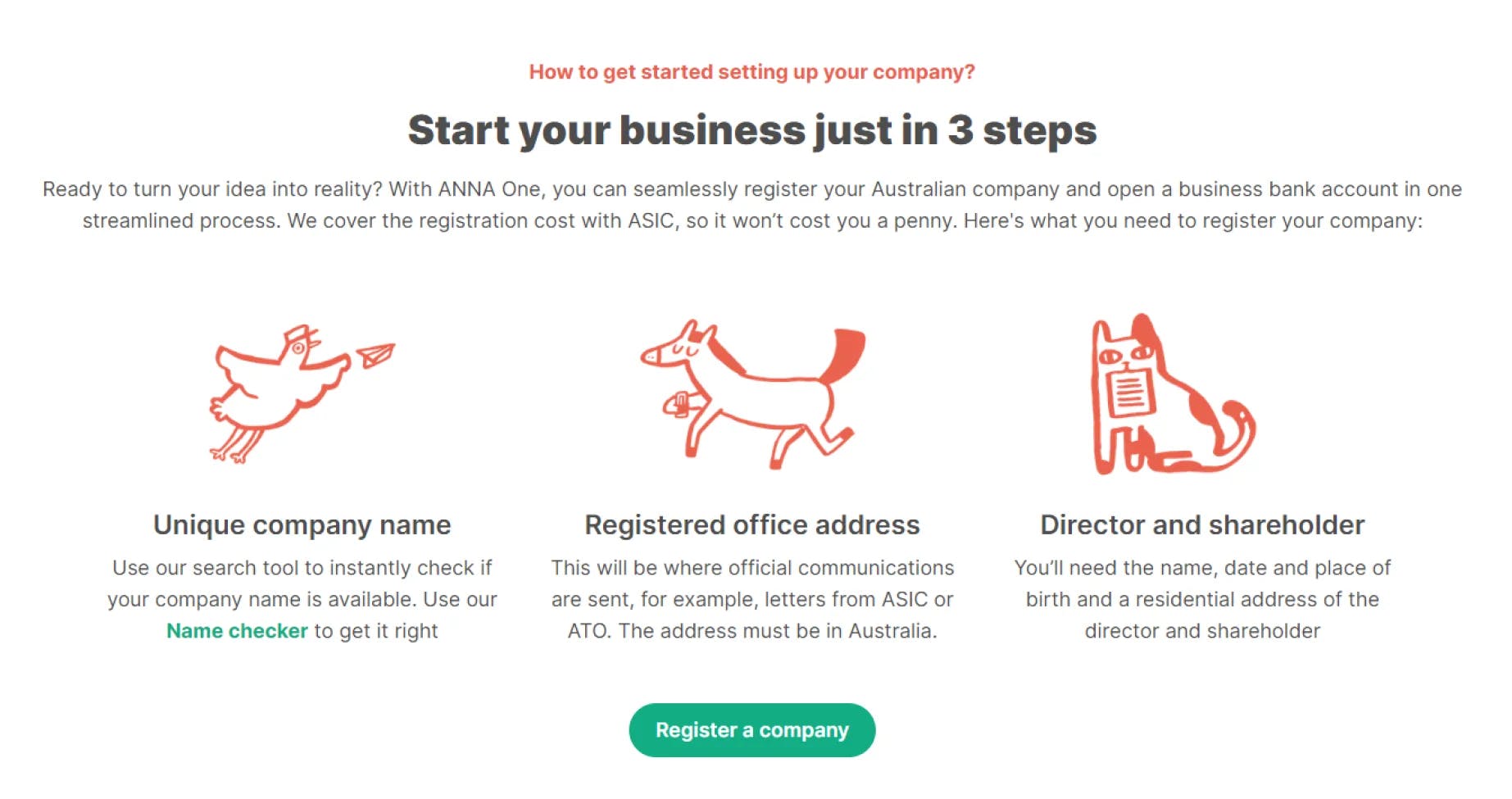
ANNA One simplifies the process by covering your registration fee and helping you open a business account in a few easy steps:
1. Choose your company name.
2. Choose ANNA One subscription
3. Provide your personal and company details. You can also add optional features like a virtual office address to maintain privacy.
4. Receive a notification when your application is complete.
With ANNA One, you can streamline various aspects of your business management:
⭐Taxes: ANNA One helps you calculate and file taxes automatically based on your business transactions. You receive a personalized tax calendar to stay on top of deadlines and know your tax estimate.
⭐ Business Account: Link your bank accounts to ANNA One for a unified view of your finances.
⭐ GST Registration: ANNA One handles the application for you with the Australian Taxation Office (ATO).
⭐ PAYE/Payroll Registration: ANNA One assists with the process and helps you obtain the necessary documents for paying salaries.
⭐ Invoices: Quickly create and send professional invoices with ANNA One. Unpaid invoices are chased for you, leading to prompt payment.
⭐ Expert Accountant Support: Access guidance from ANNA One's team of knowledgeable accountants to address any questions you may have.
A partnership is a business structure that involves two or more people who work together and share profits and responsibilities. Unlike a sole trader, a partnership requires a separate tax file number and a partnership tax return.
The partnership itself does not pay taxes on its income; instead, each partner reports their share of the income on their personal tax return.
⚡Shared Income and Control: Partners share business income, decisions, and potential losses.
⚡ Written Partnership Agreement: While not required, having a written agreement is beneficial to outline each partner's roles and responsibilities.
⚡ Money Drawn from the Partnership: Money taken out by partners is not considered 'wages,' so it can't be claimed as a business deduction.
A limited partnership combines a traditional partnership structure with one general partner who actively manages the business and one or more limited partners who primarily contribute financially and have limited involvement in day-to-day operations.
⚡ Tax Treatment: The limited partnership is treated as a separate tax-paying entity, paying taxes on its income.
⚡ Liability: All partners share equal responsibility for debts and liabilities, so it's crucial to seek legal advice to understand the risks.
This business structure is often used in venture capital scenarios, where an entrepreneur partners with a financial backer to launch a business.
In a partnership, the profits and losses flow through to the individual partners, who report them on their personal tax returns. Here's how partnership tax works:
⚡Partnership Tax Return: Each year, the partnership must file a separate tax return detailing the partnership's income, expenses, and how the profits and losses are distributed among the partners.
⚡ Individual Tax Reporting: Partners must include their share of the partnership's income or losses on their personal tax returns, even if they haven't actually received the money.
⚡ Income Allocation: Each partner reports their portion of the partnership's income or losses on their individual tax return. This includes income from sales, services, and other business activities.
⚡ Responsibility for Gains and Losses: Partners are responsible for reporting their share of any capital gains or losses from the sale of assets or other business transactions for tax purposes.
A trust is a business structure that involves a trustee managing assets or income for the benefit of beneficiaries. Trusts are a popular but complex choice for business or estate planning in Australia.
Income from a trust is distributed to beneficiaries, and how this income is distributed can affect the tax obligations of the trustee and beneficiaries.
To set up a trust in Australia, you need the following:
In trusts, the way taxes work depends on how the trust distributes income and to whom. Here's how trust taxation works:
Australia offers a diverse range of business types, from sole traders and partnerships to companies and trusts, catering to the varied interests and needs of entrepreneurs. No matter which business structure you choose, careful planning and understanding of the legal and financial requirements are key to success.
The experts at ANNA provide comprehensive support for navigating the complexities of starting and running a business in Australia.
ANNA One offers a complete package for business success, from company registration to tax management and banking solutions:
⭐Responsive Customer Support: We're available to address any issues promptly, ensuring a smooth business journey for you.
⭐ Simple Registration Process: We handle the formation fees and offer exceptional value by reducing your government fees.
⭐ Business Categorization for Easy Finances: Our system categorizes your business for precise cost and expense calculation, streamlining your accounting process.
⭐ Advanced ML/AI Technologies for Tax Management: ANNA simplifies tax handling with innovative technology that calculates and files your taxes automatically, tailored to your business.
Ready to elevate your business?
Sign up today and access the tools you need for a smoother, more efficient business journey!
Register a company in Australia and set up a new business today
Register a company now
.svg)