Discover what you can claim on tax without receipts in Australia and gain insights into allowable deductions to maximize your refund.
You're probably familiar with tax returns if you're running a business in Australia.
Of course, keeping your bookkeeping in order and saving your receipts is essential if you plan to claim a portion of your expenses through these deductions.
But what if you don't have a receipt? Can you still claim it on your tax return?
Great news!
In this article, we'll look at situations where the ATO allows you to claim on tax without needing receipts.
But first, let's cover the basics!
As explained by the Australian Taxation Office (ATO), a tax deduction is a cost you incur while earning income that you can use to lower your taxable income.
This means you can subtract eligible expenses from your total income, reducing the tax you must pay.
You can claim some of your expenses, which are mostly related to your income.
Let's quickly cover how tax deductions work in a simple way:
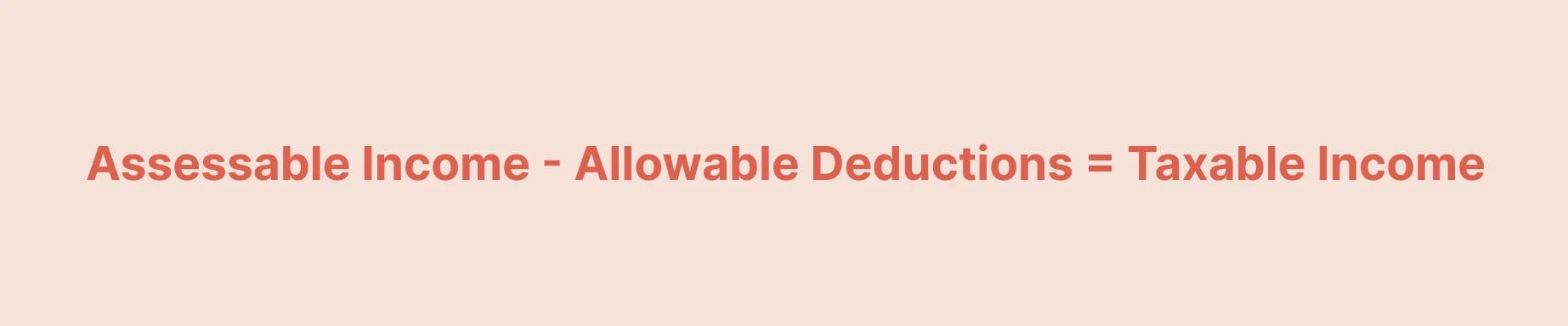
Think of Assessable Income as all the money you make from your job or investments.
Now, you subtract your Allowable Deductions from this amount—these are the expenses you had to pay to earn that income.
You're left with your Taxable Income, the actual amount you owe taxes on.
Before we discuss what you can claim without receipts, let's quickly cover the rules for tax deductions.
To claim a work-related expense deduction, you must fulfill the following conditions:
You'll claim these in your tax return under work-related expenses. You only claim the work portion if the cost is for both work and personal use.
❗ Important: You cannot claim if your employer pays or reimburses you. If there's a chance of reimbursement, the ATO might check with your employer.
In Australia, the maximum tax deduction you can claim for work-related expenses without a receipt is generally $300.
However, these claims must be for expenses that are directly related to earning your income, such as:
For claims exceeding $300, you’ll need to have receipts or other proof of the expense. It's important to keep accurate records of all claims, as the Australian Tax Office (ATO) may require proof if they audit your tax return.
It's always a good idea to consult a tax professional to ensure you're meeting all legal requirements and getting the most out of your claims.
You can claim without written evidence if your total work-related expenses are up to $300.
Just be ready to show how you spent the money and calculated your claim.
Remember, this $300 limit doesn’t apply to:
👉 Example: If you spend $50 on a work-related phone bill, note it in your diary. Add up such expenses, and you can claim them without receipts if they’re $300 or less.
Want to claim a deduction for buying, dry-cleaning, or repairing work-related clothing?
Keep receipts that are showing:
If you can’t get a receipt, bank statements, invoices, or purchase orders are also acceptable if they include the required details.
You can claim without receipts if your total work-related expenses (including laundry but excluding car, travel, and overtime meal allowance expenses) are $300 or less.
If you claim $150 or less for washing, drying, and ironing (excluding dry-cleaning), you don’t need written evidence for laundry expenses.
This applies even if your work-related total expenditures exceed $300. But if your total claim is over $300, keep receipts for the other expenses.
Remember, this isn’t an automatic deduction. You must show how you determined your laundry expense total.
👉 Example: If you spend $30 on washing and drying your work uniforms, and your total laundry expenses are $150 or less, you don’t need to keep receipts for these expenses.
Can't get a receipt for a small expense?
You can still claim a deduction if you have proof of the expense.
Small expenses are those $10 or less, and you can claim up to $200 per income year for these without receipts.
Just make sure to record the details as soon as possible after incurring the expense.
Your record should include:
Please ensure you record the description of the depreciating asset, the amount of decline in value, the person who made the record, and the date the record was created.
Keep these records organized so that you can readily back up your claims if necessary.
👉 Example: If you grab a $5 coffee for a work meeting and don't get a receipt, note down the café's name, the cost, what you bought, the purchase date, and the date you made the record.
Sometimes, getting a receipt can be tough, but don’t worry. The ATO allows you to record these expenses instead.
These expenses can be more or less than $10, and there’s no total limit.
Make sure your records include:
👉 Example: Suppose you buy a $12 meal from a food truck that doesn’t provide receipts. Note down the food truck’s name, the cost, what you bought, the purchase date, and the date you made the record.
Be cautious, though!
The ATO uses industry averages to spot suspicious claims. Over-claiming, especially without receipts, might trigger an audit where the ATO scrutinizes your tax affairs.
Keep accurate records and stay within the guidelines to ensure your claims are safe and legitimate!
You don't need receipts if you're eligible to claim car expenses using the cents-per-kilometer method!
For the 2023-24 tax year, the rate is 85 cents per kilometer. This rate covers all car expenses, including:
Just be prepared to demonstrate how you calculate your work use by maintaining diary records or using the myDeductions tool in the ATO app.
You can claim up to 5,000 kilometers for work-related use.
👉 Example: If you drive 3,000 kilometers for work, you can claim 3,000 x 85 cents = $2,550 on your tax return.
So, snap a photo of your car's odometer and claim those work-related kilometers!
An overtime meal allowance is an extra money your employer gives you to buy food and drinks while working overtime.
It's usually provided under an industrial agreement like an award or enterprise bargaining agreement.
This allowance covers the cost of meals you eat during overtime.
❗ Important: If your overtime meal allowance is part of your regular salary, it doesn't count as an overtime meal allowance.
👉 Example: Suppose your employer pays you an overtime meal allowance, and you buy a $20 dinner while working late. Keep the itemized receipt showing the name, amount, and date.
You might not need to keep written evidence if:
For the 2023–24 income year, the reasonable amount for overtime meal expenses is $35.65 per meal.
If your expenses stay below this amount, you don't need receipts but should be able to prove you incurred the expense.
If you spend more than a reasonable amount, you can either:
Even if you qualify for the record-keeping exception, the ATO might still check your tax return and ask for documents showing:
Remember, the reasonable amount isn't an automatic deduction—you can only claim what you actually spent on deductible overtime meal expenses.
The good news is that you might not need receipts or a travel diary for travel allowance expenses within reasonable amounts.
Typically, detailed records are required, but exceptions apply if you receive a travel allowance and meet certain conditions.
No detailed records are required for domestic travel if:
👉 Example: On a business trip to Sydney, if your expenses for accommodation, food, and incidentals are within reasonable amounts, you don’t need receipts or a diary.
Exceeding the limit? Keep all receipts and a travel diary if the trip lasts 6+ nights.
Keep receipts for all accommodation expenses and a travel diary if away for 6+ nights.
👉 Example: On a trip to London, receipts for meals and incidentals are not needed, but keep them for your hotel. If you stay over a week, keep a travel diary.
No travel diary is needed for airline crew if:
👉 Example: As a flight attendant on an international flight, no diary is needed if your expenses don’t exceed the allowance, but keep receipts for accommodation.
Reasonable amounts are specified in TD 2023/3 for the 2023–24 income year. Only claim deductions for actual expenses incurred.
Here’s a quick rundown:
Keeping every receipt can be challenging, and the ATO understands this. Here are the 3 scenarios when you might get some leeway if you can’t keep records:
If you can’t get a receipt, the ATO might still allow your deduction if you have other proof of the expense.
This could include a bank or credit card statement showing the amount, date, and who you paid, along with any other documents and a note in your work diary.
👉 Example: If you spend $50 on work supplies at a market stall without receipts, a bank statement and a note in your diary about the purchase can support your claim.
If you genuinely thought you didn’t need to keep records, the ATO might give you a break if you can show enough evidence of the expense and prove your belief was reasonable.
👉 Example: If you thought you only needed to keep records for expenses over $300 and didn’t save receipts for smaller amounts, you might not get relief.
If your records are lost or destroyed, you might still claim a deduction.
For example, if your records were stolen or destroyed in a natural disaster, you can use copies. If you can’t get copies, the ATO might help if you prove the loss and show you tried to protect your records.
👉 Example: If a flood destroys your tax records and you can’t get copies, you might still claim your deductions with other supporting evidence.
And finally, it is fair to mention what ATO will not accept as proof of your deductions without receipts:
🚫 Cash Payments with No Records: Claims without a tax invoice or receipt.
🚫 Items with Price Tags but No Purchase Evidence: You need a bank statement confirming the purchase.
🚫 Catalogs or Advertisements Without Purchase Proof: You need both the catalog and a bank or credit card statement showing you bought the item.
For more details, please refer to TR 97/24 Income Tax: Relief from Failing to Substantiate.
Managing financial records can be a hassle, but it's essential for accurate tax claims.
ANNA, a top-notch financial management tool, takes the stress out of this process.
Let's dive into how ANNA can make your record-keeping a breeze and ensure your tax claims are spot-on.
ANNA offers a variety of tools designed to streamline your record-keeping and simplify tax filing:
✨ Connect Your Accounts: Link all your bank accounts to ANNA for a comprehensive view of your income and expenses.
✨Automated Receipt Matching: Using receipt apps, you can automatically match receipts to transactions and categorize them, ensuring accurate expense tracking.
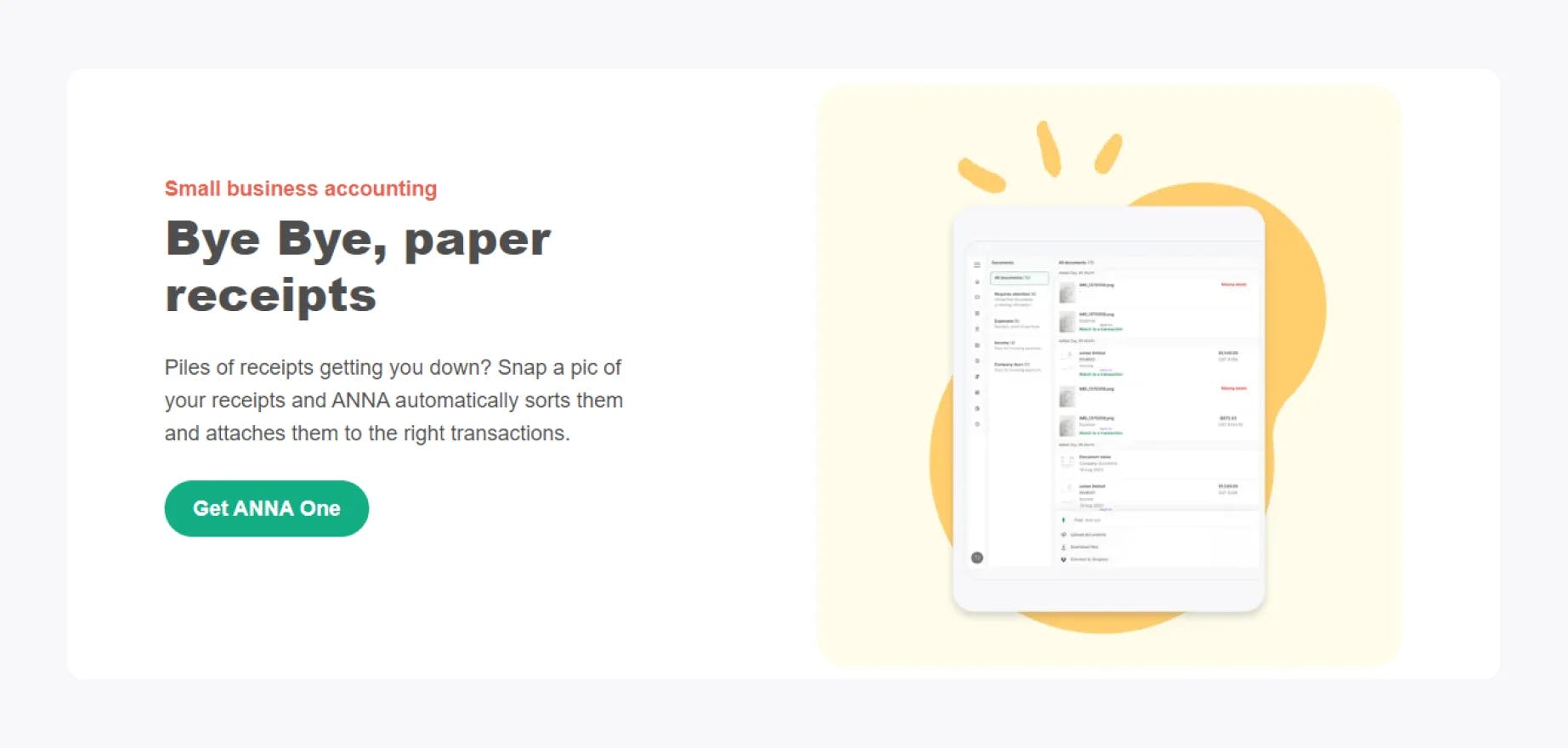
✨Efficient Bookkeeping: Store and manage all receipts, invoices, and documents in one place, making it easy to find records when needed.
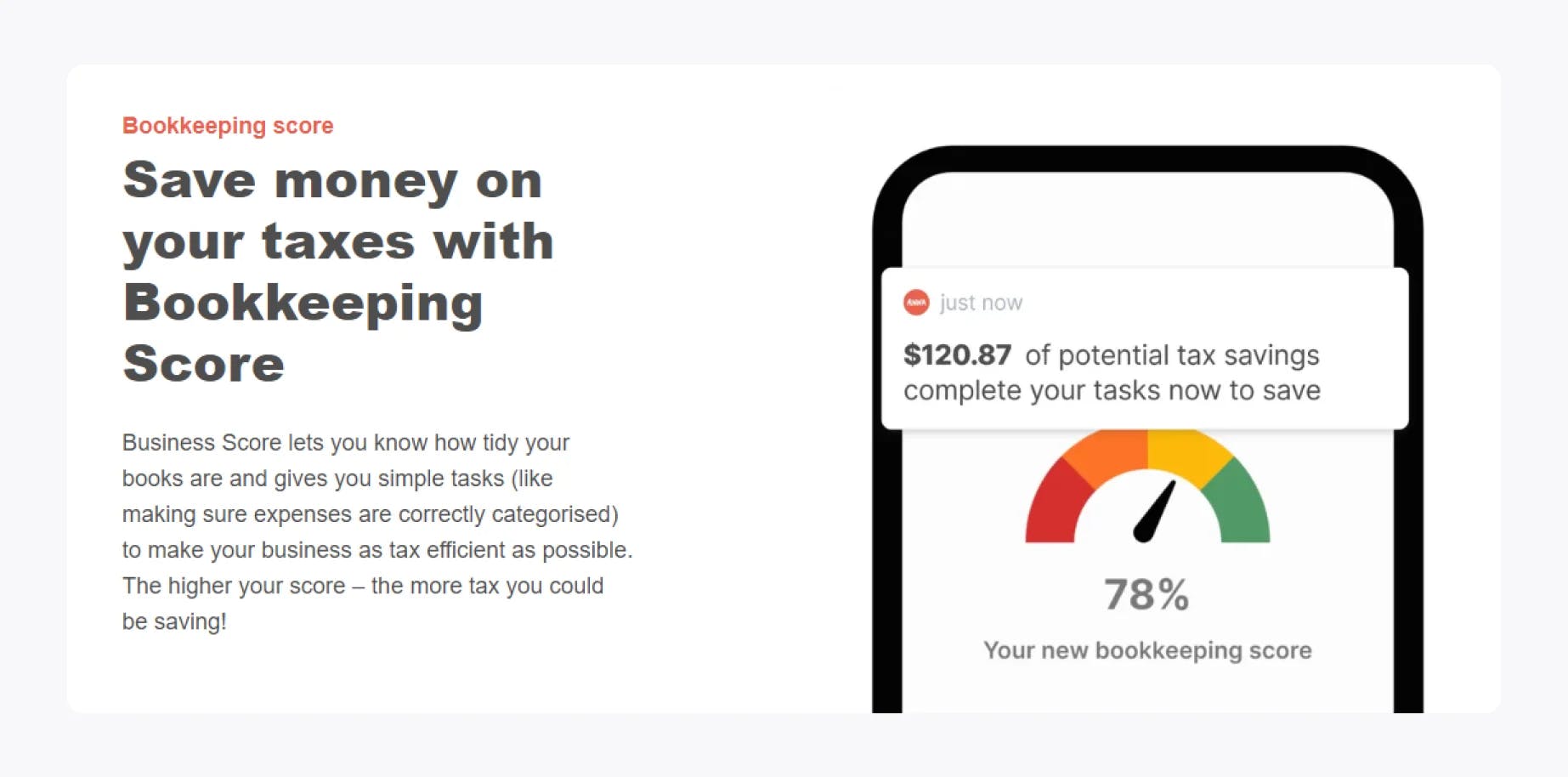
✨Bookkeeping Score: Helps you keep tidy records by offering tips and scoring your bookkeeping practices.
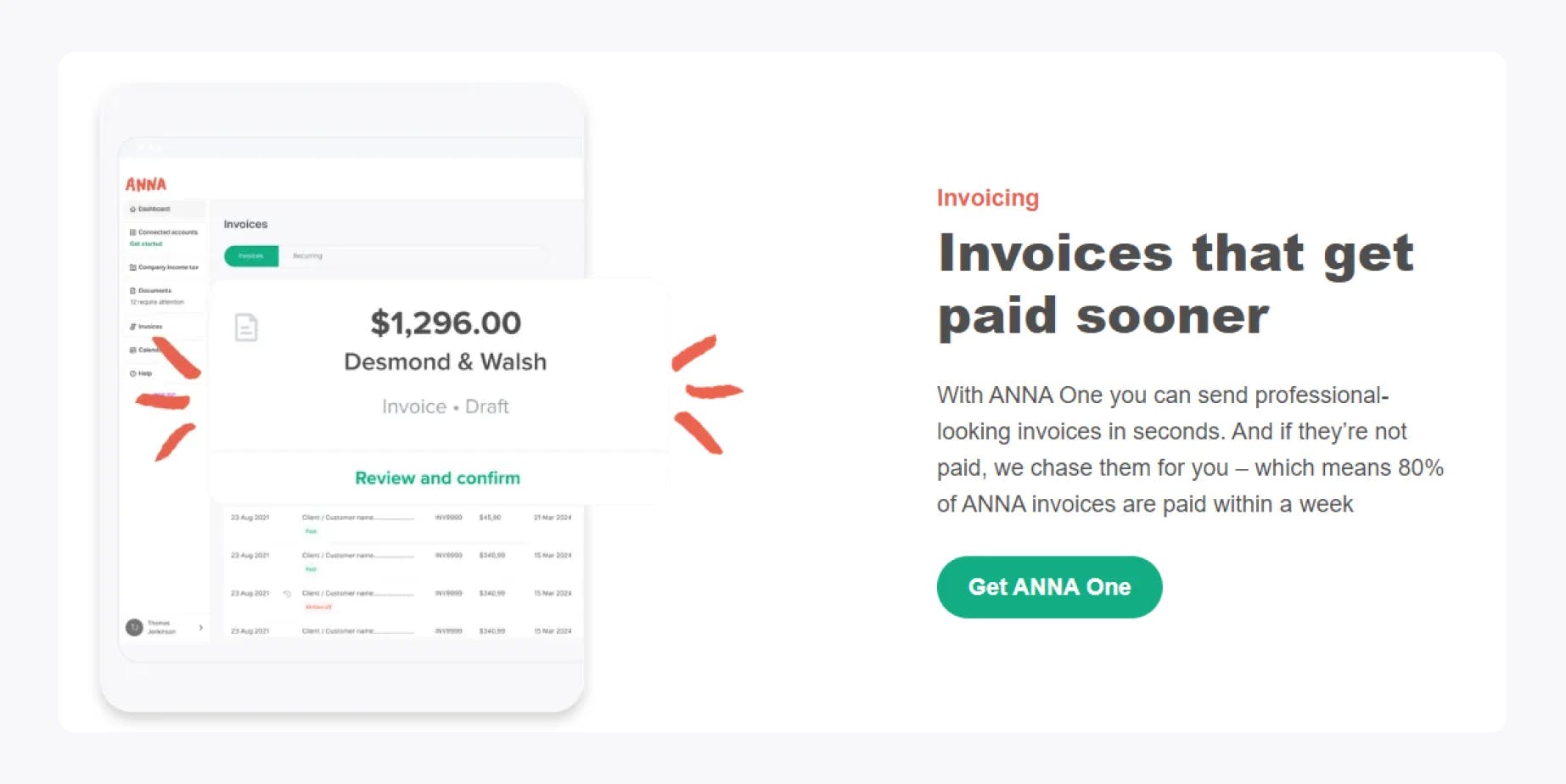
✨Professional Invoices: Quickly create and send professional invoices, with ANNA tracking payments and following up on unpaid ones.
✨24/7 Customer Support: Get round-the-clock assistance with any questions or issues related to your financial records and tax claims.
👍 Automatic Tax Calculations: Calculates tax obligations based on business expenses and income, providing a clear view of upcoming tax bills.
👍 Personalized Tax Calendar: Never miss a tax deadline with reminders tailored to your schedule.
👍 Direct GST Logging: Simplifies GST calculations and logs them directly with the ATO.
👍 Comprehensive Assistance: Expert help with BAS and GST calculations to ensure accuracy and compliance.
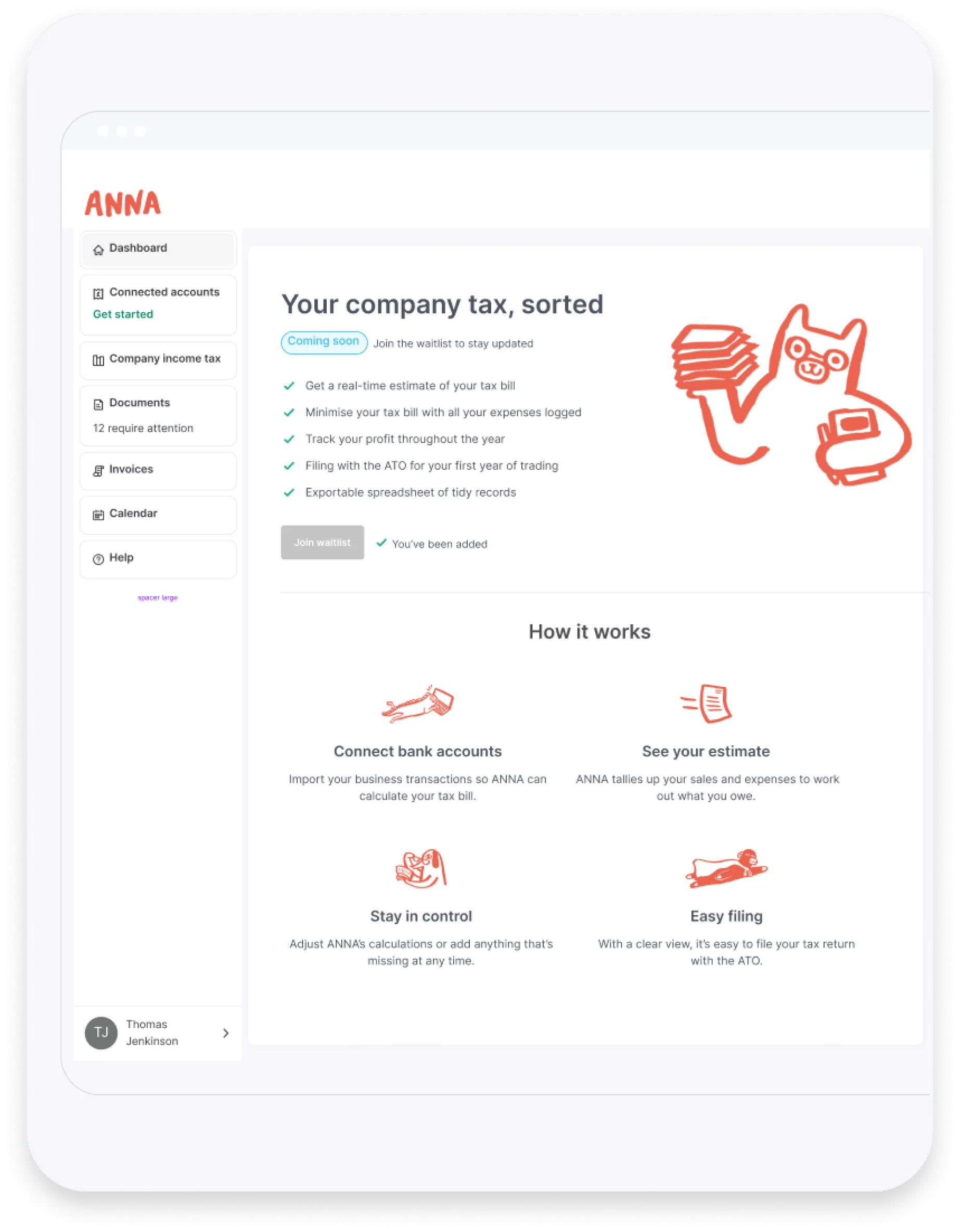
Using ANNA not only simplifies your record-keeping but also ensures you have all the necessary documentation for accurate and efficient tax claims.
Ready to simplify your financial management and make tax time stress-free?
Try ANNA today and experience the ease of efficient record-keeping and accurate tax claims!
You can claim kilometers on tax without receipts as long as you maintain a logbook or other evidence showing the distance traveled for business purposes.
The ATO allows claims based on the number of kilometers driven, but you must be able to substantiate the claim with relevant records such as diary entries or vehicle maintenance logs.
If you don't have a receipt, the ATO may accept other forms of evidence, such as bank statements, invoices, or a logbook, as long as they show the expense details.
It's important to maintain accurate records to substantiate your claims and ensure they're valid for tax deductions.
Register a business with ANNA and sign up for free - ANNA covers the incorporation fee for you
Register a business today
.svg)