
Learn how to sell on Temu in Australia with this definitive guide, covering essential steps, tips, and best practices for success and compliance.
How many times have you heard the catchy phrase, "Shop like a billionaire," from Temu ads? This global marketplace has smitten the world, offering everything from gadgets to fashion at unbeatable prices.
But have you ever wondered how to flip the script and start selling on Temu in Australia?
No matter if you're a small business owner, a creative entrepreneur, or someone looking to make extra cash, Temu offers a unique platform to present your products.
Let’s dive into everything you need to know to get started and succeed on Temu!
Temu, launched in September 2022 by PDD Holdings, has become a household name by offering unbeatable deals on various products.
By eliminating middlemen, Temu offers significantly lower prices, often 60% – 80% cheaper than competitors like Amazon and Shein.
The core innovation of Temu’s C2M model lies in "reverse manufacturing."
This approach uses consumer data to drive production, creating a highly responsive and efficient marketplace. It’s a win-win for retailers and manufacturers, helping to avoid overproduction and reducing reliance on discounts.
Here’s what makes it so appealing:
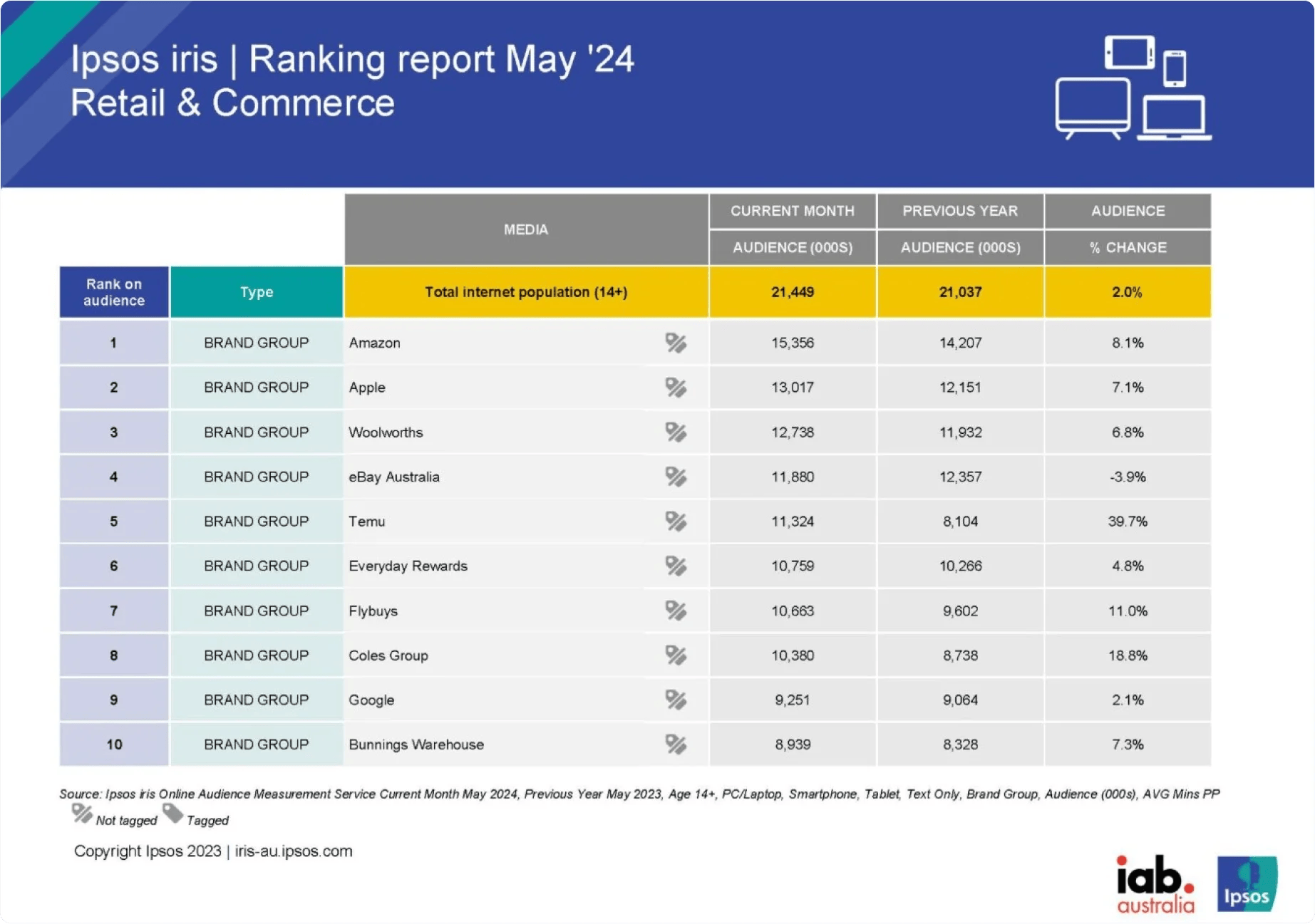
If you’re ready to explore new ways of reaching customers, selling on Temu might be the opportunity you’ve been waiting for.
Let’s go over 5 simple steps to start and manage your Temu store effectively.
The first step is to get access to Temu’s Seller Center. For example, you run a small business selling handmade jewellery. You’ll need to:

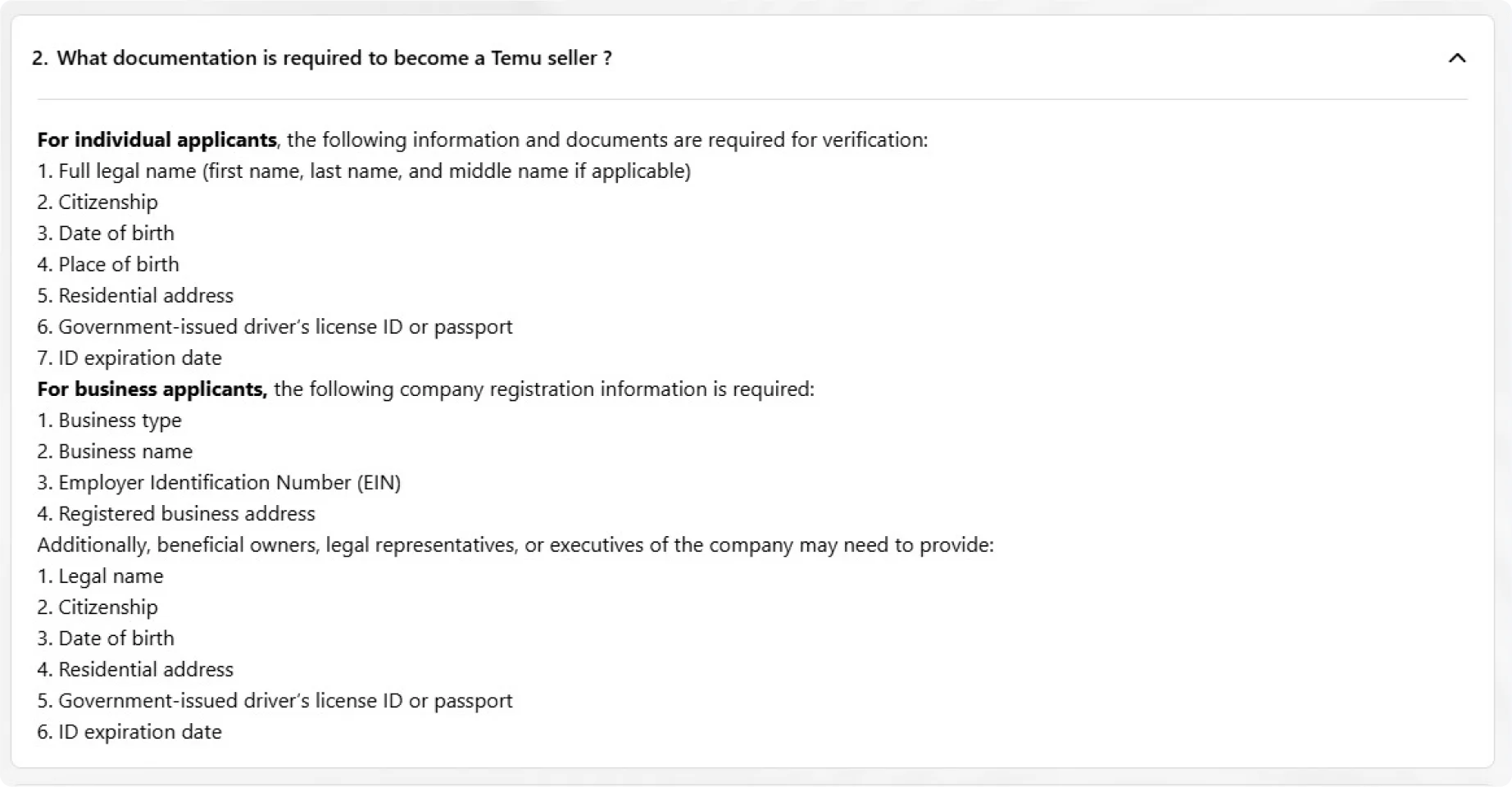
The next step is to be prepared to provide proof of your business credentials. For instance, if you own a registered boutique in Melbourne, you’ll need:
Double-check that your documentation is complete to avoid delays and be ready to start.
Temu provides 4 distinct seller account types for various business needs, making it easier for Australian sellers to find the perfect fit for their operations:
1. Flagship Store: Ideal for established brands that want to build a direct connection with consumers. This account type highlights your brand identity, allowing you to offer a broad product range directly from your brand.
2. Department Flagship Store: Designed for sellers with diverse product categories, this account is a virtual department store catering to various consumer interests.
3. Exclusive Seller: Best suited for businesses with exclusive rights to specific brands or products. This option perfectly showcases unique offerings or partnerships that distinguish you from competitors.
4. Authorised Retailer: For sellers authorised to distribute particular brands or products without exclusive rights, this account type offers a way to leverage brand recognition while selling alongside other channels.
📌 Note: Every account type on Temu has its verification process and specific policies to follow. Picking the account that fits your business model and products simplifies the process and sets you up for success on the platform.
Once approved, it’s time to set up your seller profile. Think of this as the digital storefront that introduces your brand to customers. For example:
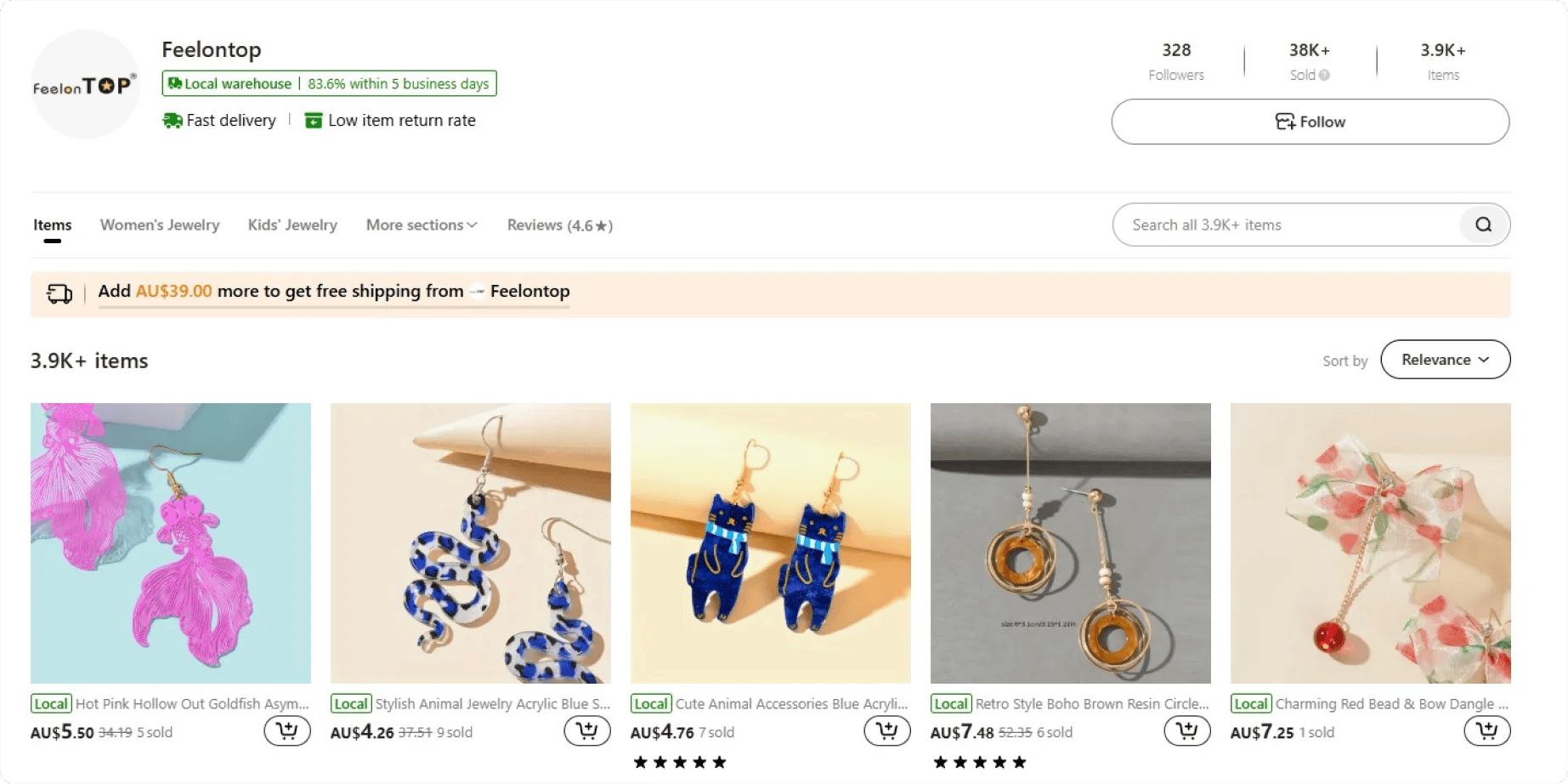
Your product listings are your chance to shine. For example, if you’re selling a pair of handcrafted earrings, consider the following:
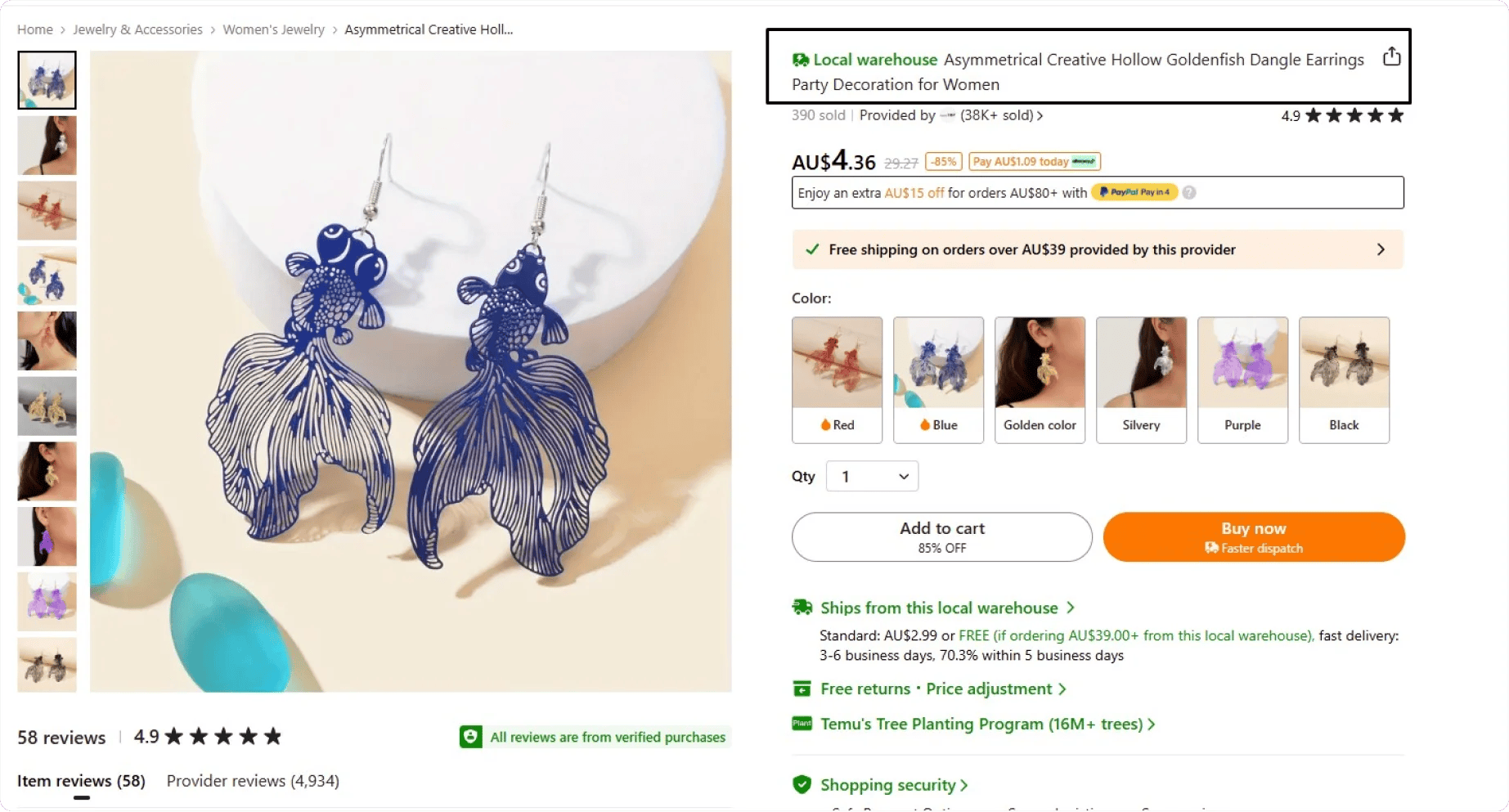
After submitting your listings, Temu’s team will review them. Once approved, they’ll go live, and customers can start discovering your products.
Efficient fulfillment is critical to your success on Temu. Whether you’re new to e-commerce or integrating Temu into your existing system, don’t overlook these steps:
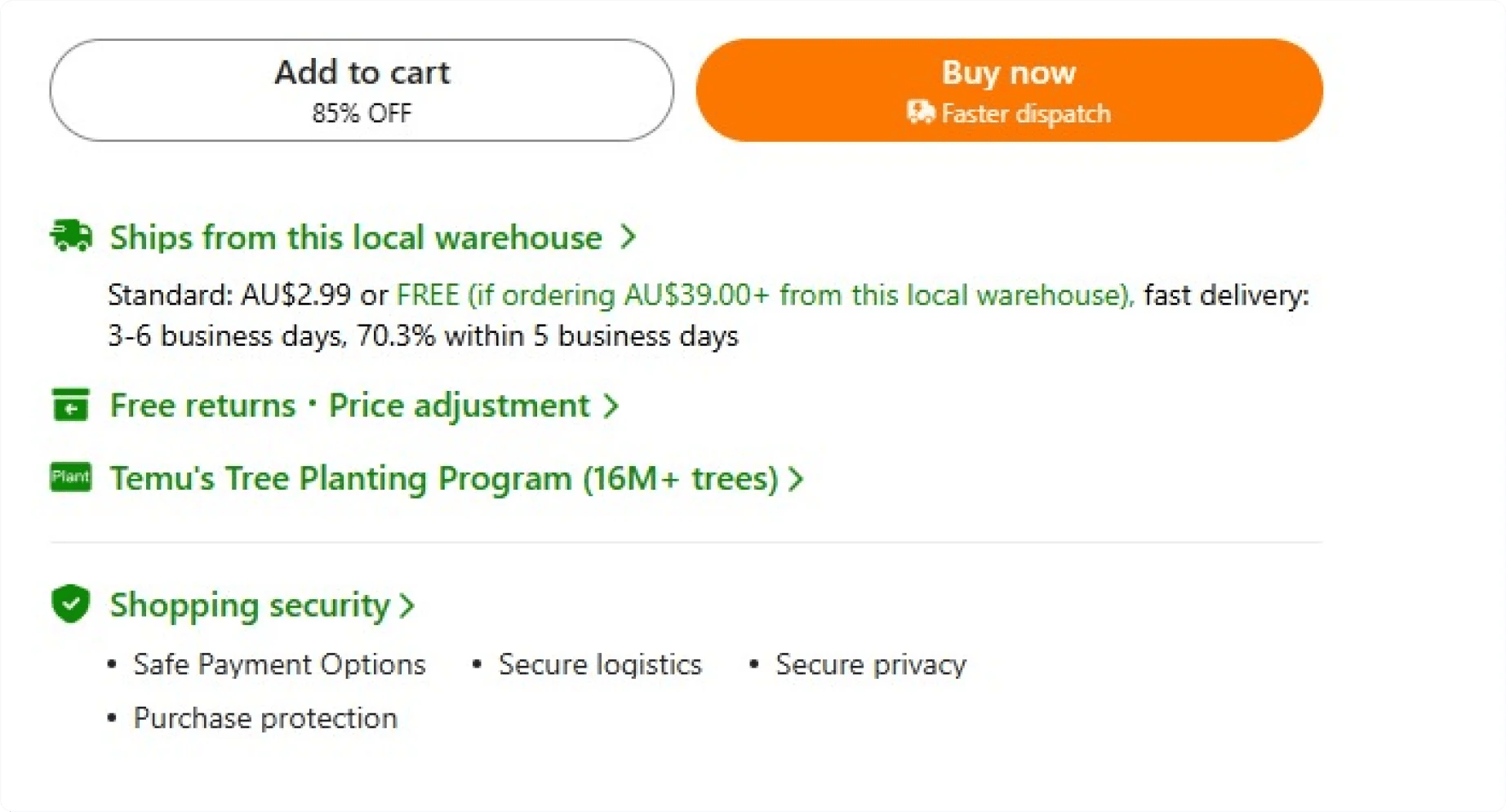
You’ll be the go-to for ordering, shipping, and product questions. How you respond matters – prompt and thoughtful replies show customers you care, build trust and keep them returning. This way, you can earn a ‘’High repeat customers provider’’ badge.
Stay on top of your inventory to avoid stockouts or overselling. Prepare for busy periods by forecasting demand and adjusting stock levels as needed.
If you're looking to sell on Temu in Australia, you should be aware of some key regulations and responsibilities you'll need to follow:
As a seller in Australia, you must comply with local laws and regulations. You might need specific permits or certifications depending on what you're selling.
For example, if you plan to sell cosmetics or food items, there are health and safety regulations that you’ll need to meet.
Temu has specific packaging requirements that you’ll need to follow.
For instance, apparel and accessories should be packaged in clear zipper bags.
Proper packaging is essential not only for protecting your products but also for ensuring customer satisfaction.
As a seller, you will be responsible for managing your store effectively.
This includes providing good customer service, keeping track of your inventory, and fulfilling orders promptly.
You should also prepare for projected sales volumes so that you can meet customer demand without delays.
Additionally, you may need to send samples of your top-rated products to Temu for review.
Temu has strict policies regarding prohibited items. They enforce three levels of restrictions:
📌 Reminder: Always avoid listing counterfeit goods or items that violate intellectual property rights!
When choosing a name for your store, make sure it doesn’t infringe on any trademarks and doesn’t contain exaggerated claims about your products.
Your store name should accurately reflect your business and comply with Temu’s branding policies.
Aim for a high response rate to customer inquiries and a low complaint rate to keep your seller account in good standing. This will help build trust with customers and enhance your reputation on the platform.
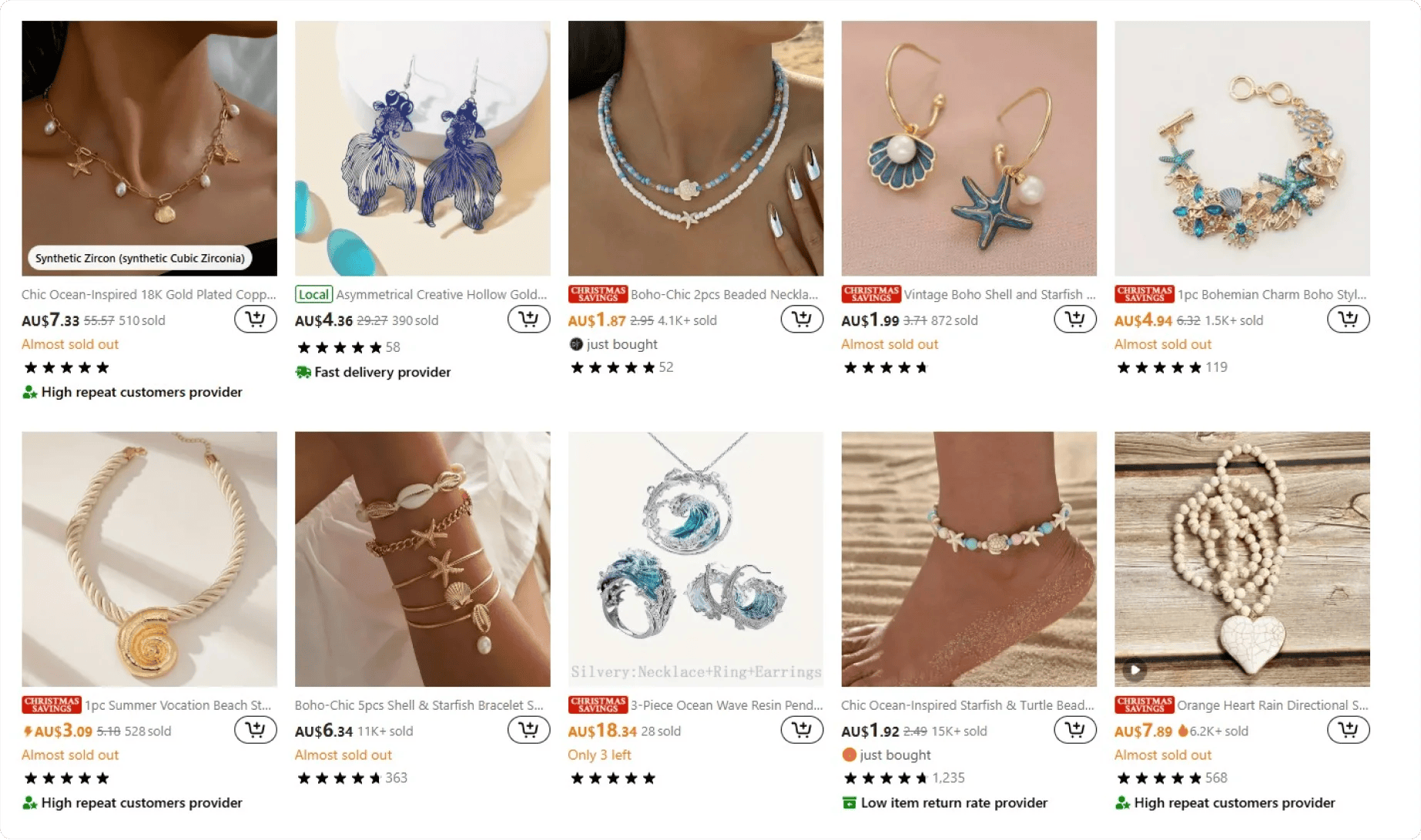
1. Use keywords in listings: If your earrings target "beach lovers," include phrases like "beach-inspired jewellery" in titles and descriptions. This boosts visibility in searches.
2. Watch competitors closely: If a similar store is pricing earrings at $35, consider offering a competitive price with added value, like free shipping.
3. Participate in promotions: Join Temu’s seasonal sales or create limited-time discounts. For example, offer 20% off during summer to attract more customers.
4. Enhance packaging: A handwritten thank-you note in your product box can leave a lasting impression, encouraging repeat business.
5. Analyse sales trends: If your ocean-themed items sell more in summer, plan marketing campaigns and inventory restocking around these trends.
6. Build customer loyalty: Offer a discount code for repeat purchases. For instance, "10% off your next order" can motivate customers to return.
7. Keep listings fresh: Regularly update descriptions and photos. For example, add a summer-themed image during peak seasons to keep your store looking vibrant and relevant.
8. Streamline customer responses: Use a template for common inquiries, like shipping times, to provide quick and consistent answers.
9. Expand thoughtfully: Introduce complementary products. If earrings are a hit, consider adding matching necklaces to increase sales.
ANNA One offers a suite of tools and services that simplify the process of starting, running, and growing your business, making it an excellent resource for Temu sellers in Australia.
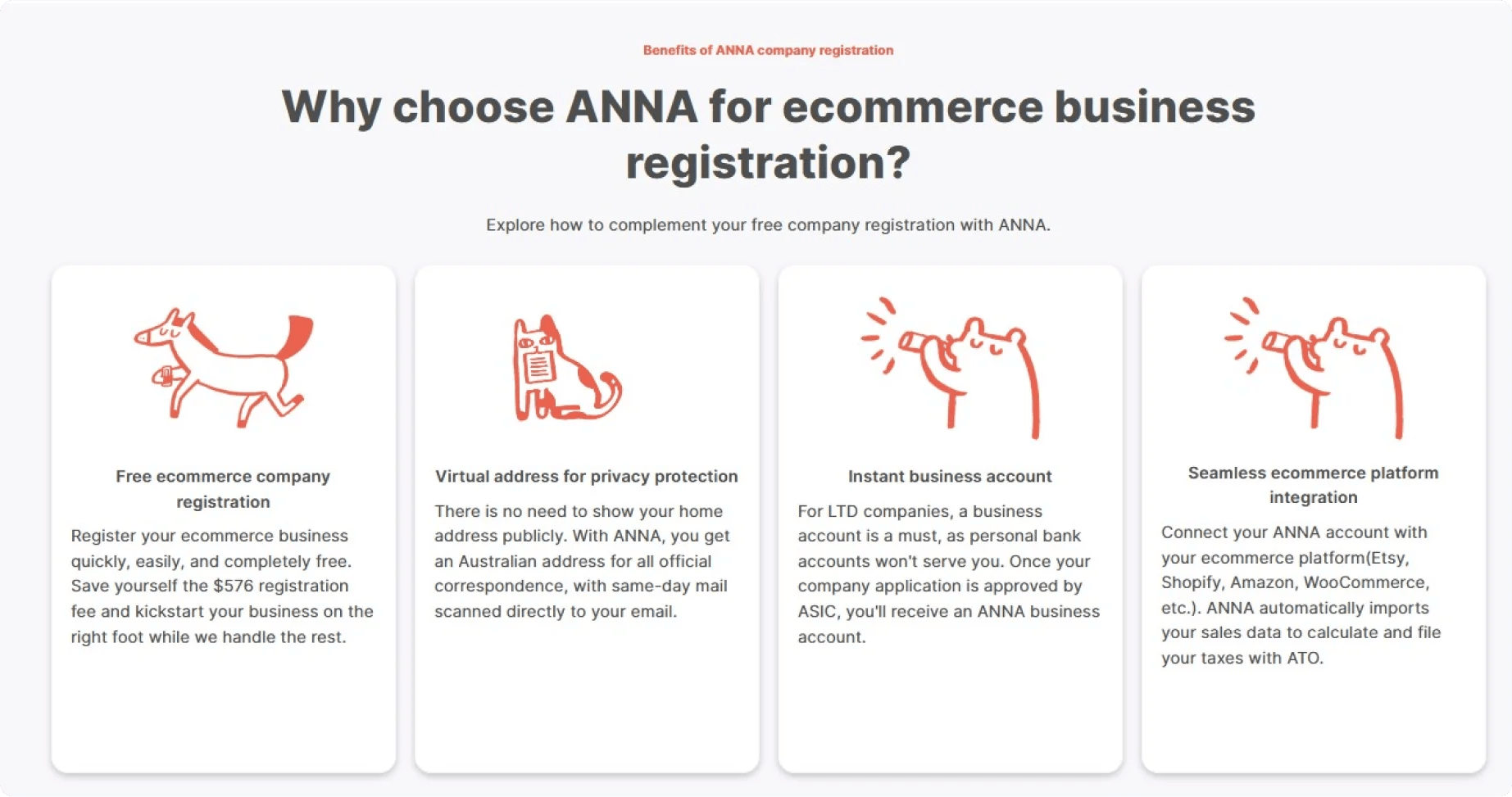
Here's how ANNA can support your journey:
For Temu sellers, ANNA One ensures that you can focus on growing your online store while leaving the complexities of business registration, banking, and tax management to the experts. With everything in one place, ANNA makes it easier to meet your business goals.
Sign up today, and let us handle the rest!
Temu does not charge listing fees; however, each transaction has a commission fee.
The commission typically ranges from 2% to 5%, depending on the product sold.
Remember to review Temu’s fee structure to understand how it applies to your products.
You are responsible for maintaining a reliable system to manage inventory and fulfill orders promptly.
This includes adhering to Temu’s packaging guidelines to ensure your products arrive in excellent condition.
For example, fragile items should be well-protected, and apparel should be packaged in clear zipper bags.
As a seller on Temu, you’ll need to:
Sales payments are deposited into your linked bank account after Temu deducts the applicable commission fees. Double-check that your bank account details are correctly entered in your seller account settings to ensure timely payments.
Register a business with ANNA and sign up for free - ANNA covers the incorporation fee for you
Register a business today
.svg)