
Learn how to start a travel agency in Australia with steps covering planning, legal requirements, marketing strategies, and financial management tips.

Starting a travel agency is a journey that combines a love for travel, a good business sense, and a knack for planning. If you’re thinking about launching a travel agency in 2024, here’s your step-by-step guide – from planning to setting up your first client booking.
To succeed in Australia’s travel industry, it’s essential to grasp the nuances of the market.
Did you know that tourism is thriving, with the sector projected to generate US$15 B by the end of 2024?
With an expected annual growth rate of 2.02% through 2028 and a nearly 10% increase in jobs in 2023, the potential is undeniable.
But how can you stand out in such a booming industry?
The answer is in identifying your niche. What type of travel experience can you offer that speaks directly to a specific audience?
Whether it’s luxury travel, eco-friendly escapes, or adrenaline-pumping adventures, narrowing your focus is key.
Using market research tools, surveys, and industry data, you can pinpoint traveller interests, popular destinations, and budget preferences.
With this knowledge, you can design a brand that not only meets expectations but exceeds them.
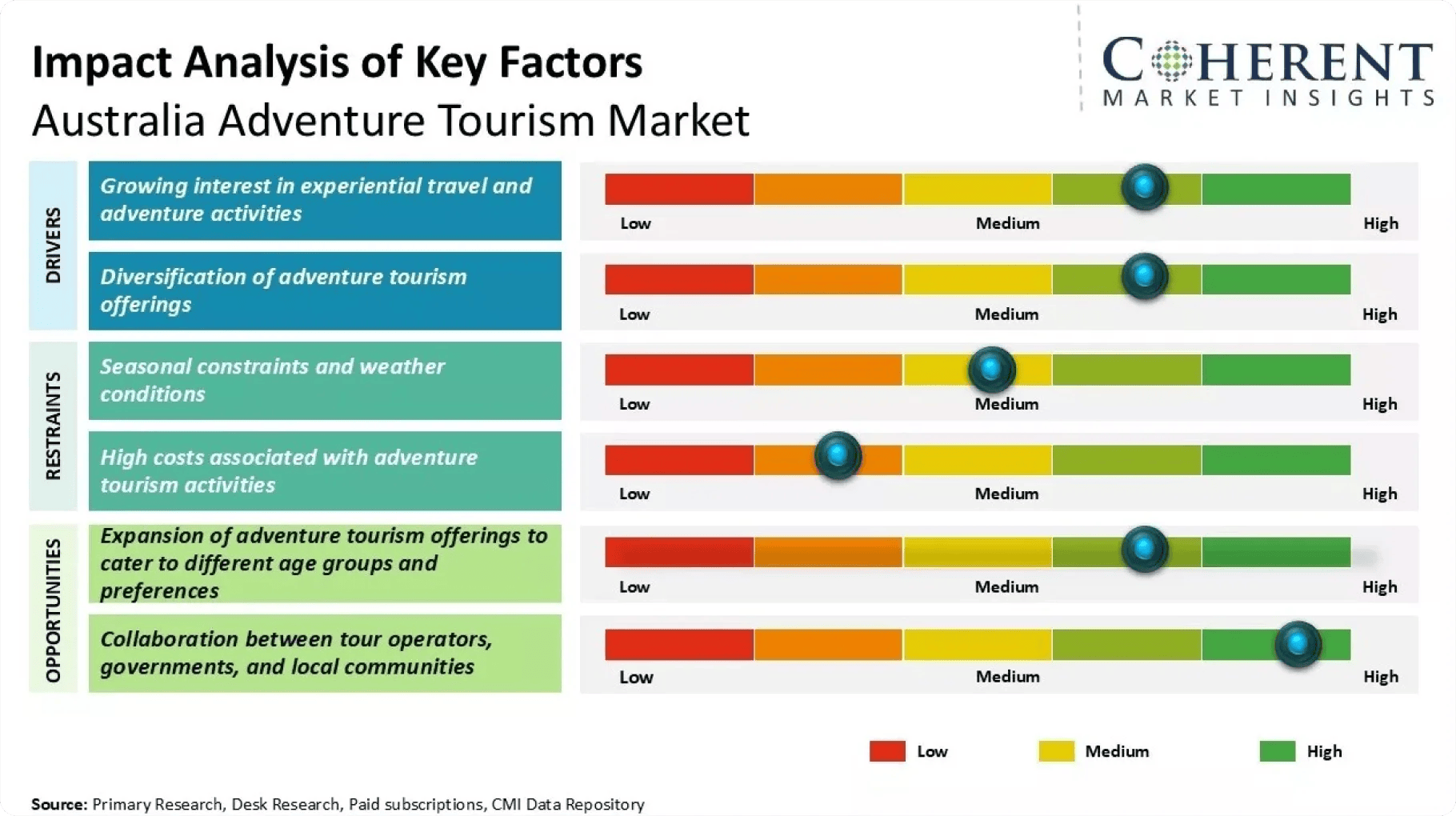
✔️ Do: Consider focusing on underrepresented areas like indigenous cultural tourism or family adventure packages – these unique offerings appeal to specific audiences looking for something different.
❌ Don’t: Avoid trying to be everything to everyone. Niche markets can be profitable and help you develop a loyal customer base.
Every successful travel agency begins with a solid business plan. It is your business’s blueprint, where you’ll outline your goals, market strategies, and operational plans. Here’s what to consider:
A thorough business plan guides your decisions and can impress investors or partners if you seek funding to get your agency off the ground. Here is a quick checklist below:
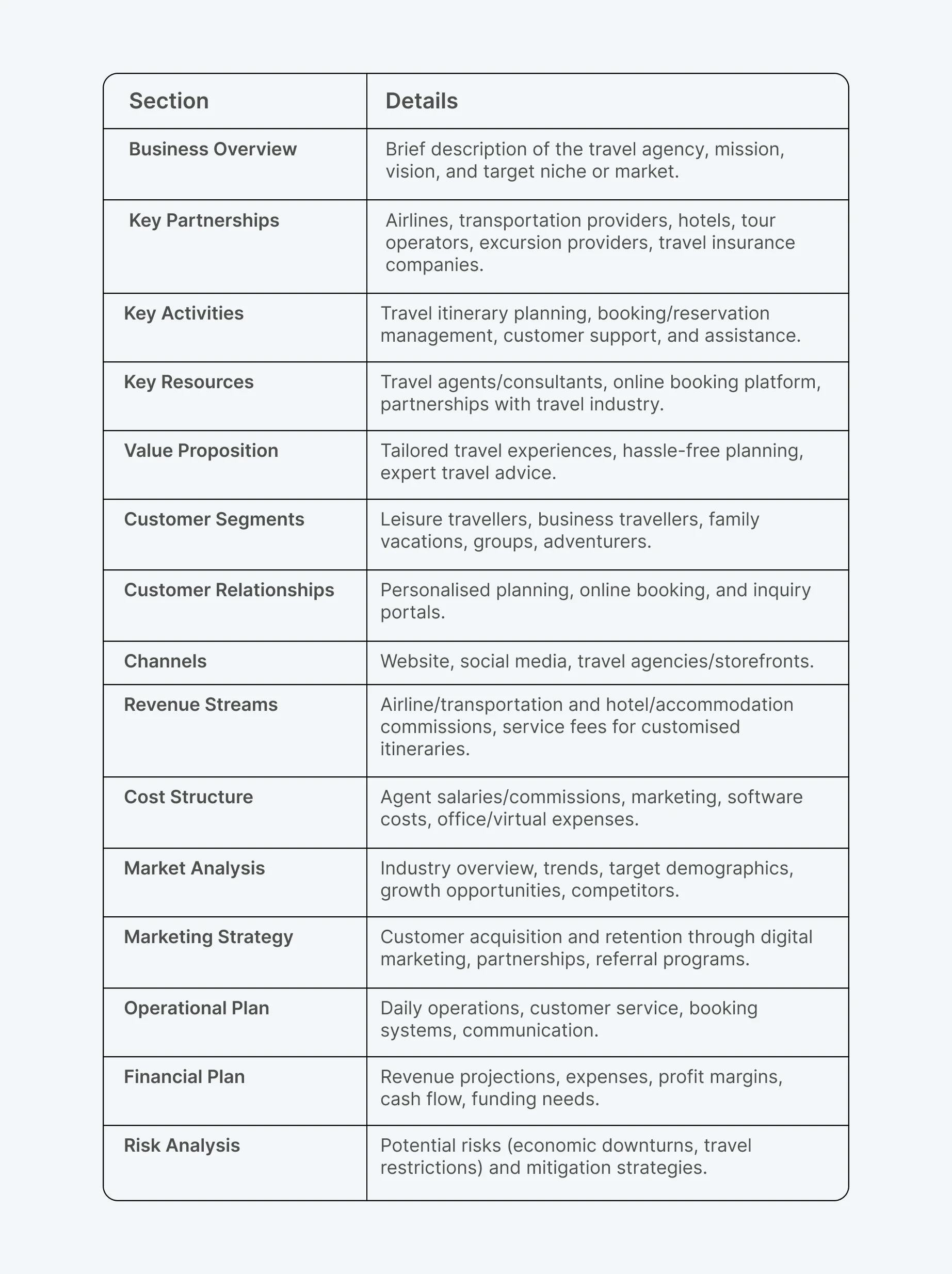
✔️ Do: Set SMART goals (Specific, Measurable, Achievable, Relevant, and Time-bound) for your agency. For example, aim to book 100 clients within your first six months.
❌ Don’t: Skip the financial planning. Running a travel agency involves more than just selling tickets. You’ll also need a clear financial plan to stay profitable, especially during quieter months.
Choosing a business structure impacts your taxes, liability, and operations. In Australia, you generally have four main options:
📌 Tip: If you’re a solo operator, starting as a sole trader is usually easiest, but if you plan to grow, a company structure can offer benefits like limited liability.
Once you’ve decided on a business structure, it’s time to register your agency officially. Here’s what you’ll need:
📌 Tip: Choose a memorable business name that reflects your brand. Catchy names can make a lasting impression, especially if they’re easy to remember and unique.
Using our feature, you can check name availability within seconds!

Now it’s time to establish a workspace that suits your business. Whether you’re working from a physical office or creating a digital-first agency, having the right setup is essential. If you’re opening a physical location, choose a spot that’s accessible and has a professional, welcoming atmosphere.
A few key tools can make all the difference in managing your agency:
1. Booking Systems: Reliable booking software allows you to handle client reservations seamlessly, ensuring every detail is in place for each booking. This software can save you time and reduce the chance of errors, helping you keep clients satisfied.
2. Customer Relationship Management (CRM) Software: A CRM system is invaluable for managing client interactions and tracking preferences, making it easier to personalise experiences and provide exceptional service. In the travel industry, knowing your clients’ preferences is key to building loyalty and encouraging repeat business.
3. Accounting System: An accounting system will help you keep track of finances, manage expenses, and generate invoices for clients. Look for software that integrates with your booking system for streamlined record-keeping and financial reporting.
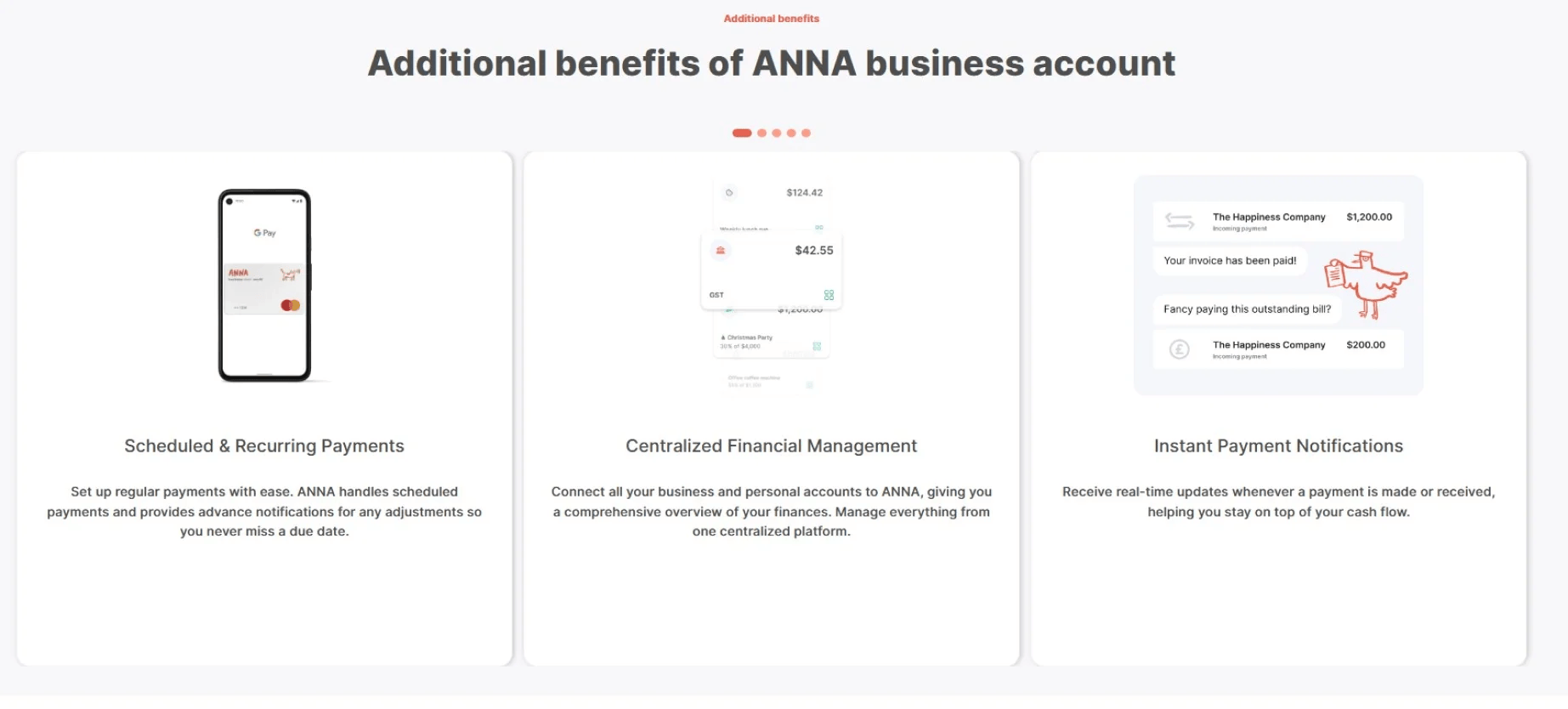
4. Business Banking Account: A dedicated business banking account is essential for keeping your agency’s finances separate from personal funds. This makes it easier to track income, manage expenses, and streamline accounting processes. It also looks more professional and simplifies things when it comes to tax reporting.
💡 Pro Tip: ANNA offers a fee-free business account with additional perks like centralised financial management, digital receipts automatisation, tax management, virtual office address, and much more – all at the reach of your fingertips!
You’ll need to establish relationships with airlines, hotels, and other travel providers to offer competitive deals and unique packages.
These partnerships enable you to secure better rates and exclusive offers for your clients, making your agency stand out.
Reaching out to suppliers and negotiating deals early on will let you deliver a range of options at different price points suitable for various travel styles and budgets.
With your services ready, it’s time to attract customers. Start by building a professional website where clients can explore your services and contact you easily.
Make sure your site is user-friendly, mobile-compatible, and informative.
Social media platforms like Instagram, Facebook, TikTok, and LinkedIn are excellent for showcasing destinations, promotions, and client testimonials.
Here’s how to make an impact:
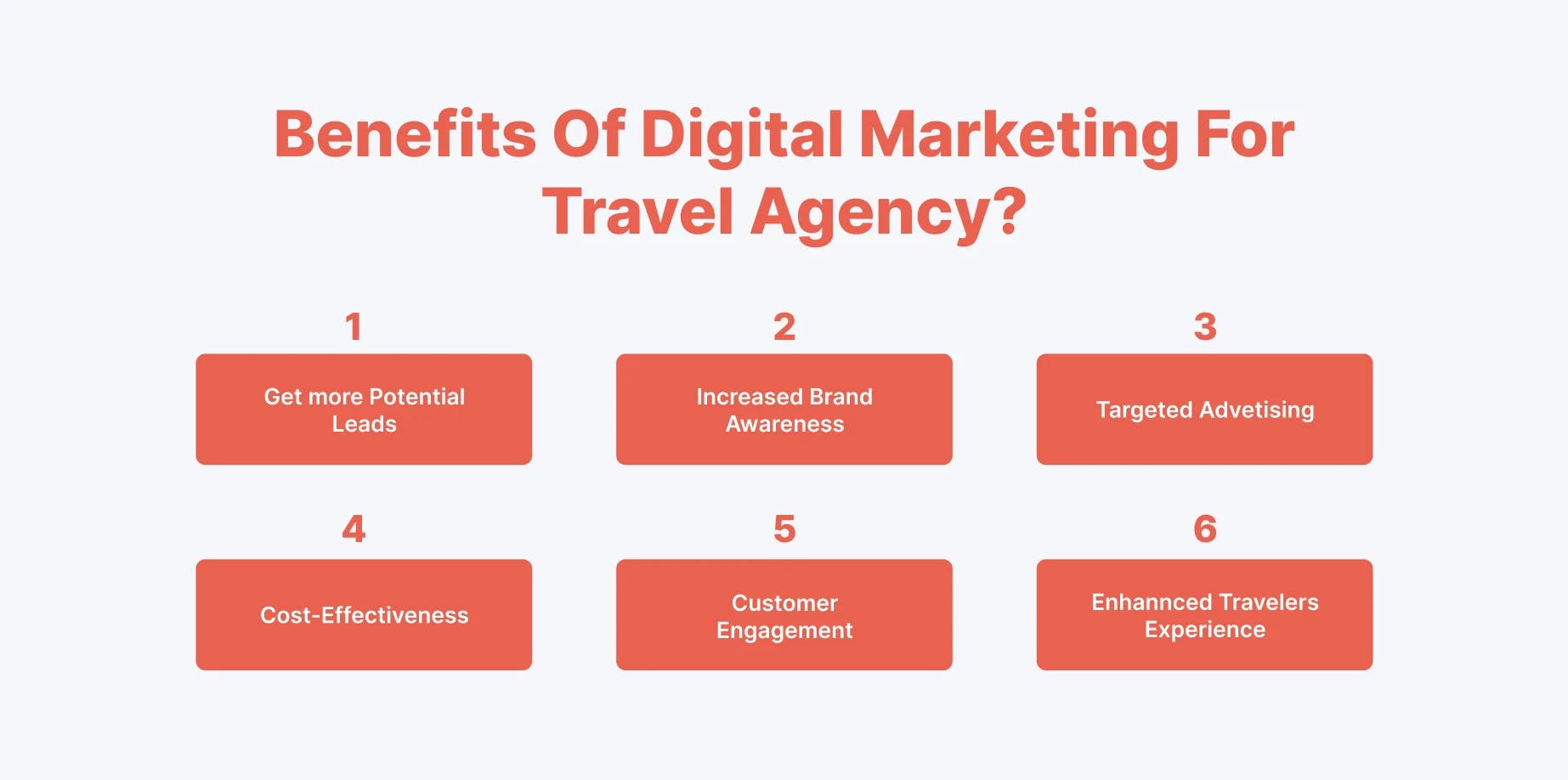
📌 Tip: Create a blog on your website with travel tips, destination guides, and insider info. It establishes you as an expert and can improve your website’s SEO.
In the travel industry, consumer protection laws are essential for ensuring transparency and trust. Familiarise yourself with the Australian Consumer Law (ACL), which mandates that businesses provide accurate information and fair pricing.
Here’s what to keep in mind:
✔️ Do: Create a clear and fair cancellation policy. Travel is unpredictable, and clients will appreciate flexibility.
❌ Don’t: Exaggerate descriptions or post misleading images. Authenticity is key to building a positive reputation.
While accreditation isn’t mandatory, it can be a mark of professionalism that reassures clients. The AFTA Travel Accreditation Scheme (ATAS) is a trusted credential in the industry, showing clients that you meet recognised standards.
Accreditation can also help you stand out, particularly with clients who prioritise safety and reliability.
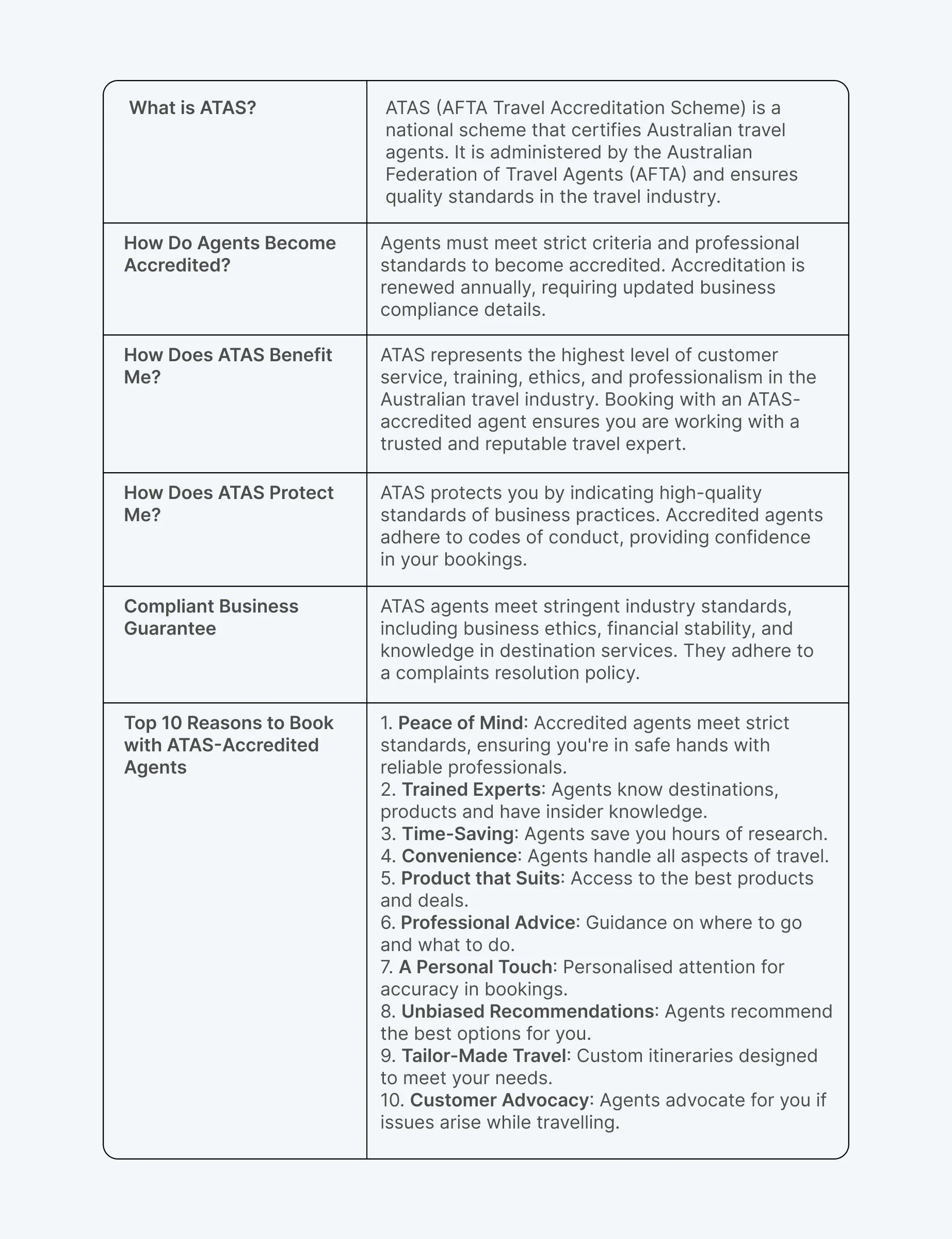
📌 Tip: Display accreditation badges on your website and marketing materials to give clients peace of mind. Accredited agencies often see an increase in bookings because clients feel reassured about the agency’s professionalism.
Travel is inherently unpredictable, so insurance is not something you should overlook. Consider policies like:
✔️ Do: Review your insurance policy annually as your agency grows. Coverage that’s right for a new business might need updating as you expand.
❌ Don’t: Rely on general business insurance. Travel agencies often need specific coverage for unique risks.
To stay competitive and build a loyal customer base, here are a few extra tips:
At its heart, a travel agency is more than a business. It is a bridge to exploration, adventure, and unforgettable memories. So, as you launch your agency, remember that you’re not just opening a business – you’re opening doors to the world for your clients, helping them experience the joy of travel, just as you dreamed when you first set out on this journey.
And if you need a helping hand, ANNA is here to support you!
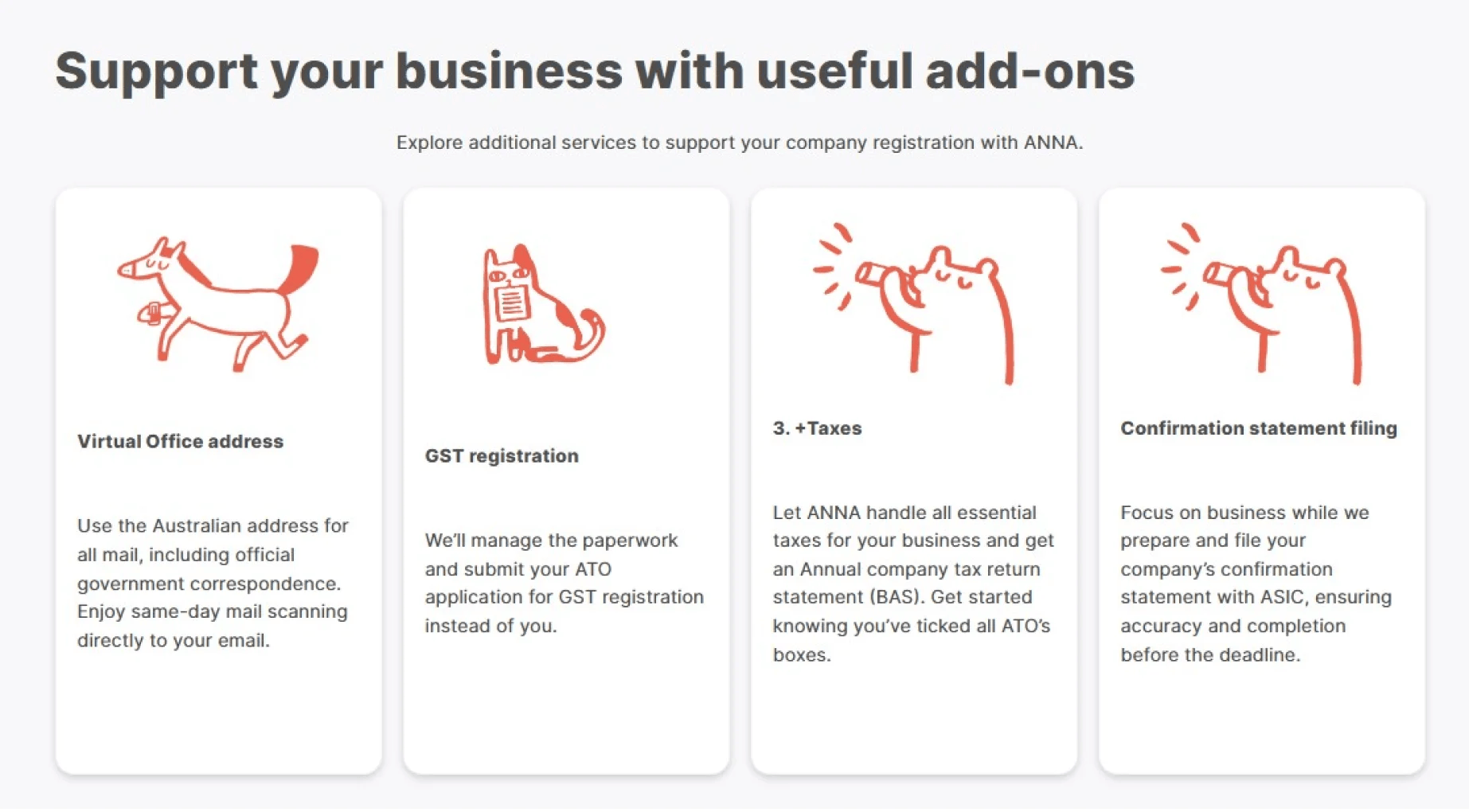
From free company registration with ASIC to a business account that handles bookkeeping, invoicing, GST, and tax filings, ANNA simplifies the process of starting and running your travel agency.
You’ll save time, reduce stress, and stay on top of your finances with tools like automated expense sorting, a personalised tax calendar, and professional invoice management.
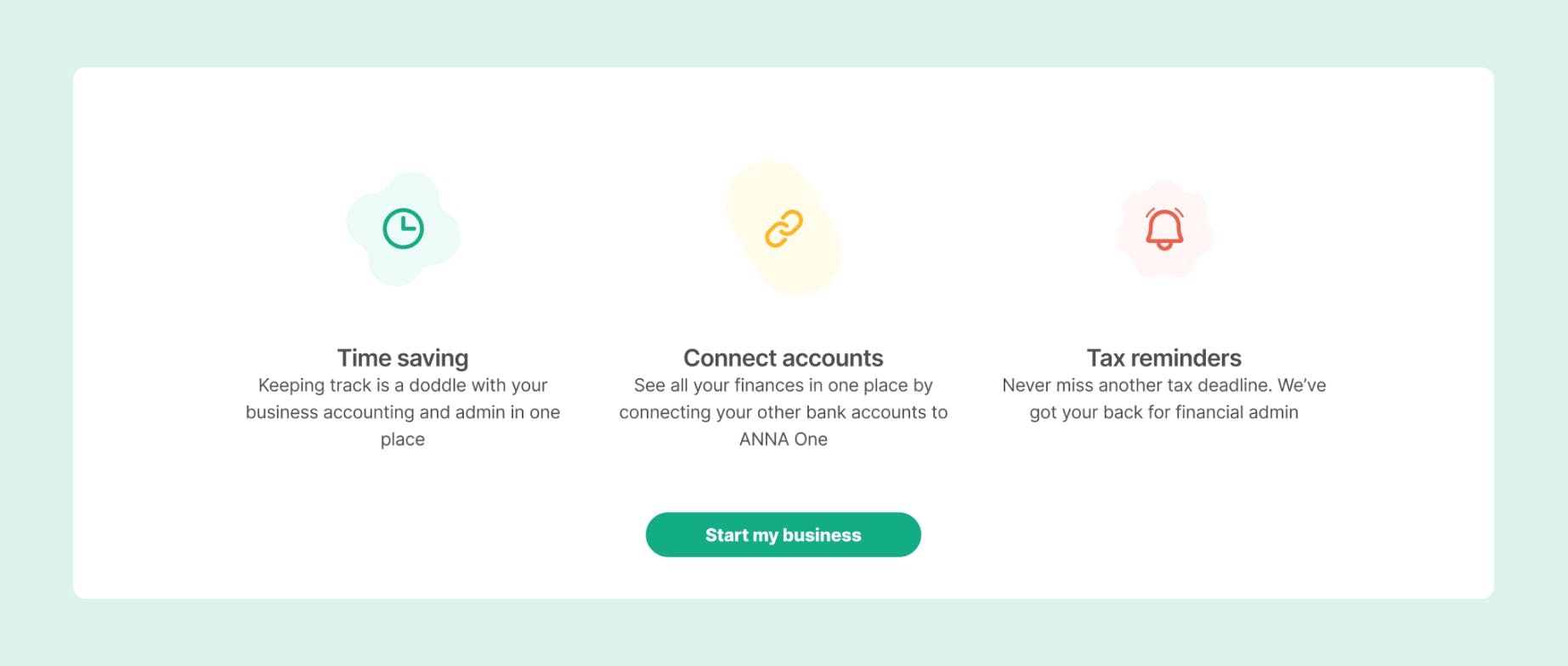
Why wait? Get started with ANNA One today and turn your travel agency dreams into reality. Click here to register your business and open your account now!
Register a business with ANNA and sign up for free - ANNA covers the incorporation fee for you
Register a business today
.svg)